The two-step system
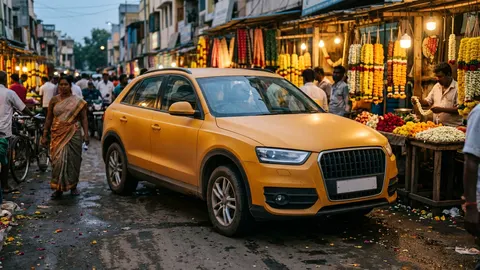
India licenses drivers in two stages. The Learner's Licence (LL) comes first: apply on the Sarathi portal (parivahan.gov.in), upload identity/address/age proof and complete the medical declaration (Form 1A medical certificate applies for transport categories and older applicants), pay the fee, and take the online LL test — objective questions on signs, rules and duties, drawn from a published bank; many states now allow taking it from home with Aadhaar authentication. The LL is valid six months, and the law requires you to hold it at least 30 days before taking the driving test.
Learner rules are strict on paper: prominent 'L' plates, and a fully licensed supervisor when driving a car. Treat them as real — violations surface exactly when something goes wrong.
The driving test — and the route around it
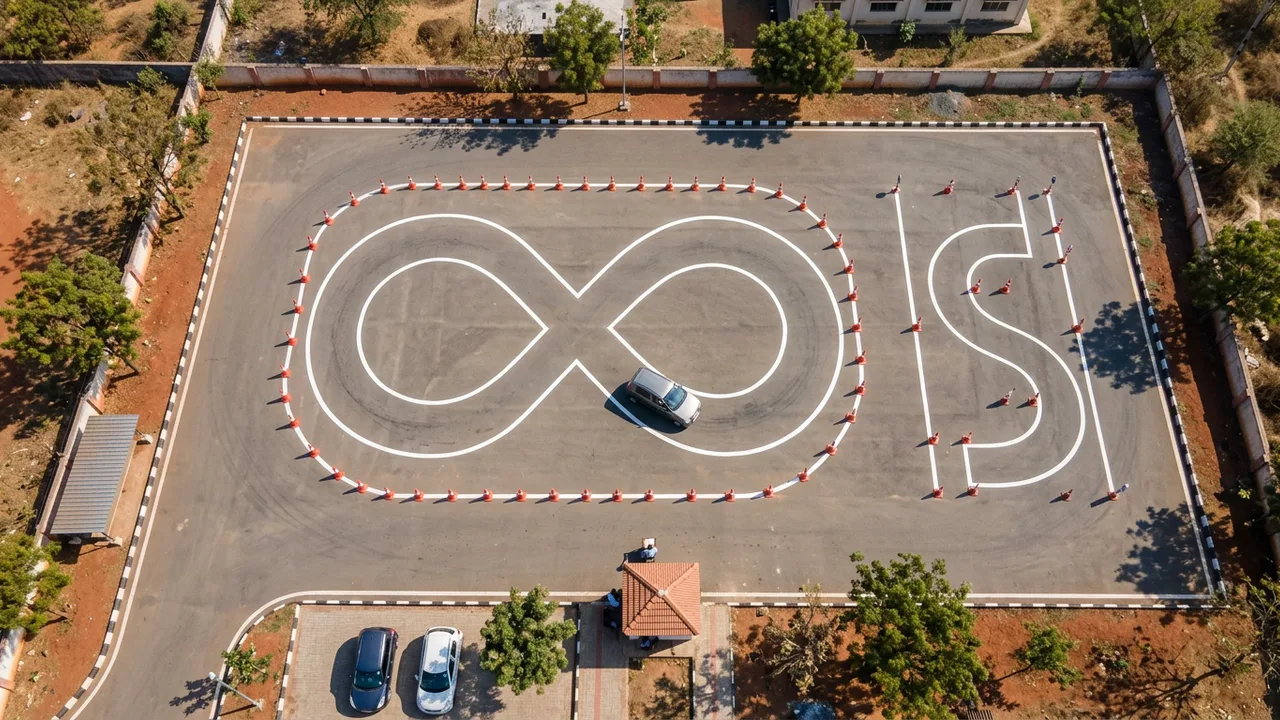
The Driving Licence (DL) test at the RTO is short and specific: typically the forward-8 (figure-eight without footing/stalling for two-wheelers, clean lines for cars), reversing — often into a marked S or parking bay — stop-and-start on a slope without rollback, and basic road-manners observation. Failures cluster on the reverse-S and the slope. You book the slot on Sarathi, bring the LL and documents, and states increasingly run automated, camera-scored test tracks where sensor lines, not an inspector's mood, decide.
The structural alternative: training at an Accredited Driver Training Centre (AEDC) — the government-recognised schools whose completed course, under the current framework, exempts you from the RTO driving test for the corresponding class. Where a good AEDC operates nearby, it converts an unpredictable test day into a curriculum.
After the pass
The DL arrives as a card and — practically more important — digitally: keep it in DigiLocker or mParivahan, which police must accept as valid. Private-vehicle DLs run long validities (renewal windows tighten after 40 with medical requirements); transport categories renew more often. Address changes, duplicates and renewals all run through Sarathi now — the agent-and-queue era is genuinely optional in most states.
The questions applicants actually ask
Can I really skip the RTO test? Via an accredited AEDC course, yes, for the class trained. Verify the centre's accreditation status before paying — "recognised" claims vary.
What fails people at the track? The reverse-S and slope rollback, overwhelmingly. Practise both in the actual test-track geometry if the RTO allows public viewing days.
Is the home LL test legitimate? In states that enable Aadhaar-authenticated testing, fully. Anti-cheating rules apply; failed attempts have cooldowns.
Key takeaways
- LL first (online test, 6-month validity); DL test only after 30 days
- Sarathi portal handles applications, slots, renewals — skip the agents
- Test = forward-8, reverse-S, slope start; automated tracks are spreading
- Accredited AEDC training can exempt the RTO driving test entirely
- Carry the DL in DigiLocker/mParivahan — legally valid nationwide
Sources & further reading
- Motor Vehicles Act framework and CMVR
- Sarathi/Parivahan portal documentation
- AEDC accreditation rules
Figures, prices and policy details were current at the last-updated date above. Automotive pricing, incentives and regulations change frequently — verify time-sensitive details against the primary sources listed below. Read our editorial policy and fact-checking standards.