🔧 SEASONAL GUIDANCE. General advice; follow your vehicle's manual for specifics.
⚠️ Contains safety guidance on driving in standing water. Please read that section.
Do this before, not during
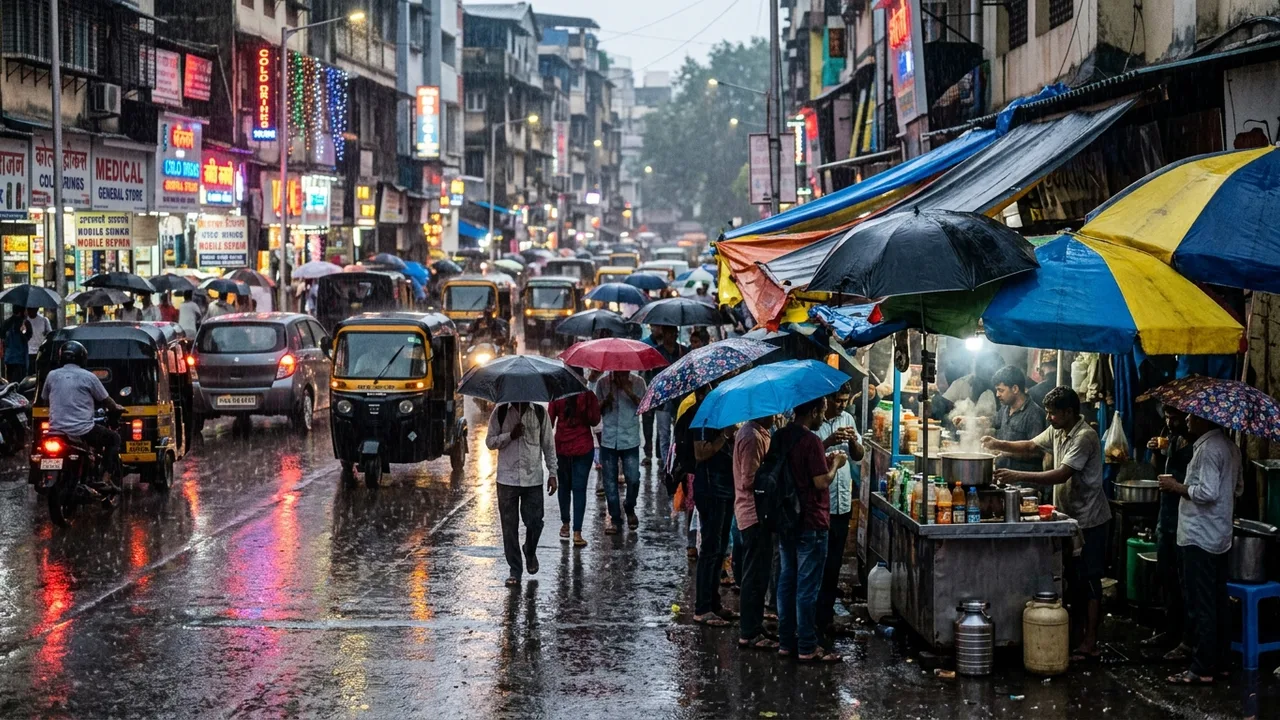
Monsoon is the hardest environmental test an Indian car faces, and almost every problem it causes is easier to prevent than to fix.
This is the pre-season checklist, ordered by what matters most.
⭐ 1. Tyres — the single most important check
Tyres matter more in the wet than anything else on the car.
As our braking testing established, tyres dominate stopping distance more than any other factor — and in the wet, tread depth determines whether water is cleared from the contact patch at all.
Check:
Tread depth across the full width. Worn tyres aquaplane at dramatically lower speeds. Do not enter monsoon on marginal tyres.
Pressures, set to the manufacturer's specification. Under-inflated tyres aquaplane sooner.
Uneven wear, which indicates alignment or suspension issues worth fixing before the season.
Age and condition — cracking, bulges, damage.
If you do one thing from this list, do this one.
2. Brakes
Wet conditions demand more from brakes, and monsoon accelerates corrosion.
Check pad thickness and disc condition.
⭐ And brake fluid. As our Ghats brake-fade test explained, brake fluid absorbs moisture over time, which lowers its boiling point and causes fluid fade — the dangerous kind, where the pedal goes soft. Humidity accelerates absorption. Replace at the specified interval.
3. Wipers, washers and visibility
Replace wiper blades before the season, not after they start smearing. They're inexpensive and they're your visibility.
Top up washer fluid and check the jets.
Check the demister and air conditioning, because in Indian monsoon humidity you will need AC to demist — that's what actually clears an interior-fogged windscreen, not heat.
Clean the inside of the glass. Interior film makes fogging dramatically worse, and most people never do it.
4. Lights and electrics
Check every light, including indicators, brake lights and reversing lights. Visibility in heavy rain is genuinely poor, and being seen matters.
Check for moisture ingress in light units — as our flood-damage investigation noted, moisture inside a light unit is a warning sign.
Inspect exposed wiring and connectors for corrosion.
Check the battery, since damp weather exposes weak batteries.
5. Seals, drains and underbody
⭐ Clear the drain channels. Sunroofs, door bottoms, boot channels and the plenum below the windscreen all have drains, and blocked drains are how water gets inside a car.
This is the check almost nobody does, and it prevents the damp-carpet problems that follow.
Check door and boot seals for perishing.
Underbody — inspect for corrosion, particularly if you've driven through salt or standing water.
6. Paint and protection
Wash off accumulated grime before the season, since contaminants trap moisture.
A wax or sealant genuinely helps water sheet off. As our detailing coverage established, this is a legitimate and modest benefit — and correct washing technique matters more than any product.
⭐ 7. Insurance — do this now
As our insurance add-ons piece argued, this is the one to check before monsoon rather than during:
Standard comprehensive cover typically excludes consequential damage — including hydrostatic lock from water ingress.
Engine protection cover addresses precisely that, and if you live in a flood-prone or heavy-monsoon area, it is the add-on that matters most.
Check your policy now. Adding cover after water enters your engine is not an option.
⚠️ Driving in standing water — the guidance that matters
This section is not optional.
Know your vehicle's wading depth. It's in the manual, most owners have never looked, and it should be treated as an absolute limit rather than a target.
Never drive into water of unknown depth.
⭐ If water reaches the door sills, stop. Turn around. No journey is worth it. The risk isn't only the powertrain — it's flooding the cabin, damaging electronics, and being stranded in rising water.
If you must cross shallow water: go slowly, in a low gear, maintaining steady engine speed, and don't stop mid-crossing.
⚠️ If the engine stops in water, do not attempt to restart it. Attempting to start an engine that has drawn in water is how a recoverable situation becomes a destroyed engine.
After any deep-water driving, have the vehicle inspected — even if nothing seems wrong. As our flood-damage investigation established, water damage is progressive and surfaces weeks later.
And for EVs specifically: as our monsoon report explained, battery packs are sealed and rated for water ingress, and an EV has no air intake to hydrolock. Normal monsoon driving is routine. Deep standing water remains dangerous for any vehicle.
The bottom line
Do this before the season. Tyres first — they matter more in the wet than anything else, and as our braking testing found, they dominate stopping distance.
Then brakes and fluid, wipers and demisting, lights and electrics, and — the check nobody does — clear your drain channels.
⭐ Check your insurance now, because standard cover typically excludes water-ingress engine damage and engine protect is the add-on that matters most in monsoon regions.
And the rule that matters above all: if water reaches the sills, stop. Know your wading depth, never enter water of unknown depth, and never try to restart an engine that stopped in water.
Key takeaways
- ⭐ Tyres first — they dominate stopping distance, and worn tread aquaplanes at dramatically lower speeds. Don't enter monsoon on marginal tyres
- Brake fluid absorbs moisture, which lowers its boiling point and causes the dangerous kind of fade. Humidity accelerates it
- Clear your drain channels — sunroof, doors, boot and windscreen plenum. Blocked drains are how water gets inside a car
- ⭐ Check insurance BEFORE monsoon: standard cover typically excludes hydrostatic lock, and engine protect is the add-on that matters most
- If water reaches the door sills, stop. Never enter water of unknown depth, and never attempt to restart an engine that stopped in water