Heat is the quiet killer
Winter gets the breakdown folklore; in India, heat does the actual damage. A car parked in May sun reaches cabin temperatures beyond 60°C, under-bonnet temperatures soar, and the failure list writes itself: batteries (heat accelerates the chemistry that kills them — hot-climate batteries age faster than cold-climate ones), cooling systems finally asked to work at their limits, tyres flexing on 55°C tarmac, and rubber-and-plastic everything ageing in fast-forward.
The pre-summer checklist
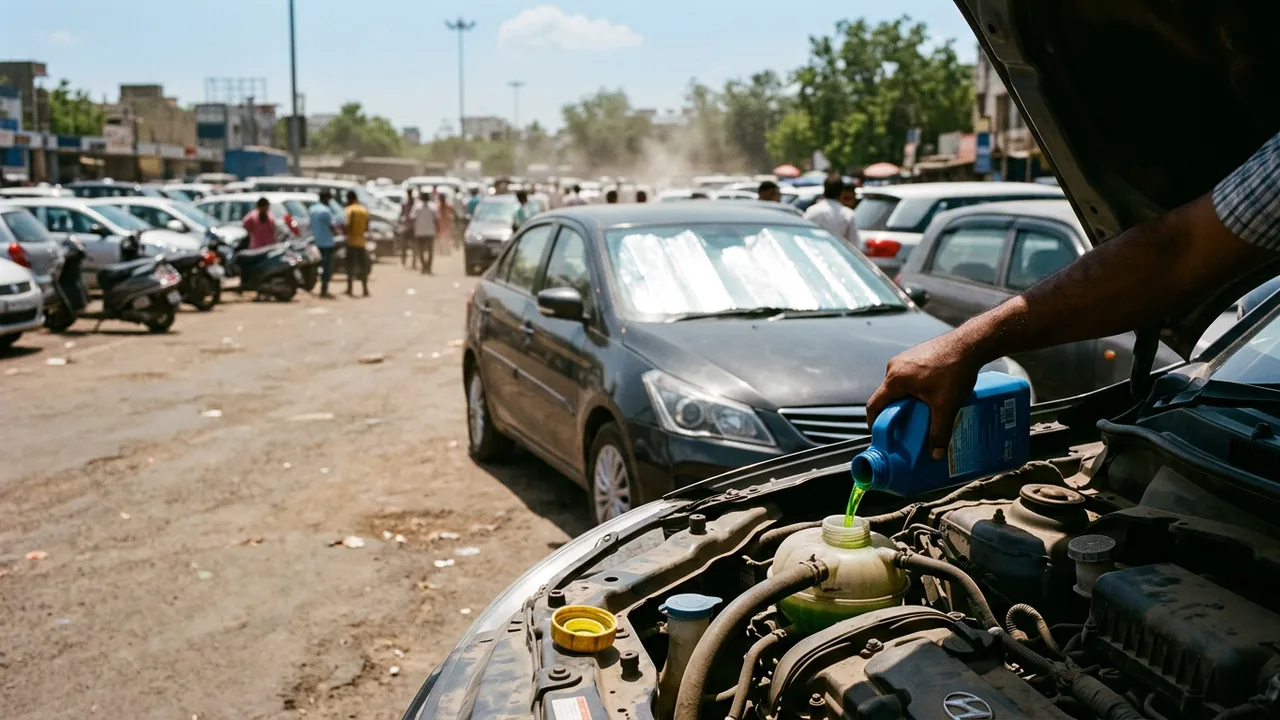
Cooling system first: coolant level and condition (correct spec and mixture, not topped-up water — plain water boils sooner and corrodes), radiator and condenser fins cleared of the dust-and-lint blanket Indian summers weave, fans spinning up properly, and any weep or crust on hoses treated as the warning it is. An engine that runs slightly warm in March overheats in a May jam.
Battery: get it tested before summer — the counterintuitive season logic is that heat quietly cooks batteries all summer and the death certificate gets signed the following winter, or in a June traffic jam with the AC at full. Terminals clean, hold-downs tight (vibration + heat is the killer combo).
Tyres: pressures set cold, to the placard — underinflation is the blowout recipe on hot highways as flex builds heat in the carcass; check the spare, and read date codes because heat is exactly what ages rubber. Wipers and washer fluid matter more than expected: the first pre-monsoon dust-storm-plus-drizzle smear is a genuine hazard.
Living with the furnace
Park nose-out in shade where it exists; use a windscreen sunshade (it genuinely drops cabin peaks); crack windows a finger's width where secure. The AC craft: vent the furnace first — open doors/windows for thirty seconds, drive off with windows down for a minute then close and let the AC work on moving air; recirculation mode once cool; and service the AC (gas pressure, cabin filter) before peak season, because a filter clogged with winter's dust halves cooling just when you need doubling. Never leave children, pets, aerosol cans, lighters or electronics in a parked summer car — the cabin is an oven and behaves like one.
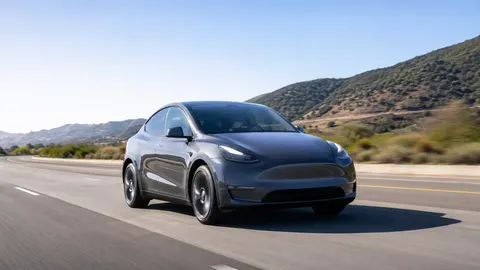
EV owners: heat is the battery's enemy more than cold — prefer shaded/covered parking, charge in cooler hours where possible, avoid rapid-charging a heat-soaked pack repeatedly, and expect the car's thermal management to spend range on self-defence during heatwaves.
The questions owners actually ask
Does coolant really need replacing if the level's fine? Yes — corrosion inhibitors deplete over years; level measures quantity, not capability. Follow the interval.
AC weak only in traffic? Classic condenser-airflow story: blocked fins or a lazy fan. Clean and test before paying for a gas top-up you may not need.
Are tyre "nitrogen fills" essential in summer? Nice-to-have stability, not a substitute for simply checking pressures cold and often.
Key takeaways
- Heat kills batteries faster than cold — test before summer, not after
- Coolant condition and clean radiator/condenser fins prevent the May overheat
- Cold-set placard pressures prevent hot-highway blowouts; check the spare's date code
- Vent-then-cool AC craft plus a serviced cabin filter transforms cooling
- EVs: shade, cooler-hour charging, gentle rapid-charging in heatwaves
Sources & further reading
- Hot-climate battery-ageing data
- tyre-industry heat guidance
- AC service practice
- EV thermal-management manufacturer guidance
Figures, prices and policy details were current at the last-updated date above. Automotive pricing, incentives and regulations change frequently — verify time-sensitive details against the primary sources listed below. Read our editorial policy and fact-checking standards.