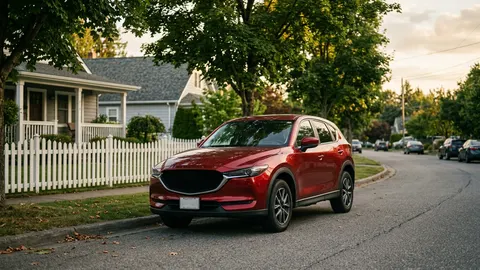
A market hiding in plain sight
Private registrations are one of Britain's stranger asset classes: the DVLA has sold millions of them, dealers run an active secondary market, and the rarest dateless plates change hands for more than the cars they sit on. Yet the mechanics — what you own, how transfers work, what's illegal — remain widely misunderstood.
First principle: you never own a number plate. You buy the right to assign a registration mark to a vehicle. The mark remains Crown property administered by the DVLA; your certificate is an entitlement, not a deed.
What plates cost — and why
DVLA direct. New-issue personalised marks start around £250 including VAT and assignment fee, bought straight from the DVLA's sales site. Current-style marks (two letters, two numbers, three letters) are the affordable end.
DVLA auctions. Held through the year for more desirable combinations — short marks, names, initials. Guide prices start in the hundreds; hammer prices for good names routinely reach five figures.
The secondary market. Dealers and private sellers trade previously issued marks. This is where dateless plates — the pre-1963 format with no year identifier, like "1 ABC" — command the serious money. Their appeal is practical as well as vain: a dateless plate discloses nothing about a car's age.
Value drivers are consistent: shorter is dearer, initials and names carry premiums, and exact-word or number "1" plates sit at the top. Treat investment claims sceptically — the market is illiquid and dealer margins are wide.
The paperwork, step by step
Two documents run the whole system:
- V750 (Certificate of Entitlement): you bought a never-issued mark
- V778 (Retention Document): you hold a mark taken off a vehicle
Assigning to your car is now a ten-minute online job on the DVLA site with the certificate and the V5C log book. Assignment is free if the entitlement is current; the V5C reissues in your name with the new mark, and you must have plates physically made up by a registered supplier (which requires ID and proof of entitlement — that's why you can't just order plates from a photo).
Taking a mark off a car (to sell the car, keep the plate) costs £80 online via the retention process. The car reverts to its original registration automatically. Do this before advertising the car; a sold car takes the mark with it unless you've retained first, and recovering a mark from a new keeper depends entirely on their goodwill.
Certificates last ten years and renew free — but an expired certificate can mean losing the mark, so diarise it.
The rules that actually catch people
- You cannot make a vehicle look newer than it is. Assigning a "24"-year mark to a 2019 car is prohibited; the system blocks it. Older marks on newer cars are fine — that's the whole dateless appeal.
- Plate format is law, not preference. Mandated typeface, spacing, size, colours and (for new plates) BS AU 145e standard. Rearranged spacing, italic fonts, decorative bolts and tinted covers are offences: up to £1,000 fine and an MOT failure, and persistent misrepresentation can see the mark withdrawn.
- Tell your insurer. A registration change is a policy detail; an unreported mark has caused genuine claims friction.
- Q-plates and some categories can't carry private marks, and a mark can't move onto a vehicle registered before it existed.
Buying second-hand: the checks
Buy the entitlement, not a promise: verify the seller holds a valid V750/V778 in their name, match the certificate number with the DVLA before paying, and prefer dealers who are members of a recognised trade body with escrow-style handling. The classic scam is selling a mark still assigned to a car the seller doesn't control.
The questions buyers actually ask
Do private plates affect insurance? The premium impact is usually nil, but the notification duty isn't optional — and after a total loss, tell the insurer you intend to keep the mark before they scrap the car, or reclaiming it becomes a paperwork siege.
Can I put my plate on a lease or company car? Usually yes, with the leasing company's consent and their admin fee, and you must retrieve the mark before the car goes back. Diarise the retention for month two of a three-year lease, not the final week.
Are plates actually an investment? Occasionally, accidentally. Short dateless marks have appreciated over decades, but spreads are wide, sales take months, and fashion moves. Buy a plate because you want it on a car; treat any resale gain as a bonus, not a plan.
Key takeaways
- You buy the right to use a mark, not the plate itself — the certificate (V750/V778) is everything
- DVLA direct sales start around £250; dateless marks are the premium end of a dealer-driven market
- Assignment is free and online; retention costs £80 and must happen before you sell the car
- Age-masking is blocked, and plate font/spacing rules carry real fines plus MOT failure
- Renew retention certificates before their ten-year expiry or risk losing the mark
Sources & further reading
- DVLA personalised registration rules and fee schedule
- BS AU 145e number-plate standard
- DVLA auction results archive
- UK trade-association guidance on secondary-market transfers, 2026
Figures, prices and policy details were current at the last-updated date above. Automotive pricing, incentives and regulations change frequently — verify time-sensitive details with the linked primary sources. Read our editorial policy and fact-checking standards.