The most expensive default in car buying
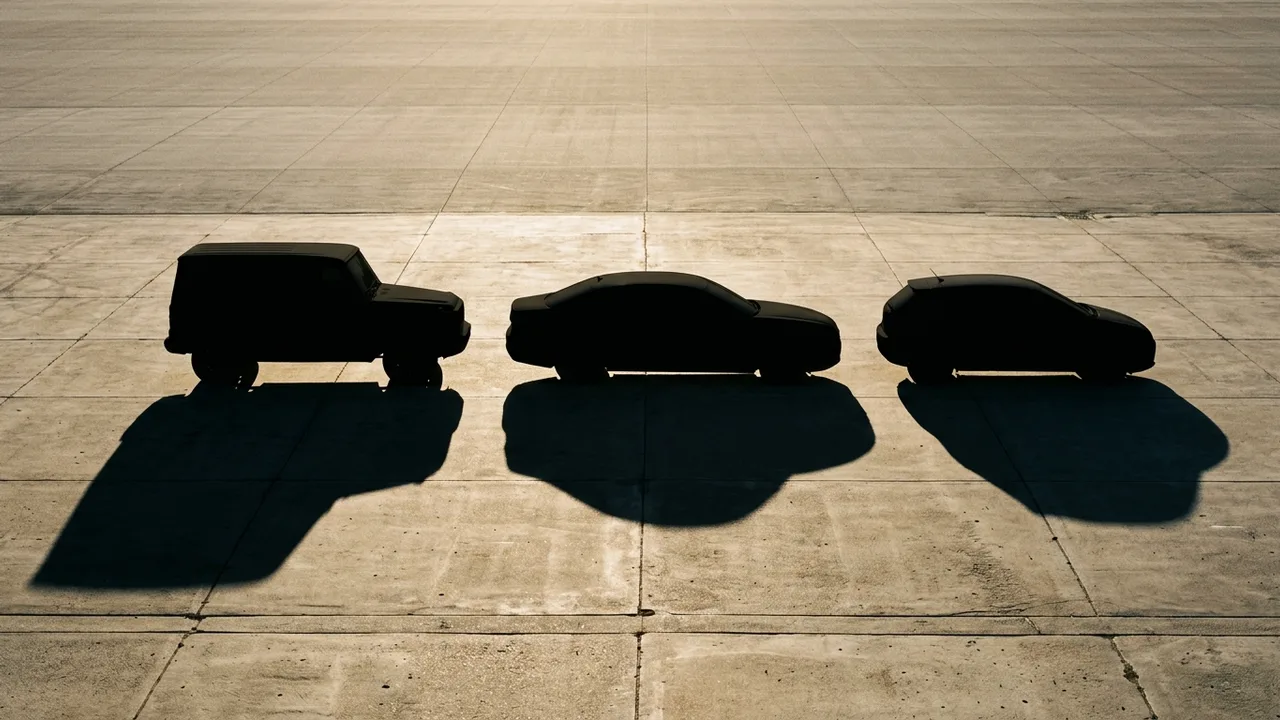
Most people don't choose a body style; they absorb one from the market's current fashion — which, everywhere on earth, is the SUV. Sometimes that's the right answer. But the three shapes carry genuinely different physics and economics, and the differences compound over years of fuel, tires and resale. Five minutes of honest matching beats a decade of paying for height you never use.
What the SUV really buys you
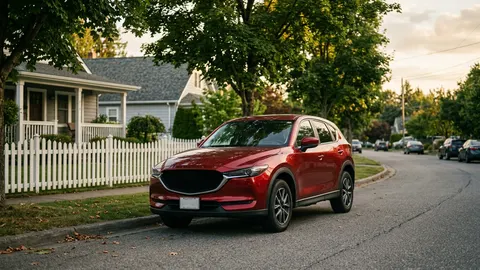
The genuine advantages: a high seating point that eases entry for bad backs, child seats and older passengers; easier loading heights; better sightlines in traffic (until everyone else buys one too); more ground clearance for rough roads, flood-prone streets and rural tracks; and, in larger sizes, third-row seating no sedan offers.
The genuine bill: physics. More frontal area and mass mean an efficiency penalty against an equivalent car — commonly 10–20% on the same engine. Higher centers of gravity trade away agility and braking; bigger tires cost more per corner; insurance often prices the extra repair cost of bumper-height mismatches. And the image of invulnerability is only half-earned: modern crash structures narrowed the safety gap, while rollover physics and pedestrian outcomes still count against height. You are paying — at purchase, at the pump, at the tire shop — for capability that suburban tarmac rarely calls on.
What the sedan still does best
The three-box car survives because physics likes it: lower, lighter, more aerodynamic. That shows up as the best economy of any equivalent engine, the most settled highway ride, the quietest cabins per dollar, and handling that makes ordinary drives pleasant instead of merely elevated. The separate trunk is a security feature (contents invisible, sealed from the cabin) and a structural one (stiffer body, less road boom). Sedans have also become the value shelf: as showrooms chase SUV margins, equivalent-spec sedans routinely price thousands lower and depreciate more gently in several markets.
The honest limits: load lips make bulky cargo awkward; the low hip point tests aging knees; ground clearance meets speed bumps and broken roads on their terms, not yours.
The hatchback's quiet case
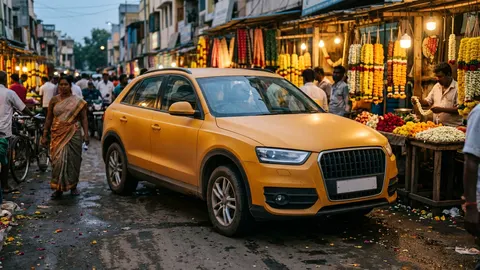
The hatch is what happens when a sedan and an SUV negotiate honestly. One box shorter than a sedan, it parks anywhere; the tailgate and folding seats swallow furniture a trunk lid refuses; it weighs least and often costs least; and driven back-to-back it's usually the most fun of the three shapes. In Europe and India it remains the rational city default for exactly these reasons.
Its costs: cabin noise (the load bay shares your acoustic space), less rear-seat prestige, and in some markets a fashion discount at resale — the market's tax on sensible.
Match the shape to the life, not the feed
- City driving, tight parking, solo or couple: hatchback, and it isn't close. Second pick: compact sedan.
- Young family, one car does everything: compact SUV if you use the height (seats, strollers, clearance) — otherwise a large hatch/estate does the job for less.
- Highway commuter, comfort and economy first: sedan — the shape built for exactly this.
- Bad roads, floods, rural running, towing: SUV legitimately; buy the clearance you'll actually use.
- Mobility constraints (yours or your passengers'): SUV height genuinely helps; test the specific seat height, not the category.
- Budget-led: whatever shape, the sedan/hatch discount against equivalent SUVs is real money — price all three before fashion votes.
The test-drive truth: carry your actual life to the showroom — the child seat, the stroller, the golf bag, the parent who finds cars hard to enter. Ten minutes of loading beats any spec sheet.
The questions buyers actually ask
What about estates/wagons — the missing fourth shape? The wagon is the sedan's physics with the hatchback's tailgate: often the objectively optimal family car, and fashion's biggest victim. Where sold, it undercuts the equivalent SUV on price and running costs while out-hauling it. If your market still stocks them, audition one before the default crossover.
Is the higher SUV seat actually safer for children? Child safety follows the seat and its installation, not vehicle height. What height genuinely helps is parental backs during the car-seat years — a real, temporary benefit worth weighing against a decade of running costs.
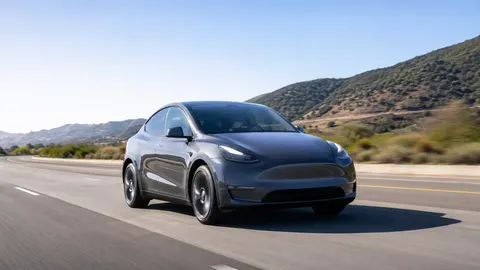
Do EVs change this calculus? Partially: electric SUVs claw back some efficiency penalty through regeneration and better aero management, but mass and frontal area still bill the battery — the same shape logic now denominated in range. The most efficient EVs on sale remain, unsurprisingly, sedan-shaped.
Key takeaways
- SUVs sell height and clearance; you pay 10–20% in efficiency plus bigger tire and insurance bills
- Sedans remain the efficiency, refinement and value champions — the shape physics prefers
- Hatchbacks are the underrated city answer: sedan costs, most of the practicality, easiest parking
- Safety differences are mostly about driving and structure now, not shape mythology
- Audition body styles with your real cargo and passengers; buy the shape your week actually uses
Sources & further reading
- Aerodynamic and mass-efficiency engineering literature
- equivalent-model economy pairings across major markets, 2026
- insurance-cost class data
- True Motion Auto multi-market pricing analysis
Figures, prices and policy details were current at the last-updated date above. Automotive pricing, incentives and regulations change frequently — verify time-sensitive details against the primary sources listed below. Read our editorial policy and fact-checking standards.