The one-sentence version
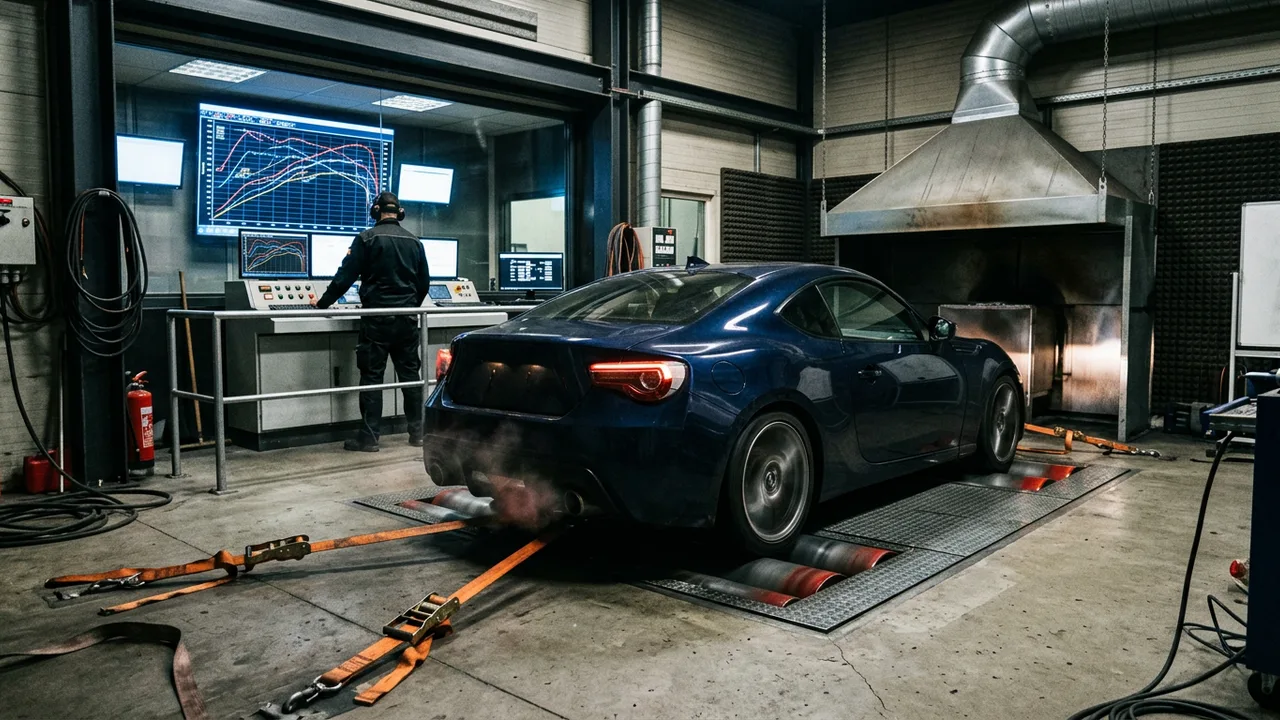
Torque is twisting force; horsepower is torque multiplied by engine speed. That's the entire relationship — power is just torque delivered quickly (the maths: hp = torque × rpm ÷ 5,252, which is why every dyno chart's lines cross at 5,252 rpm). Everything else is where in the rev range each arrives, and that's what shapes how a car feels.
Why diesels feel strong and sports cars feel fast
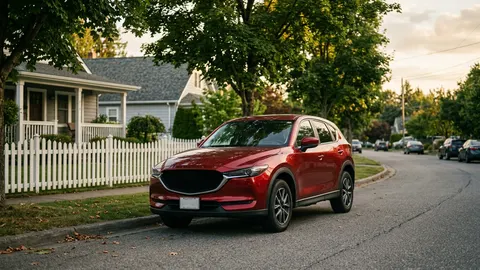
A typical turbodiesel makes its big torque at 1,500–2,500 rpm — right where real-world driving lives. Every gentle throttle request is answered instantly, no downshift required; that effortless surge is why diesels and modern turbo-petrols feel muscular around town and while overtaking, and why they tow so well. Peak power is modest because the engine won't rev far past the torque plateau.
A high-revving petrol — think sports-bike logic — makes moderate torque but holds it to 7,000+ rpm, multiplying it into big horsepower. It feels alive and ferocious when wrung out and ordinary when ambling, because at 2,000 rpm it's producing a fraction of its potential. Gearing completes the picture: a gearbox multiplies torque (that's its job), so a rev-happy engine with short gears can out-accelerate a torquier rival — at the price of working harder to do it.
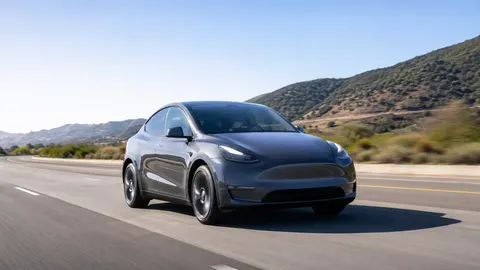
EVs end the debate by cheating: maximum torque from zero rpm, no gearbox drama — which is why a modest-power EV feels startling in town and why the spec-sheet framework above matters less each year.
Reading a spec sheet like it matters
Ignore the peak numbers alone; read the rpm they arrive at. "250Nm @ 1,600–3,500 rpm" promises everyday effortlessness; "250Nm @ 4,800 rpm" promises a downshift habit. For towing and family duty, buy the low-rpm torque plateau. For driver-joy, buy the power and the willingness to rev. For traffic-light feel, torque-per-tonne beats brochure horsepower every time — and a test drive at half-throttle tells you more than either.
The questions buyers actually ask
Which number should I care about? How you drive: town-and-motorway families → torque curve; enthusiasts → power plus rev character; EVs make the point moot.
Why does a 100hp diesel out-pull a 100hp petrol uphill? The diesel's torque arrives at the revs you're actually using; the petrol's equivalent lives two downshifts away.
Is more torque always better? Up to traction's limit and the chassis's manners, effortless is lovely — but character lives in delivery, which is why test drives outrank spreadsheets.
Key takeaways
- Power = torque × rpm; the figures cross at 5,252 rpm on every dyno chart
- Low-rpm torque = everyday effortlessness; high-rpm power = wrung-out speed
- Read the rpm ranges on spec sheets, not just the peaks
- Gearing multiplies torque — short gears mask modest engines
- EVs deliver peak torque from zero rpm, rewriting the feel equation
Sources & further reading
- Powertrain-engineering fundamentals
- dyno-measurement conventions
- road-test methodology practice
Figures, prices and policy details were current at the last-updated date above. Automotive pricing, incentives and regulations change frequently — verify time-sensitive details against the primary sources listed below. Read our editorial policy and fact-checking standards.