💷 Not financial advice. Insurance pricing is individual and changes constantly. Verify current terms with insurers and read policy wordings.
Why premiums rose
The increases are real and the causes are structural — which matters, because they explain why shopping around matters more than it used to.
1. ⭐ Repair costs rose sharply.
This is the dominant factor, and it connects directly to how cars have changed.
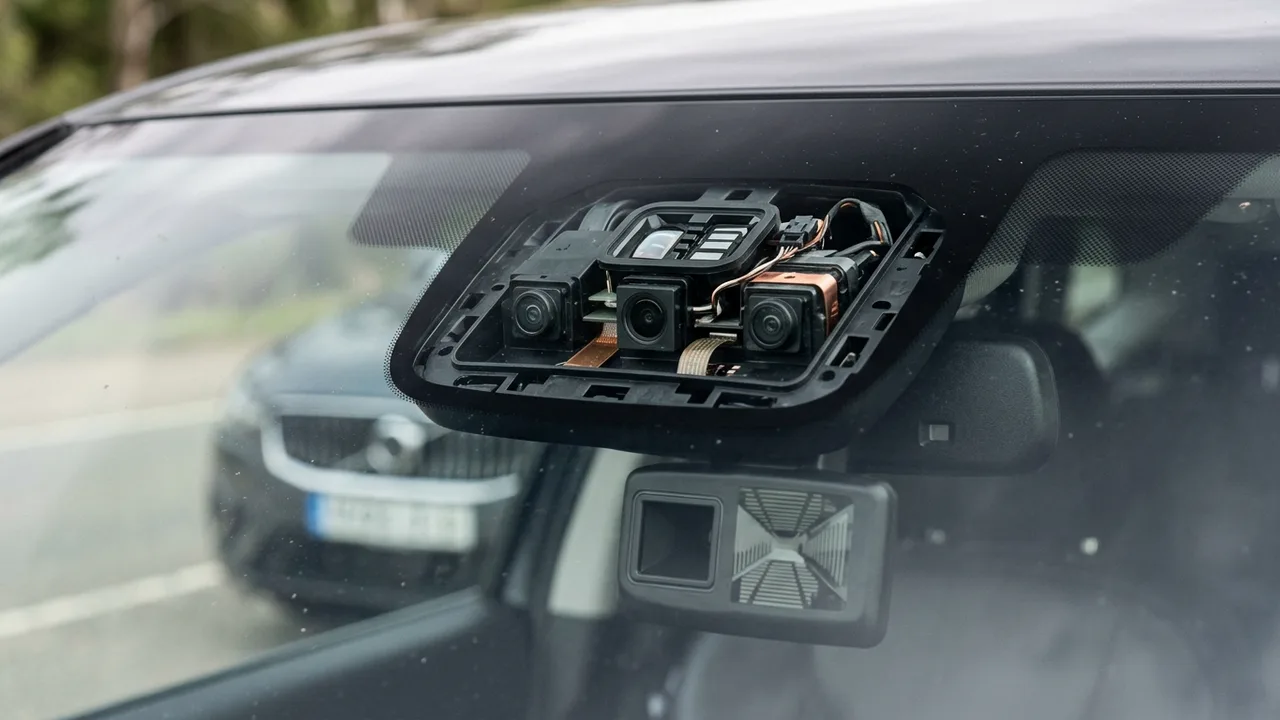
As our design and semiconductor coverage documented, modern vehicles contain far more technology — cameras, radar sensors and control modules embedded in bumpers, windscreens and mirrors.
A minor impact that once meant a bumper respray now means replacing sensors and recalibrating driver-assistance systems. A cracked windscreen on a car with a forward camera requires recalibration, not just glass.
The safety benefit is genuine and worth having — as our crash-safety history argued, active systems prevent collisions rather than merely surviving them. But they cost substantially more to repair.
2. Parts availability and supply chain costs, which our semiconductor piece traced.
3. Vehicle values, which affect total-loss settlements.
4. Claims inflation generally, including labour costs.
5. Theft patterns. Keyless entry vulnerabilities have affected certain models substantially, and insurers price accordingly.
Eight things that genuinely reduce what you pay
⭐ 1. Shop at renewal — every single year.
This is the biggest lever, and most people don't pull it.
Loyalty is not rewarded in UK motor insurance. Renewal quotes are frequently higher than what the same insurer offers a new customer, and rules requiring renewal pricing to match equivalent new-business pricing don't eliminate the value of comparing across the market.
Compare across multiple sources, including insurers who don't appear on comparison sites.
2. Adjust your voluntary excess — carefully.
A higher voluntary excess reduces the premium. Only take an excess you could genuinely pay tomorrow, because you may have to.
3. Add an experienced named driver, if genuinely appropriate.
⚠️ The critical caveat: the main driver must be the person who actually drives it most. Declaring otherwise is "fronting" — it's fraud, it invalidates the policy, and it can have serious consequences. Add a genuine additional driver; never misrepresent who the main driver is.
4. Reconsider your mileage — accurately.
Lower annual mileage usually reduces premiums. Declare your realistic figure, not an optimistic one — under-declaring can invalidate a claim.
5. Improve security. Approved immobilisers, trackers and secure overnight parking can all reduce premiums, particularly on models with known theft exposure.
6. Pay annually if you can.
Monthly payment is credit, and the APR on insurance instalments is frequently substantial. Paying annually is often meaningfully cheaper overall — though only if it doesn't strain your finances.
7. Consider telematics, if it fits you.
Genuinely valuable for lower-risk drivers, particularly younger ones facing high premiums.
The honest caveat: it monitors your driving, and if your habits don't suit the scoring — heavy braking, late-night driving, motorway speeds — it may not help.
8. Choose the car with insurance in mind.
Insurance groups vary enormously, and the difference between similar cars can be substantial. Check the group before buying, not after.
As our options coverage noted, larger wheels cost more to replace — which is one of several ways specification affects your premium.
What to avoid
⚠️ Never misrepresent anything. Address, mileage, main driver, modifications, occupation, claims history. Misrepresentation can invalidate a policy at exactly the moment you need it.
Declare modifications. As our India modification coverage argued, undeclared modifications can invalidate insurance and leave you personally liable.
Don't auto-renew without checking.
Don't buy cover you don't need, and don't assume a cheaper policy is equivalent — compare excesses, courtesy car provision and cover levels, not just price.
The bottom line
Premiums rose largely because repair costs rose — and repair costs rose because modern cars contain sensors, cameras and modules that make a minor impact an expensive event.
That technology is worth having. As our safety history argued, active systems prevent crashes rather than merely surviving them — but the repair bill is real.
The biggest lever available to you is shopping at renewal, every year. Loyalty isn't rewarded, and the difference is frequently substantial.
Then: a sensible voluntary excess, accurate mileage, genuine security improvements, paying annually if you can, telematics if it suits you, and checking the insurance group before you buy the car.
And never misrepresent anything. A cheaper premium is worthless if the policy fails when you need it.
Key takeaways
- 💷 Not financial advice — pricing is individual and changes constantly. Verify with insurers and read policy wordings
- Repair cost is the dominant driver: sensors, cameras and modules mean a minor impact now requires replacement and recalibration
- ⭐ Shopping at renewal every year is the biggest lever — loyalty is not rewarded in UK motor insurance
- Paying annually is often meaningfully cheaper than monthly instalments, which are credit at a frequently substantial APR
- ⚠️ Never misrepresent the main driver — "fronting" is fraud, invalidates the policy, and can have serious consequences
Sources & further reading
- UK motor insurance market
Figures, prices and policy details were current at the last-updated date above. Automotive pricing, incentives and regulations change frequently — verify time-sensitive details against the primary sources listed below. Read our editorial policy and fact-checking standards.