Two limits, one island
The UK operates two different drink-drive limits. England, Wales and Northern Ireland: 80 milligrams of alcohol per 100 millilitres of blood (35 micrograms per 100 ml of breath) — among the highest limits in Europe. Scotland: 50 mg per 100 ml blood (22 µg breath) since 2014 — aligned with most of the continent. Cross the border on the A1 and the same second pint changes legal status.
Neither limit converts to a number of drinks. That's not caution talking; it's biochemistry.
Why "how many pints" has no answer
Blood alcohol depends on weight, sex, body composition, food, hydration, fatigue, medication and the drink's actual strength — a "pint" spans a third of the alcohol range depending on what's in the glass. Two people sharing identical rounds can sit either side of the limit; the same person on different days can too. Every rule of thumb ("two pints is fine") has convicted its believers.
The only reliable frames: if you're driving, the working limit is zero or near it; and elimination runs at roughly one unit per hour after absorption completes — a rate no coffee, shower, food or sleep-hack accelerates. The morning after is where the arithmetic ambushes people: finish a heavy session at 1am and you can fail a breath test on the school run. Morning-after convictions are a substantial, growing slice of enforcement, and the fixed penalty mythology ("I slept, so I'm fine") defends none of them.
What the police can actually do
Officers can stop any vehicle and, following a moving offence, a collision, or suspicion of drinking, require a roadside breath test. Refusing without reasonable excuse is itself an offence carrying the same penalty range as failing. Roadside failure leads to an evidential test at the station — the reading that convicts. There is no legal right to "wait for your solicitor" before providing the evidential sample; failure to provide is charged as its own offence and treated by courts as seriously as a high reading.
The penalties, without varnish
A drink-driving conviction brings, at minimum: a 12-month driving ban (standard first-offence outcome — not points, a ban), an unlimited fine, up to six months' imprisonment available, and a criminal record. High readings and repeat offences escalate: three-year bans for a second offence within ten years, and custody moves from available to expected as readings climb. Add the long tail: insurance premiums multiplying for five years (the DR10 code stays rateable that long), employer and visa consequences, and the High Risk Offender scheme — medical clearance required before relicensing for the highest readings and repeats.
The drink-drive rehabilitation course, offered at sentencing, reduces bans by up to a quarter for completers — take it; it's the only discount on offer.
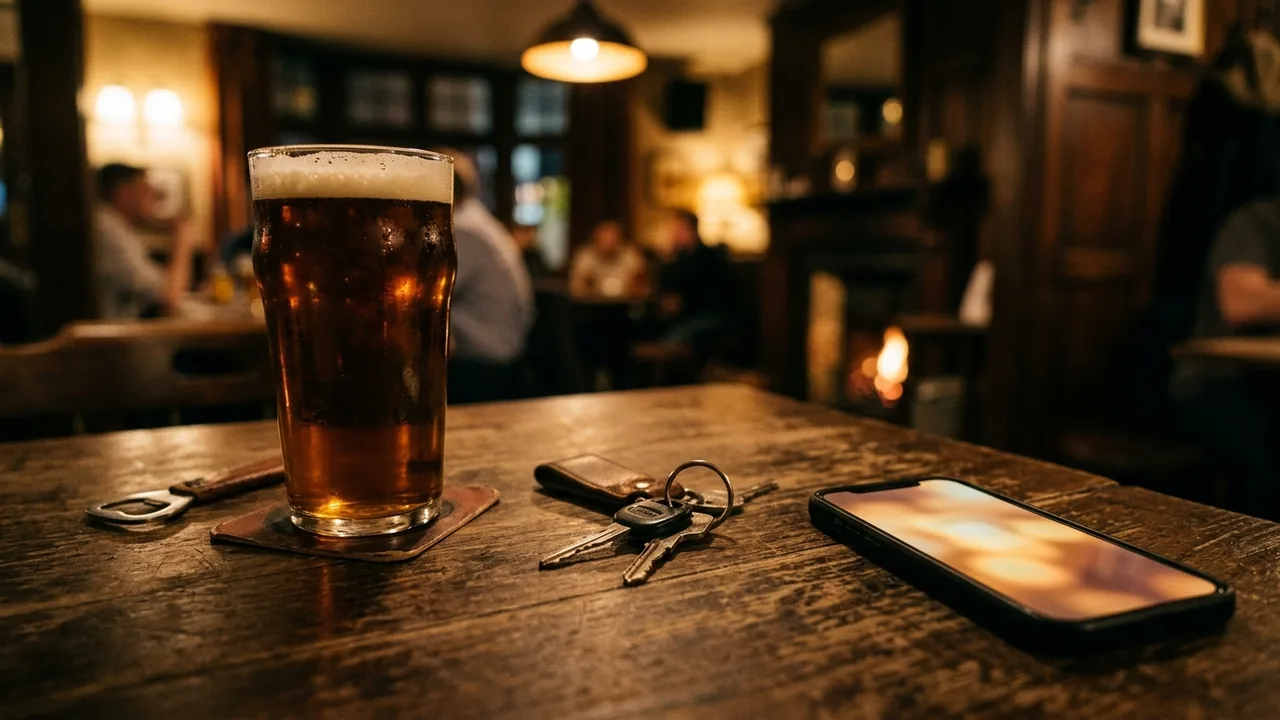
Being drunk in charge — over the limit with the keys, in or near the car, without driving — is its own offence (10 points or discretionary ban). The pub car park sleep-it-off plan needs the keys genuinely out of reach and the intention provable; case law is unkind to the driver's seat.
The questions drivers actually ask
Is one drink safe? Legally, often, in England; practically, impairment begins below every legal limit — reaction times measurably degrade at readings the law permits. Safest personal policy: separate the activities entirely.
Can I demand a blood test instead of breath? No — the choice of evidential test is the officer's, within the statutory framework. The old "replacement specimen" right for borderline breath readings was abolished years ago.
Do home breathalysers protect me? Consumer units vary wildly in calibration, and a pass on your gadget is no defence to a fail on theirs. Useful only for the most conservative purpose: confirming you're not close the morning after — never for finding the edge.
Does being under the limit protect me completely? No — careless and dangerous driving charges apply at any reading where driving standards slipped, and insurers can still contest claims on impairment evidence.
Key takeaways
- England/Wales/NI: 80 mg blood (35 µg breath); Scotland: 50 mg (22 µg) — the border changes the law
- No drink-count converts safely to the limit; elimination runs ~one unit per hour and can't be hurried
- Refusing a test carries the same exposure as failing; there's no lawyer-delay on the evidential sample
- Minimum first-offence outcome: 12-month ban, unlimited fine, criminal record, five years of insurance pain
- Morning-after and drunk-in-charge cases fill the courts — plan the night and the next morning
Sources & further reading
- Road Traffic Act 1988 ss.4–7
- Scotland's 2014 limit regulations
- sentencing guidelines for excess-alcohol offences
- DVLA High Risk Offender scheme
- DfT drink-drive casualty statistics, 2026. General information, not legal advice.
Figures, prices and policy details were current at the last-updated date above. Automotive pricing, incentives and regulations change frequently — verify time-sensitive details with the linked primary sources. Read our editorial policy and fact-checking standards.