The two words that decide everything
Collector insurance in America turns on a definition most owners learn too late. Agreed value means the number on your policy schedule is what a total loss pays — period. Stated value — the phrase designed to be confused with it — means the insurer pays up to that number or actual cash value, whichever is less. On an appreciating classic, stated value is a ceiling pretending to be a floor. The first rule of the segment: read the declarations page, and if it doesn't say agreed, keep shopping.
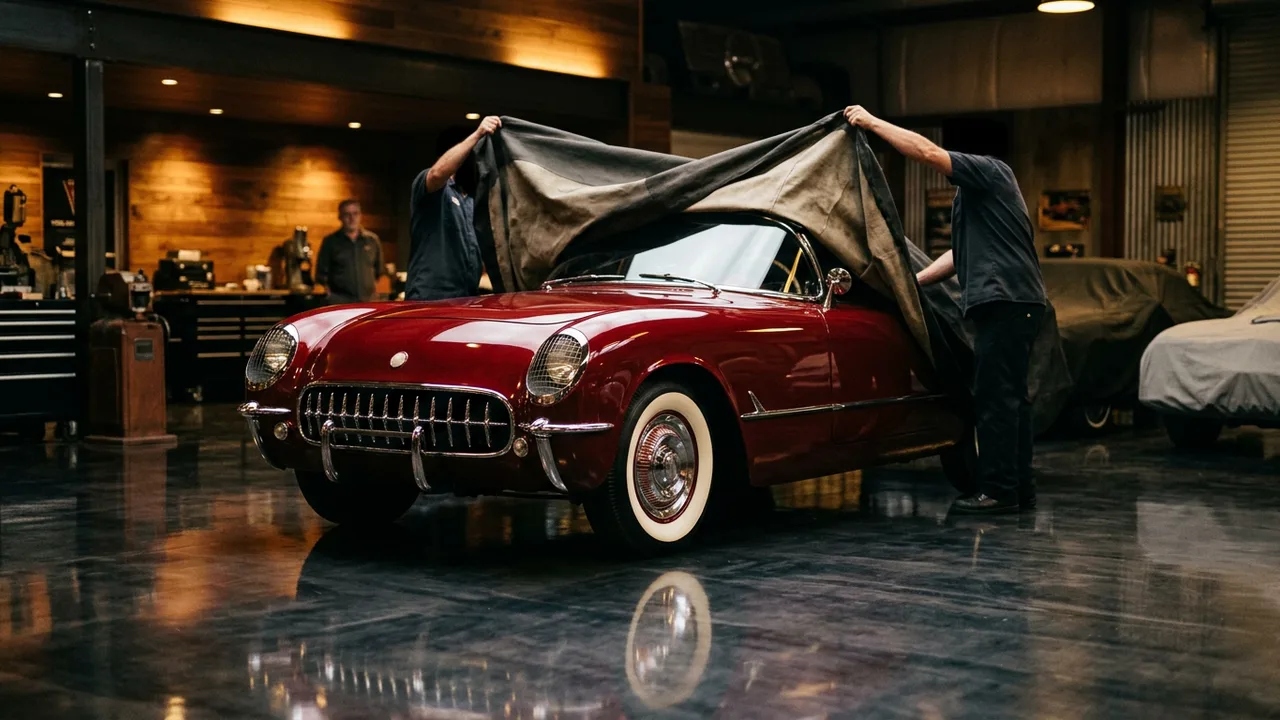
Specialists (Hagerty, Grundy, American Collectors and peers) built the market on agreed value plus premiums that undercut standard carriers dramatically — the collector risk pool barely drives, garages religiously, and never leaves keys in the ignition at a gas station.
What the policies assume — and enforce
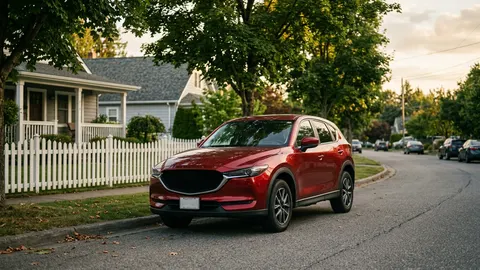
Eligibility usually wants the classic as a pleasure vehicle, not transportation: a daily driver in the household for commuting, enclosed storage, a decent driving record, and sometimes vehicle age or collectibility thresholds (modern collectibles and 90s Japanese metal increasingly qualify). Mileage plans vary — some policies are effectively unlimited-pleasure-use, others tiered — but commuting and errand use is the exclusion that sinks claims. Drive it to work daily and you've bought a very cheap policy that pays nothing.
The good policies add the details collectors actually need: spare-parts coverage, salvage retention after a total loss, flatbed-only towing, repair-shop-of-choice freedom, coverage during restoration, and automatic quarterly appreciation buffers on some schedules.
Managing an appreciating asset
An agreed value set three years ago may be 40% light today. Revisit valuations annually — auction results and club valuation tools make the case — and after any restoration milestone. Under-documented cars claim badly: keep a photo file, receipts and provenance papers off-site or in the cloud. And when a car crosses from "old" to "collectible," move it off the standard policy before the market moves; standard carriers total appreciating cars at book values that will insult you.
The questions owners actually ask
My 1995 daily-ish coupe — collector policy? If it's a second car, garaged and driven for pleasure, very likely yes — modern-classic programs want exactly this. Daily transportation, no.
Does agreed value cover restoration-in-progress? Specialists offer build-up coverage tracking invested value — tell them the project exists; an unlisted engine-out car is a coverage argument waiting to happen.
Track days? Almost universally excluded on collector policies; separate track coverage exists. Don't test this one.
Key takeaways
- Agreed value pays the schedule; "stated value" pays whichever is less — avoid it
- Specialist premiums are cheap because usage/storage rules are strict — obey them
- Commuting use is the classic claim-killer; enclosed storage is assumed
- Re-value annually in a rising market; document everything off-site
- Salvage retention and shop-of-choice clauses matter for rare metal
Sources & further reading
- US specialist-insurer policy language
- collector-market valuation tools
- claims-practice commentary
Figures, prices and policy details were current at the last-updated date above. Automotive pricing, incentives and regulations change frequently — verify time-sensitive details against the primary sources listed below. Read our editorial policy and fact-checking standards.