Why the licence comes in stages
Sixteen-year-old drivers crash at multiples of the adult rate — inexperience compounded by passengers, darkness and phones. Graduated Driver Licensing (GDL), now in every state in some form, attacks exactly those multipliers by phasing exposure: a learner's permit stage (supervised driving only), an intermediate/provisional licence (solo driving with night-time and passenger restrictions), then the full licence. The research verdict is unambiguous: strong GDL programs cut fatal teen crashes substantially — the boring rules are the life-saving ones.
The framework is state law, so the details — permit age (14–16), holding periods (commonly 6–12 months), required supervised hours (often 40–60, some with night-hour minimums), restriction sunsets — vary meaningfully by state. The state DMV page is the source of truth; everything below is the common architecture.
What each stage really requires
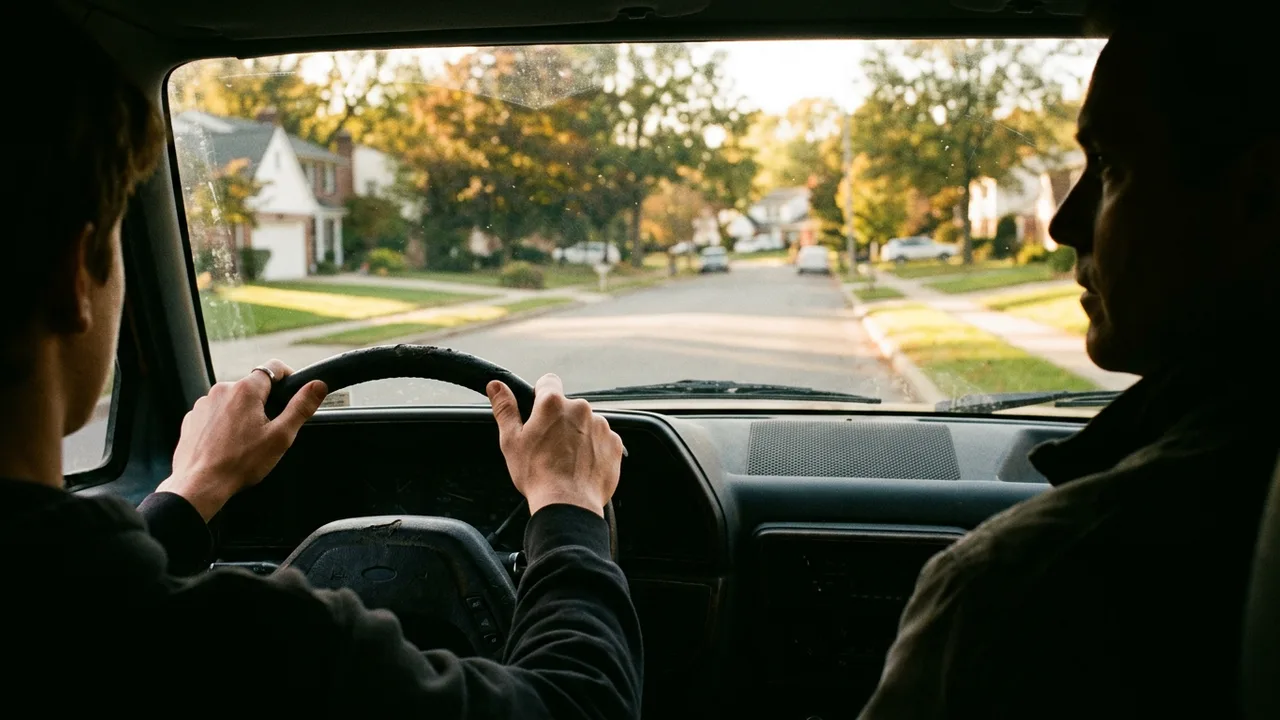
Permit stage: a knowledge test, then supervised driving with a licensed adult — and a log of practice hours most states require signed. The quiet truth: the quality of those hours matters more than the count. Rain, night, highways and left turns across traffic are where crashes live; empty-parking-lot hours don't transfer.
Intermediate stage: after the road test, solo driving arrives fenced — typically no driving late at night (start times vary, midnight–1 a.m. common, some earlier) and passenger limits, usually no more than one non-family teen passenger. These two rules target the two strongest crash multipliers teens face. Phone bans for teen drivers are near-universal and zero-tolerance alcohol rules are universal.
Full licence arrives by age and clean-record milestones — violations during the intermediate stage commonly reset clocks or add sanctions.
The parent's actual role
The data is blunt: parental involvement predicts outcomes better than any driver's-ed brochure. What works: driving in every condition during the permit phase, a written parent-teen agreement extending restrictions past the legal minimums (households that keep the one-passenger rule to 18 see the benefit), and modelling — a parent who texts at wheel trains a texter. Insurance-wise, adding a teen is painful everywhere; good-student discounts, telematics programs and driver's-ed credits blunt it somewhat.
The questions parents actually ask
Is private instruction worth it beyond driver's ed? A few professional hours diagnosing bad habits mid-permit are the highest-yield spend; driver's ed alone doesn't produce safe drivers.
Should we delay licensing entirely? Delaying past the teen years just moves inexperience to an unrestricted age. The GDL fence works — use it rather than dodge it.
Out-of-state moves? Licences transfer but restriction stages usually map to the new state's rules — check before assuming freedoms carry over.
Key takeaways
- Three stages: permit (supervised) → intermediate (restricted solo) → full
- Night-driving and teen-passenger limits are the two rules that save the most lives
- Supervised-hour quality beats quantity: night, rain, highways, hard turns
- Details vary by state — the DMV page governs; log-and-agreement discipline pays
- Violations in the intermediate stage typically reset the clock
Sources & further reading
- State GDL statute frameworks
- IIHS/NHTSA teen-crash research summaries
- driver-education practice consensus
Figures, prices and policy details were current at the last-updated date above. Automotive pricing, incentives and regulations change frequently — verify time-sensitive details with the linked primary sources. Read our editorial policy and fact-checking standards.