Where winter actually strikes
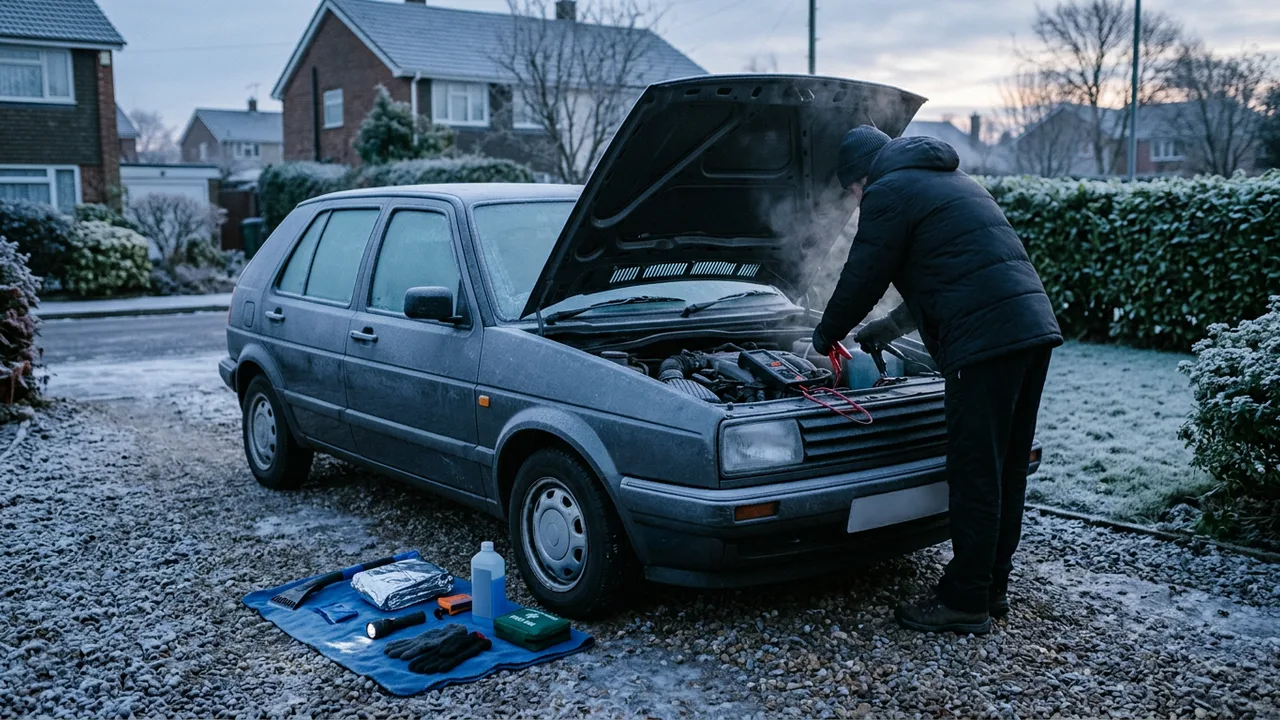
Breakdown statistics are monotonously consistent: the battery is winter's number-one killer. Cold slashes a battery's cranking output at exactly the moment a cold engine demands more of it, and a battery that started fine all summer at 70% health dies in the first proper freeze. The single highest-value prep is a load test (free at most parts stores and workshops); replace anything marginal before the season, and if the car sits for days, a smart trickle charger repays itself the first missed breakdown.
The rest of the engine-bay checklist: coolant/antifreeze strength tested (a refractometer reading, not a colour glance — dilute coolant freezes, cracks blocks, and ends engines), winter washer fluid rated well below your local lows (summer mix freezes in the jets on the first motorway spray), wipers that don't smear (streaks now become blindness in salt-spray), and every bulb working through the season of permanent dusk.
Tyres decide the accidents
Below roughly 7°C, summer-tyre compounds harden and grip falls off a cliff — this is chemistry, not marketing. If your winters bring real snow and ice, proper winter tyres (3PMSF-marked) transform braking distances in ways no drive mode can imitate; in merely-cold-and-wet climates, quality all-seasons are the honest compromise. Whatever the rubber: 3 mm tread is the sensible winter minimum (legal minima are summer numbers), pressures checked cold monthly (pressure drops with temperature), and the spare included in the audit.
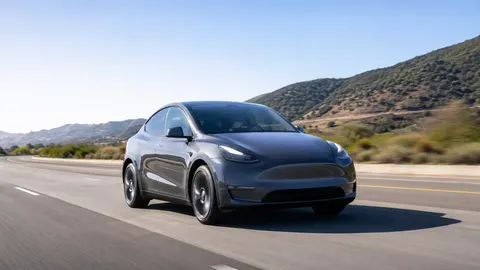
EV winter craft deserves its own line: expect 20–30% range reduction in real cold, precondition while plugged in (cabin heat from wall power, not battery), use heated seats over cabin-air heat where possible, and expect slower DC charging on a cold pack — navigation-linked battery preheating before rapid stops recovers most of it.
In the cabin and the boot
The kit that turns a stranding into an anecdote: scraper and de-icer (not the kettle — glass cracks), a torch, gloves and a warm layer, phone power bank, a small shovel and traction aid (mats or grit) where snow is real, and jump leads or a lithium jump pack — which rescues you and makes you the hero of someone else's morning. Keep the fuel tank half-full in cold snaps: condensation and unplanned diversions both argue for margin.
The questions drivers actually ask
Are winter tyres worth it for occasional snow? It's the cold, not just snow — sub-7°C grip is the argument. Frequent hard winters: yes. Mild maritime winters: good all-seasons suffice.
Should I warm the engine before driving? Thirty seconds and drive gently is the modern answer — idling warms slowly and wastes fuel; the engine warms fastest under light load.
Why did my "fine" battery die overnight? Cold reveals weakness rather than causing it — the load test would have told you in October.
Key takeaways
- Battery load test is the highest-value single prep — replace marginal units early
- Coolant strength measured, winter washer fluid, wipers and bulbs sorted
- Sub-7°C is winter-tyre chemistry; 3 mm tread the sensible floor
- EVs: precondition plugged-in, expect 20–30% range loss, preheat before rapids
- Boot kit + half-a-tank rule turn strandings into stories
Sources & further reading
- Breakdown-service seasonal statistics
- tyre-compound temperature research
- EV manufacturer cold-weather guidance
Figures, prices and policy details were current at the last-updated date above. Automotive pricing, incentives and regulations change frequently — verify time-sensitive details against the primary sources listed below. Read our editorial policy and fact-checking standards.