Federal law requires all EVs sold in the US to carry a battery warranty of at least 8 years or 100,000 miles, guaranteeing the battery holds at least 70% of its original capacity. Most manufacturers meet this minimum; some (Hyundai/Kia, BYD) offer up to 10 years or more. The warranty matters most to finance buyers because: (1) a failing battery massively reduces resale value and can create severe negative equity, and (2) an unexpired warranty is a concrete financial protection if you keep the car into its middle years. Always check the exact terms — the minimum standard and coverage details differ significantly by manufacturer.
True Motion Auto collects and presents information from official and primary sources (regulators, government bodies, lenders and insurers' published terms). This is general information, not personalised financial advice — check figures with the provider or a qualified adviser before acting. Jurisdiction: General — check your jurisdiction. Last checked: August 2026.
Editorial oversight: Vasudha Gupta, Editor.
EV battery warranty comparison — major brands (US market, mid-2026)
| Manufacturer | Battery warranty | State of health floor | Transferable to new owner? |
|---|---|---|---|
| Tesla | 8 years / 100k–150k miles (varies by model) | 70% (Model 3/Y), 80% retention target | Yes |
| GM (Chevrolet, GMC) | 8 years / 100,000 miles | 70% capacity | Yes (with conditions) |
| Ford | 8 years / 100,000 miles | 70% capacity | Yes |
| Hyundai / Kia | 10 years / 100,000 miles | 70% capacity | Limited transfer |
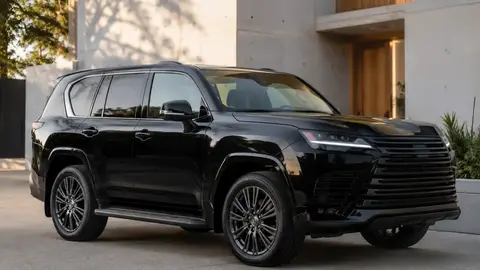
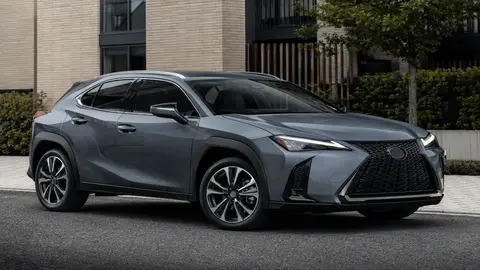
| Toyota / Lexus EV | 10 years / 150,000 miles | 70% capacity | Yes |
| BMW / Mercedes EV | 8 years / 100,000 miles | 70% capacity | Yes (conditions) |
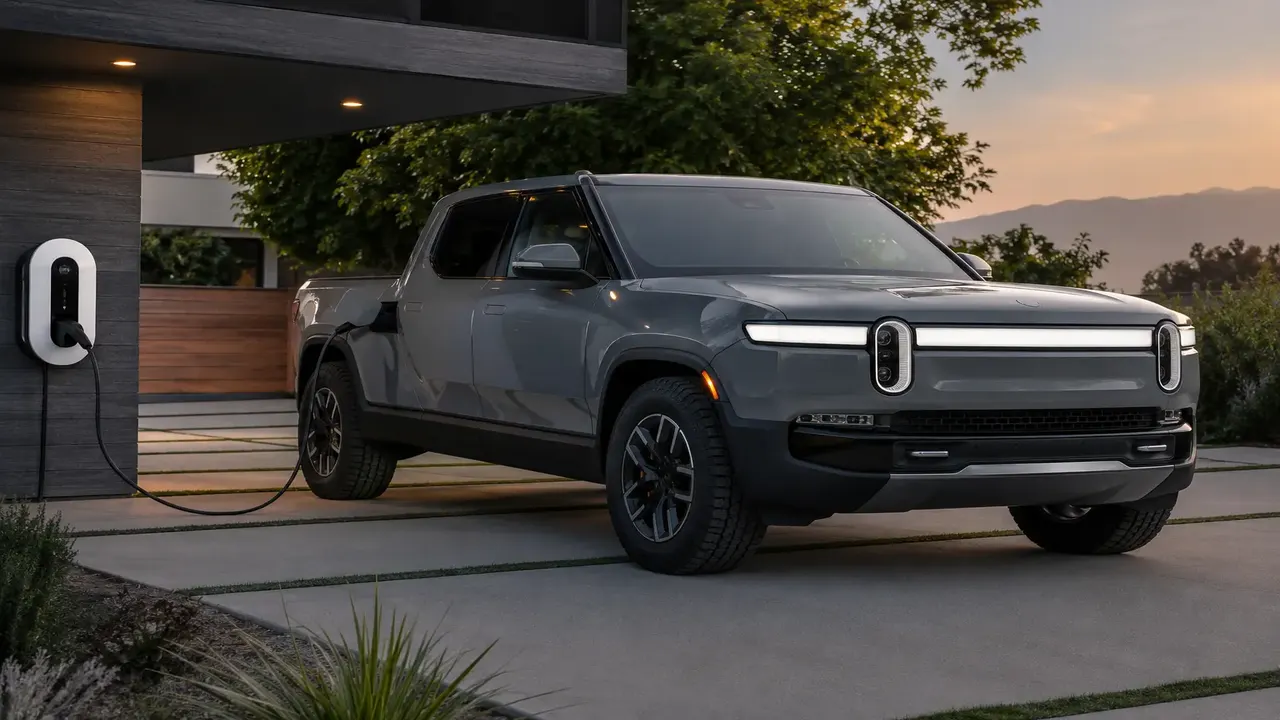
| Rivian | 8 years / 175,000 miles | 70% capacity | Yes |
Why the battery warranty is a finance document
An EV's battery pack typically represents 30–50% of the vehicle's manufacturing cost. If it degrades significantly or fails outside of warranty, repair or replacement costs can run $10,000–$20,000 — often more than the car is worth on the used market. For finance buyers, an unexpected battery cost outside warranty could destroy equity instantly, leave you owing far more than the car is worth, and make the vehicle unsaleable without a loss.
Understanding the warranty terms before you sign a finance agreement is therefore a risk management exercise, not just a product specification question.
What the federal minimum requires
The Energy Policy Act and subsequent federal regulation requires EV battery warranties to cover a minimum of 8 years or 100,000 miles (whichever comes first), and the battery must retain at least 70% of its original capacity throughout that period. California's zero-emission vehicle regulations are slightly stricter and apply in California and CARB states.
The 70% floor means: if your battery degrades below 70% capacity while still within the warranty period, the manufacturer is required to repair or replace it at no cost. Degradation above 70% during the warranty period — even to 72% — may not trigger coverage. Always check the specific threshold in your vehicle's warranty documentation.
Warranty terms that matter most to finance buyers
Transferability
Most manufacturer battery warranties transfer to subsequent owners — a major factor in resale value. If you are planning to sell or trade in within the warranty period, verify that the full remaining warranty transfers. Some manufacturers impose mileage or time restrictions on transfer; others require the new owner to register the transfer formally.
What triggers a claim
Battery warranties typically cover two things: (1) capacity degradation below the threshold (most set at 70%), and (2) defects in materials or workmanship causing failure. Capacity degradation is the more common issue and requires the manufacturer to test the battery — which may involve a dealer visit and diagnostic download. Some manufacturers now offer remote diagnostics; others require the vehicle to be brought in.
What is excluded
Standard EV battery warranties typically exclude: damage from accidents, flooding or fire; degradation caused by use outside the manufacturer's recommended charging parameters (e.g., repeated 0% to 100% charges on NMC batteries if the manual advises against it); non-OEM charging equipment damage; and batteries in vehicles used for commercial ride-hailing. Read the exclusions carefully.
Battery warranty and loan term alignment
A practical finance rule of thumb: try to align your loan term with the remaining warranty period. If you are buying a new EV on a 72-month loan, the battery warranty covers you for the first 96 months (8 years) — so the loan finishes inside the warranty window, which is ideal. If you are buying a 3-year-old used EV with 5 years of battery warranty remaining and taking a 60-month (5-year) loan, you are just within the window — prudent.
Buying a used EV outside its battery warranty period on a long-term loan is the highest-risk combination. The battery may be fine — fleet and individual EV data shows average degradation of only around 2–2.5% per year — but without warranty coverage, you carry the full cost of any battery issue.
Some insurers and vehicle service contract providers now offer extended battery warranties for EVs outside the manufacturer window. Costs vary widely ($500–$2,000 for multi-year coverage). If you are buying a used EV outside warranty, get quotes and read the exclusions carefully — some products exclude pre-existing degradation.
Leasing removes battery risk entirely
If battery longevity concerns are significant, leasing sidesteps the risk entirely — you return the vehicle before long-term degradation becomes your financial problem, and the residual value risk (including any battery impact) sits with the lessor. This is one reason leasing is often recommended for EV buyers who are uncertain about battery technology stability or resale values.
UK and India context
In the UK, consumer law provides additional protection beyond manufacturer warranty terms — vehicles must be of satisfactory quality, and a battery developing serious premature degradation may be subject to claim under the Consumer Rights Act 2015. In India, battery warranties from manufacturers are typically 5–8 years, though third-party warranty products are available through Tata, MG and others.
Frequently asked questions
What does 70% capacity actually mean in practice?
Does fast charging void the battery warranty?
Can I check my EV battery's state of health?
What happens if the battery degrades to 75% — below the 70% threshold — but within warranty?
Does battery warranty affect my car insurance?
Sources & further reading
- US Dept of Energy — EV Battery Warranties Explained
- Consumer Reports — EV Reliability and Battery Data 2026
- IRS — Clean Vehicle Tax Credits
Figures, prices and policy details were current at the last-updated date above. Automotive pricing, incentives and regulations change frequently — verify time-sensitive details with the linked primary sources. Read our editorial policy and fact-checking standards.