Most plug-in hybrids offer 20-40 miles of EPA-rated electric-only range, enough to cover a one-way commute of roughly 10-20 miles fully on electricity if you can charge at both ends. Commutes longer than the car's electric range still benefit from a PHEV, since the gas engine takes over seamlessly, but the fuel-economy advantage shrinks once you're regularly driving on gas. The math favors PHEVs most for commuters who can plug in at home and, ideally, at work.
At a glance: PHEV commute math
| Commute length (one-way) | Typical PHEV experience |
|---|---|
| Under 15 miles | Often fully electric round trip if charged nightly at home |
| 15-25 miles | Partial electric, partial gas depending on model's EV range and charging access |
| 25+ miles | Mostly gas-engine driving on the commute; EV range better used for local errands |
| With workplace charging | Extends the electric-only commute distance meaningfully |
How plug-in hybrids actually work
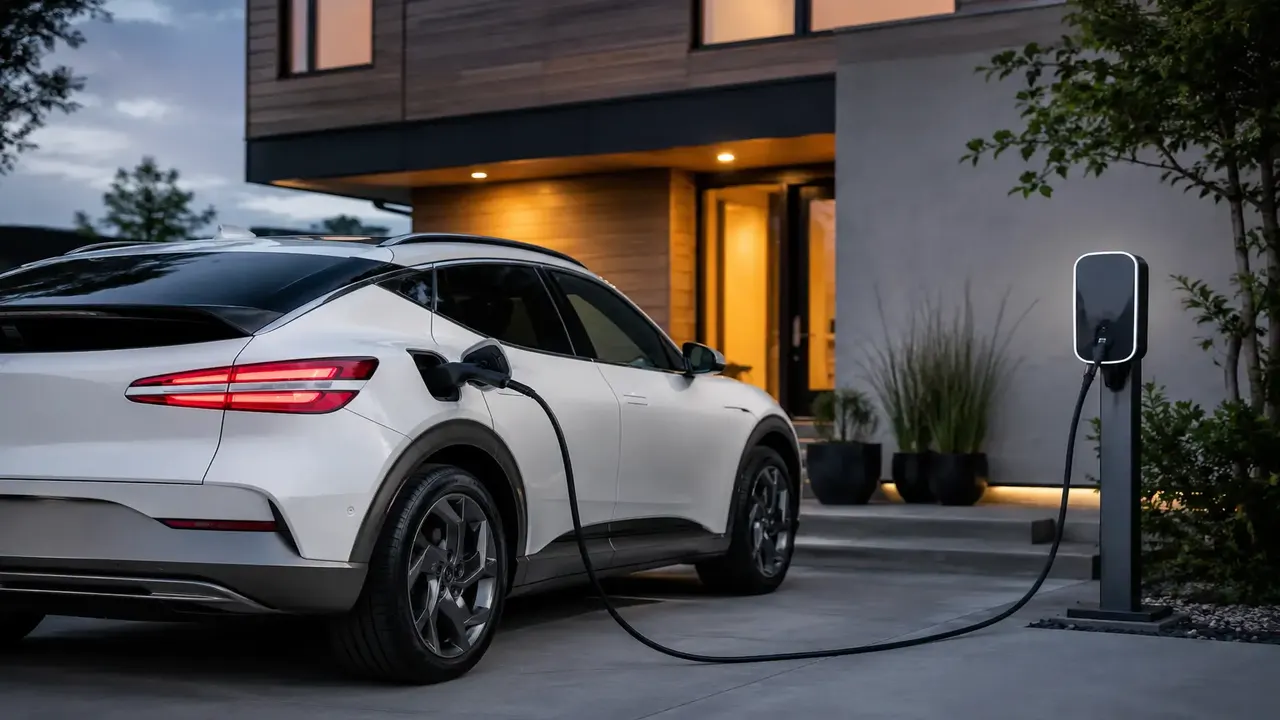
A PHEV pairs a smaller battery pack (compared to a full EV) with a conventional gasoline engine. You plug it in overnight like an EV for the first 20-40 miles, then the gas engine and hybrid system take over automatically once the battery is depleted, continuing to drive like a regular hybrid rather than stranding you. That combination is the entire appeal for commuters: electric for the routine trip, gas for everything beyond it.
Matching electric range to your actual commute
The decision hinges on simple arithmetic: compare the car's EPA-rated electric-only range to your round-trip commute distance. A commuter driving 12 miles each way (24 miles round trip) can realistically stay in electric mode all day with a car rated for 30 miles of EV range and a home charger. A commuter driving 35 miles each way will spend most of the trip on the gas engine, meaning the plug-in premium buys less fuel savings than the sticker range suggests.
- Measure your actual round-trip commute distance, not just one-way
- Factor in errands and side trips that add to the day's total electric-mode driving
- Check whether your workplace offers charging — even a standard outlet extends usable EV range
- Remember cold weather cuts electric range on PHEVs too, similar to full EVs
What happens once the battery runs out
Unlike a full EV running low on charge, a PHEV with a depleted battery simply continues driving as a conventional hybrid — there's no range anxiety or need to find a charger mid-trip. Fuel economy in gas-hybrid mode is typically strong (often 35-45 mpg-equivalent) but noticeably lower than the eye-catching combined MPGe figure on the window sticker, which blends electric and gas driving in a way that can overstate real-world gas-mode efficiency for long-commute drivers.
Charging habits that make or break the value
A PHEV that never gets plugged in is just a heavier, less efficient gas hybrid — you're carrying battery weight without using the electric range that justifies it. The value proposition depends entirely on consistent charging, ideally nightly at home on a standard outlet (Level 1) or faster Level 2 charger. Drivers who won't reliably plug in are usually better served by a standard hybrid, which recovers efficiency through regenerative braking without requiring any charging discipline.
Who plug-in hybrids suit, and who they don't
PHEVs make the most sense for commuters with a short-to-moderate daily drive, home charging access, and occasional long road trips where an EV's charging stops would be inconvenient. They make less sense for drivers with very long commutes who'd spend most of their time on the gas engine anyway, or for anyone without reliable access to a charger, since the fuel savings evaporate without regular electric-mode driving.
Combined MPGe ratings on plug-in hybrids assume a specific mix of electric and gas driving defined by EPA test cycles. A long-commute driver who exhausts the battery early in the day will see real-world fuel economy much closer to the gas-only hybrid figure than to the headline MPGe number.
Frequently asked questions
Is a plug-in hybrid worth it for a long commute?
What is a typical plug-in hybrid's electric-only range?
Do I need a special charger for a plug-in hybrid?
What happens to fuel economy once the PHEV battery is empty?
Are plug-in hybrids more expensive to maintain than regular hybrids?
Sources & further reading
- U.S. DOE/EPA — fueleconomy.gov plug-in hybrid data
- U.S. Department of Energy — Alternative Fuels Data Center on PHEVs
Figures, prices and policy details were current at the last-updated date above. Automotive pricing, incentives and regulations change frequently — verify time-sensitive details with the linked primary sources. Read our editorial policy and fact-checking standards.