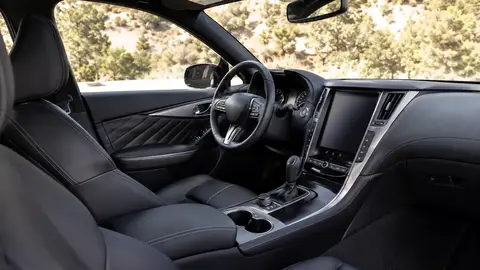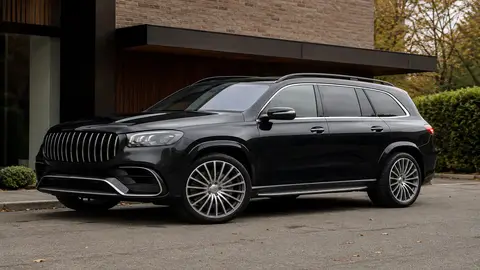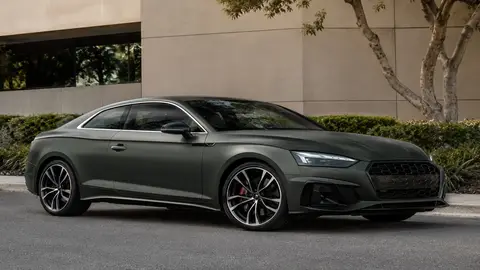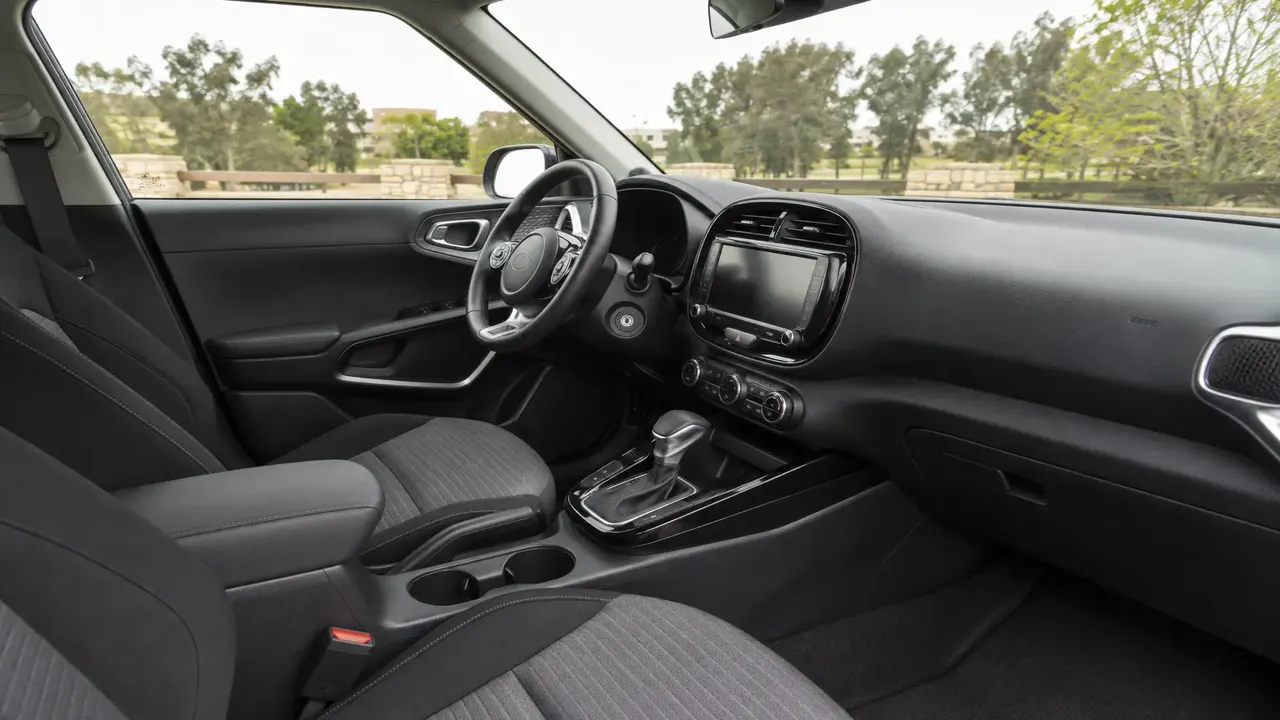
The quietest cabins measure around 62-68 decibels (dB) at a steady 70 mph/113 km/h motorway cruise, versus 72-78 dB in noisier, budget-focused models — a gap that feels far larger than the numbers suggest because the decibel scale is logarithmic. Premium saloons and SUVs with acoustic glass, thick sound deadening and EV or hybrid drivetrains tend to top quietness rankings, while small hatchbacks and off-road-biased SUVs with all-terrain tyres tend to be the noisiest at motorway speed.
At a glance: the quietest cabins for long drives
| Factor | Typical impact on cabin noise |
|---|---|
| Acoustic (laminated) glass | Can cut wind noise noticeably, especially at higher speeds |
| Tyre choice | All-terrain/off-road tyres add several dB versus road-biased tyres |
| Electric/hybrid drivetrain | Removes engine noise at low speed; wind/road noise becomes more noticeable |
| Active noise cancellation | Common on premium models; reduces low-frequency drone |
| Body type | Saloons and crossovers are typically quieter than boxy SUVs and pickups at speed |
What actually makes a cabin quiet
Cabin noise comes from three sources: engine/powertrain, road/tyre roar, and wind noise, and the loudest source usually depends on your speed. At low speed, engine and transmission dominate; on the motorway, wind and tyre noise take over almost entirely. That's why an EV can feel eerily silent pulling away from a junction, yet still generate noticeable wind and road noise at 70 mph — the tyre and wind noise haven't gone anywhere; the engine noise that used to mask them has.
Design features that reduce noise
- Acoustic laminated windscreens and front side windows — a thin acoustic layer meaningfully cuts wind noise transmission.
- Thicker underbody and wheel-arch sound deadening — absorbs road roar before it reaches the cabin.
- Double door seals — many premium models use two seal layers per door to reduce wind whistle.
- Active noise cancellation — uses cabin microphones and speakers to cancel specific frequencies, most effective against engine drone.
- Smooth underbody panels — reduce turbulence-generated noise at speed, a common feature on efficiency-focused EVs.
Why tyre choice matters more than people expect
Swapping to a quieter, road-biased tyre can noticeably cut in-cabin noise on the same car, while fitting aggressive all-terrain or performance tyres on that same car can add several decibels of roar. If cabin quiet matters to you and you're replacing tyres anyway, ask specifically about tyre noise ratings, not just wet grip and tread life.
Body styles ranked roughly by typical quietness
| Body style | Typical motorway noise character |
|---|---|
| Premium saloon/EV saloon | Quietest — aerodynamic shape, acoustic glass common |
| Midsize crossover SUV | Quiet to moderate — depends heavily on tyre choice |
| Off-road-biased SUV/pickup | Noisier — boxier shape and all-terrain tyres both add noise |
| Small hatchback (budget trim) | Noisiest — less sound deadening, smaller glass area but thinner |
Common mistakes when judging cabin quiet from a test drive
- Test-driving only at low speed, where engine noise (or its absence in an EV) dominates rather than the wind/road noise you'll hear most on a real long drive.
- Not testing on a rough or coarse-surfaced road, where road roar differences between cars become far more obvious than on smooth showroom-adjacent streets.
- Assuming all trims of a model are equally quiet — base trims often skip acoustic glass and extra sound deadening that higher trims include.
- Ignoring wind noise from roof rails, aftermarket roof boxes or towbars, which can add noticeable noise regardless of how quiet the base car is.
A showroom test drive rarely reveals true motorway noise levels. Ask for a longer test drive that includes a stretch of motorway or dual carriageway at a steady 60-70 mph before judging cabin quietness.
Who benefits most from a quiet cabin
High-mileage motorway commuters and anyone doing regular long family road trips benefit most — fatigue drops noticeably in a quieter cabin over several hours. It matters less for drivers doing mostly short urban trips, where a slightly noisier cabin is rarely noticed over a 10-minute journey.
Frequently asked questions
Are electric cars quieter than petrol cars on the motorway?
Do bigger cars have quieter cabins?
Does tyre choice really affect cabin noise that much?
How can I check a car's cabin noise before buying?
Sources & further reading
- Euro NCAP — vehicle testing standards
- US National Highway Traffic Safety Administration (NHTSA)
- SAE International — vehicle noise, vibration and harshness standards
Figures, prices and policy details were current at the last-updated date above. Automotive pricing, incentives and regulations change frequently — verify time-sensitive details with the linked primary sources. Read our editorial policy and fact-checking standards.