Wagons (called estates in the UK) typically offer more usable cargo length than a sedan of the same footprint while keeping a lower center of gravity and better fuel economy than a comparably sized SUV. Compact wagons generally hold roughly 500-600 liters of cargo space with seats up, midsize wagons more, and folding the rear seats can roughly double that figure. They remain a niche segment in North America but stay mainstream in Europe, where estate versions often outsell their sedan counterparts.
At a glance: wagons and estate cars compared
| Wagon type | Typical buyer | Trade-off |
|---|---|---|
| Compact wagon | Small families, city dwellers wanting more cargo than a hatchback | Less rear headroom than an SUV of similar length |
| Midsize wagon | Families wanting SUV-like space with car-like handling | Fewer model choices than midsize SUVs in most markets |
| Performance wagon | Enthusiasts wanting sports-sedan handling with cargo room | Higher price and often higher running costs |
| Off-road/all-wheel-drive wagon | Buyers wanting light all-weather capability without SUV bulk | Less ground clearance than a true SUV |
Why wagons still make sense
A wagon starts life as a sedan with an extended, flat-roofed cargo area instead of a trunk. Because the platform doesn't need to be raised like an SUV's, wagons keep a lower center of gravity, which generally translates into more confident handling and, in many cases, better fuel economy than an SUV built on the same underlying platform. The trade-off is less commanding seating position and, on some models, slightly less rear headroom than buyers have come to expect from crossovers.
Compact vs midsize vs performance wagons
Compact wagons prioritize efficiency and city maneuverability, usually with modest four-cylinder engines and cargo volumes in the 500-600 liter range with the rear seats up. Midsize wagons add more rear-seat space and cargo volume, often bridging the gap between a compact SUV and a full-size SUV without the extra height and weight. Performance wagons take a sports-sedan drivetrain — sometimes with all-wheel drive and a turbocharged or six-cylinder engine — and add wagon practicality, appealing to buyers who want family-hauling capability without giving up driving enjoyment.
Cargo space and folding-seat practicality
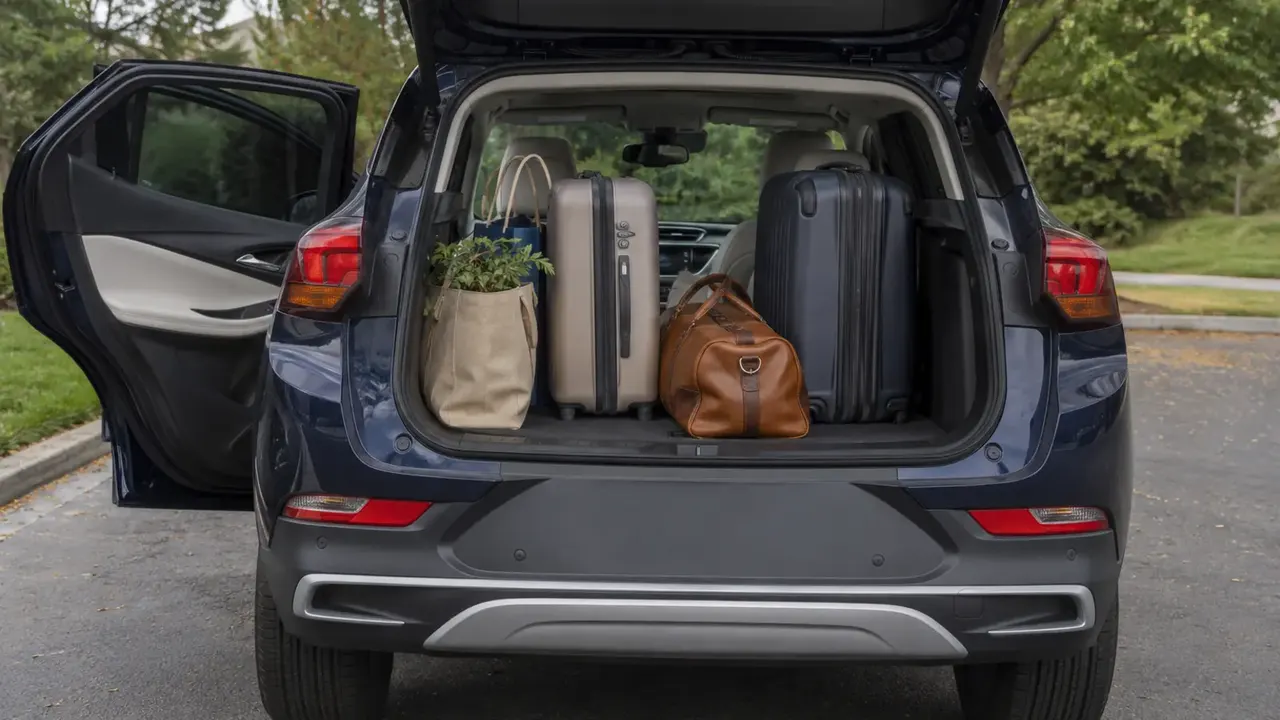
The headline advantage of a wagon over a sedan is the flat load floor and taller opening once the rear seats fold, which makes it far easier to carry flat-pack furniture, bikes, or camping gear than a trunk with a narrow pass-through. Compared with an equivalent SUV, a wagon usually gives up some outright height in the cargo area (harder to stand tall items upright) in exchange for a lower liftover height, which makes loading heavy items easier on your back.
Ride, handling, and fuel economy
Because most wagons share a sedan's suspension tuning and ride height, they typically handle more like a car than an SUV — flatter in corners, with less body roll. Fuel economy tends to sit between a comparable sedan and SUV, closer to the sedan, since the extra weight of the cargo area is modest compared with the added height, weight, and aerodynamic drag of a similarly sized SUV.
Wagon availability varies enormously by market — many midsize and performance wagons sold in Europe never officially reach North America, so confirm what's actually sold (and serviced) in your region before falling for photos of an import-only model.
All-wheel-drive and off-road-style wagons
Some manufacturers offer raised, cladded "crossover wagon" variants with all-wheel drive and extra ground clearance, aimed at buyers who want light all-weather capability without stepping up to a full SUV. These give up some of the low-center-of-gravity handling advantage of a standard wagon but still generally weigh less and sit lower than a comparable SUV.
- Want the best fuel economy and handling: a standard-height compact or midsize wagon is usually the sweet spot.
- Want light snow/gravel capability without SUV bulk: look at an all-wheel-drive crossover-style wagon.
- Want sports-car dynamics with family cargo space: a performance wagon delivers both but at a price and running-cost premium.
Frequently asked questions
Are wagons more fuel-efficient than SUVs?
Why are wagons less popular in the US than in Europe?
Do wagons have less cargo space than SUVs?
Can a wagon handle snow as well as an SUV?
Are performance wagons more expensive to maintain?
Sources & further reading
Figures, prices and policy details were current at the last-updated date above. Automotive pricing, incentives and regulations change frequently — verify time-sensitive details with the linked primary sources. Read our editorial policy and fact-checking standards.