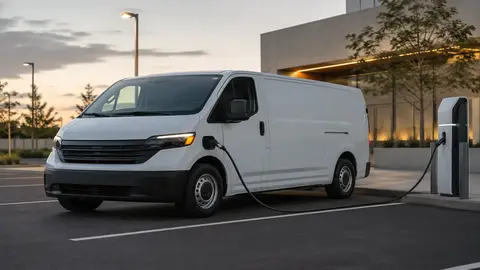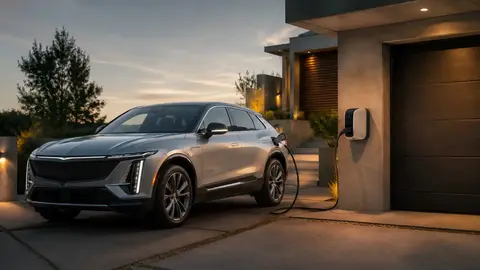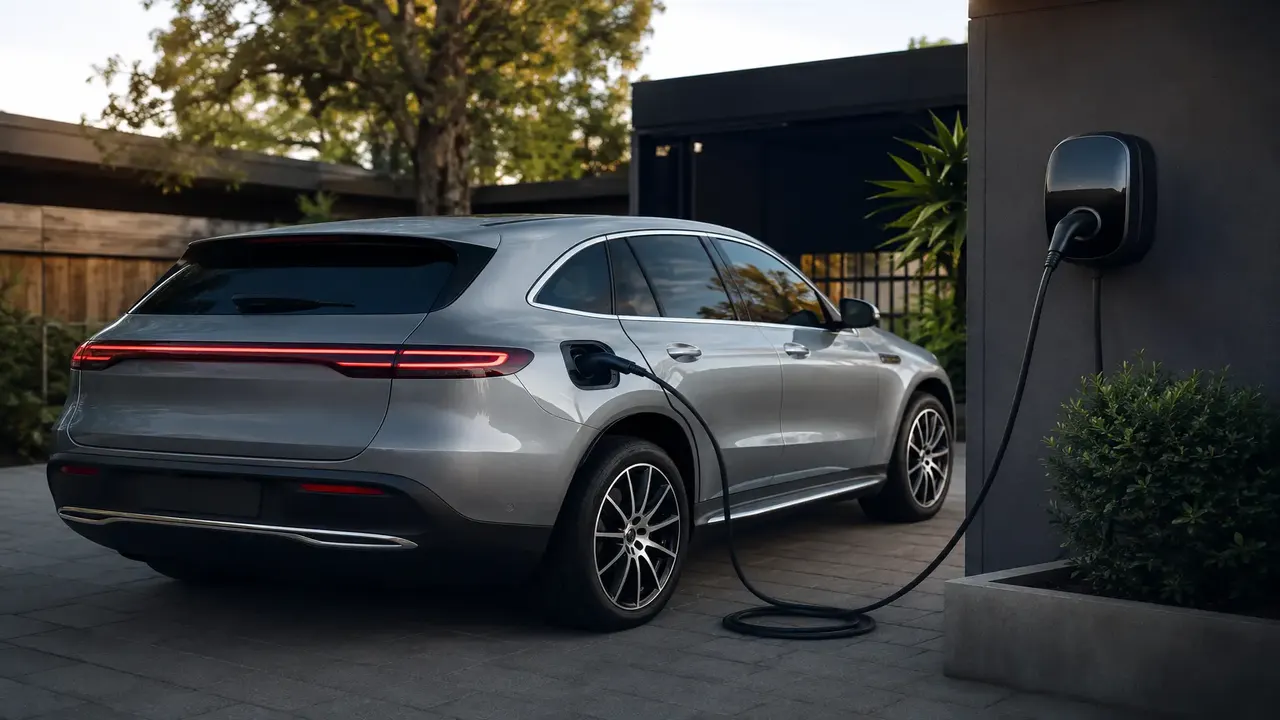
Yes, you can own an EV without a driveway — millions do. The trick is to build a routine around workplace charging (the quiet hero), public Level 2 charging during activities you already do (shopping, gym, errands), and occasional DC fast charging for top-ups. If your spot has a normal outlet, Level 1 charging adds about 40–50 miles overnight — enough for many drivers. Increasingly, right-to-charge laws and new building codes (California requires EV-ready parking in new residential units from 2026) make installing a charger at your space possible too.
Apartment charging options compared
| Option | Typical speed | Best for | Notes |
|---|---|---|---|
| Workplace charging | Level 2 (7–11 kW) | Daily/weekly top-ups | Treat like home charging if available |
| Public Level 2 | 12–40 mi/hr | Errands, overnight on-street | Use during things you already do |
| DC fast charging | 10–80% in ~20–40 min | Quick top-ups, trips | Costlier per kWh; not for daily use |
| Level 1 (3-pin outlet) | ~40–50 mi overnight | Low-mileage drivers | Fine if you have a nearby socket |
| Building/assigned charger | Level 2 | Best case if available | Check right-to-charge rules |
The mindset shift
Apartment EV ownership isn't about recreating the suburban home-charger setup. It's about designing a charging routine that matches where you already park, shop and work. Most apartment EV drivers rarely think about charging once they've found their rhythm — they top up during activities they'd do anyway. The question to answer before buying is simple: where will the car reliably get electricity each week?
Workplace charging: the quiet hero
If your employer, university or building offers charging, treat it as your primary source rather than a perk. It flips the equation: instead of hunting for charge every few days, you top up while parked at work and rarely think about it. Check with HR, facilities or the parking office about availability, cost and access. Even a few Level 2 sessions a week can cover a typical commute.
Public Level 2: charge while you live your life
Public Level 2 charging has improved sharply, and the smart approach is to pair it with things you already do. Many renters build a weekly habit — grocery run plus a charge, gym session plus a top-up, weekend coffee plus a fill. Apps like PlugShare, ChargePoint and EVgo show live availability, pricing and connector types. The aim is steady, low-effort top-ups rather than dramatic empty-to-full sessions.
DC fast charging: useful, but not daily
DC fast chargers take a modern EV from 10% to 80% in roughly 20–40 minutes — ideal for an occasional quick top-up or a road trip. But per-kWh costs are higher than home or Level 2, and heavy daily reliance erodes the running-cost advantage that makes EVs cheap to own. Use fast charging as a backstop, not your main method.
Level 1: don't dismiss the humble outlet
If your parking spot is near a standard outlet, a Level 1 charger (usually included with the car) adds roughly 40–50 miles of range overnight. For a driver covering under 40 miles a day, that quietly keeps the car topped up with zero special equipment. It's slow, but for low-mileage city drivers it can be all you need.
Many US states have 'right-to-charge' laws that limit a landlord's or HOA's ability to block a tenant or owner from installing charging at their parking space (at their own cost). From 2026, California requires new residential units with parking to include EV-ready infrastructure. In the UK, landlord permission and the EV chargepoint grant for renters/flat-owners can help. Always get written agreement before installing anything.
Choosing the right EV for apartment life
- Favour efficiency over maximum range: an efficient EV needs charging less often, which matters more when you can't plug in nightly.
- Pick fast AC charging: an 11 kW onboard charger fills faster on public Level 2 than a 7 kW one.
- Check connector and network fit: make sure the car works easily with the chargers near your home and work.
- Be realistic about mileage: high-mileage drivers without workplace charging will lean hard on public chargers — factor in the cost and time.
Building your weekly routine
- Map the Level 2 and fast chargers near home, work and your regular errands.
- Confirm whether workplace charging exists — if so, make it your anchor.
- Pick one or two reliable public chargers to pair with weekly activities.
- Keep the car between roughly 20% and 80% rather than chasing 100%.
- Keep a fast charger in mind as a backup for the weeks routine slips.
Frequently asked questions
Can I own an EV without a driveway or home charger?
Is public charging much more expensive than home charging?
How far does Level 1 charging get me overnight?
Can my landlord stop me installing a charger?
Which EV is best for apartment living?
Sources & further reading
Figures, prices and policy details were current at the last-updated date above. Automotive pricing, incentives and regulations change frequently — verify time-sensitive details with the linked primary sources. Read our editorial policy and fact-checking standards.