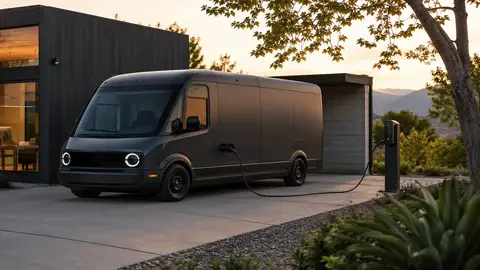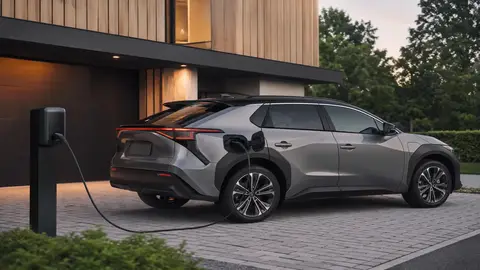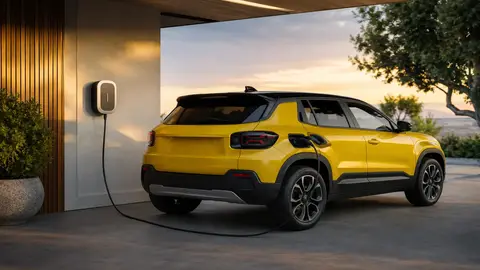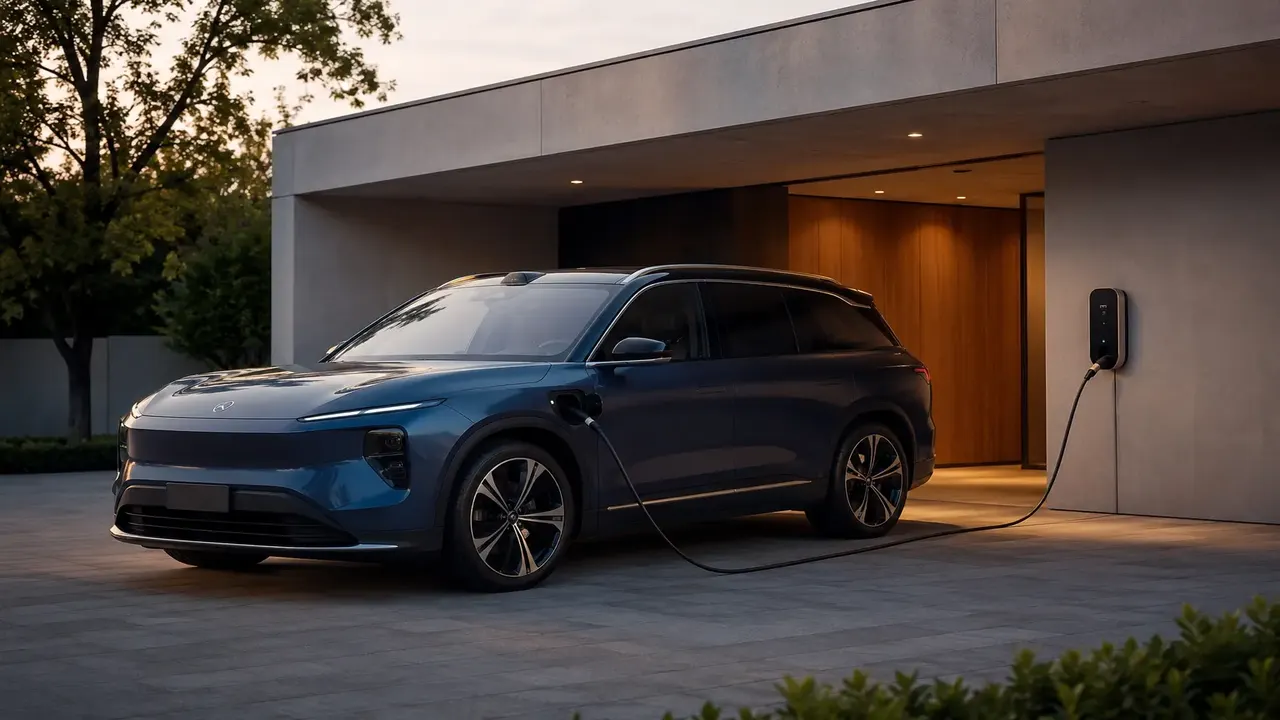
The golden rules of public charging: move your car promptly once it's done, don't camp on a fast charger to squeeze out the slow last 20%, and never unplug someone else's car unless you're certain it's finished and safe. Don't park a non-charging car (EV or petrol) in a charging-only space - blocking a charger with a gas car is called ICE-ing. Many networks now charge idle fees (by the minute) once your session ends to keep stalls free. On a busy fast charger, arrive around 10-20% and leave around 80%, where charging is fastest.
Public charging etiquette at a glance
| Situation | Do | Don't |
|---|---|---|
| Session finished | Move within 5-10 min if others wait | Leave the car parked at the stall |
| Busy fast charger | Stop around 80% and go | Wait out the slow final 20% |
| Someone's car is charging | Leave it alone | Unplug it (unless clearly done & safe) |
| Charging-only space | Park only to charge | ICE it (block with a non-charging car) |
| Broken stall | Report it via the app/network | Force the connector or block access |
Why charging etiquette matters
Public chargers - especially DC fast chargers on travel routes - are a shared, limited resource. A single inconsiderate driver can hold up several others. Good etiquette isn't about being nice; it's about keeping the network flowing so everyone gets charged and moving. As EV adoption grows, busy stations are more common, and the unwritten rules matter more than ever.
The core rules
- Move promptly when you're done
The single most common violation is leaving a car parked at a charger after the session ends. Aim to move within about 5-10 minutes of finishing when others are waiting. Set a notification on your car or the network app so you know when charging completes, and treat a fast charger as a refuelling stop, not a parking spot.
- Don't camp for the last 20%
Charging slows dramatically above 80%, so holding a fast charger to crawl from 80% to 100% while others wait is both selfish and slow. On a busy charger, plan to arrive around 10-20% and leave around 80% - that's usually the fastest way to travel anyway, and it frees the stall much sooner. Save the full charge for home or a quiet station.
- Never unplug someone else's car (usually)
As a rule, don't touch another person's vehicle or cable. Even if the screen says 'finished', many cars lock the connector, some owners rely on a buffer above 80%, and unplugging can trigger alarms or app alerts. Some stations have informal queue norms where a clearly finished, unlocked car may be moved or unplugged - but when in doubt, leave it alone and wait.
- Don't ICE a charging space
ICE-ing means parking an internal-combustion (gas) car in an EV charging-only spot, blocking it. The EV equivalent is 'hogging' - parking your EV in a charging stall without charging. Both deprive others of access and, in many places, can result in fines or towing. Only occupy a charging space when you're actually charging.
Idle fees and time limits
Because camping was such a problem, many networks now enforce idle fees: once your session ends, you're charged by the minute until you move the car. Rates vary by network and country (commonly a fraction of a unit of currency per minute, and higher when the site is busy). Some stations also impose time limits. These exist to keep stalls available - treat the warning as a prompt to move, not a fee to absorb.
What to do when a stall is broken
- Report it through the network's app or support line, with the stall number - this is how chargers get fixed.
- Don't force a damaged connector or try to make a faulty stall work; you risk damaging your car.
- Move to a working stall if one is free, and note alternatives in apps like PlugShare beforehand.
- Be patient and fair in a queue - informal first-come norms apply at busy sites.
Small courtesies that go a long way
- Return the cable to its holster neatly so it isn't left on the ground or damaged.
- Pull fully into the space so a neighbouring stall's cable can reach.
- If you see someone struggling, offer help with the app or adapter - the community runs on goodwill.
- Don't block thoroughfares or park across two charging bays.
- Leave the area as clean as you found it.
Treat a public charger like a fuel pump, not a parking space. Plug in, charge what you need (ideally to ~80% if others are waiting), and move on promptly. Almost every etiquette problem disappears if everyone does that.
Frequently asked questions
Is it rude to charge to 100% at a public station?
Can I unplug someone else's EV if it's finished charging?
What is ICE-ing?
What are idle fees at EV chargers?
What should I do if a charging stall is broken?
Sources & further reading
Figures, prices and policy details were current at the last-updated date above. Automotive pricing, incentives and regulations change frequently — verify time-sensitive details with the linked primary sources. Read our editorial policy and fact-checking standards.