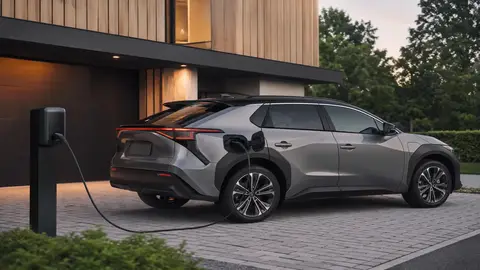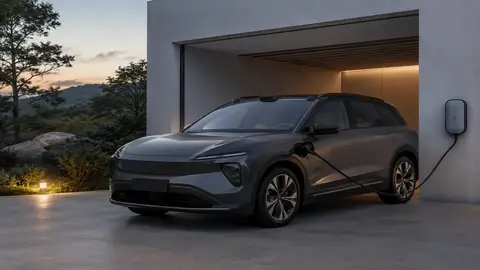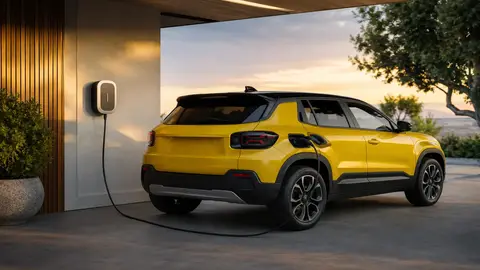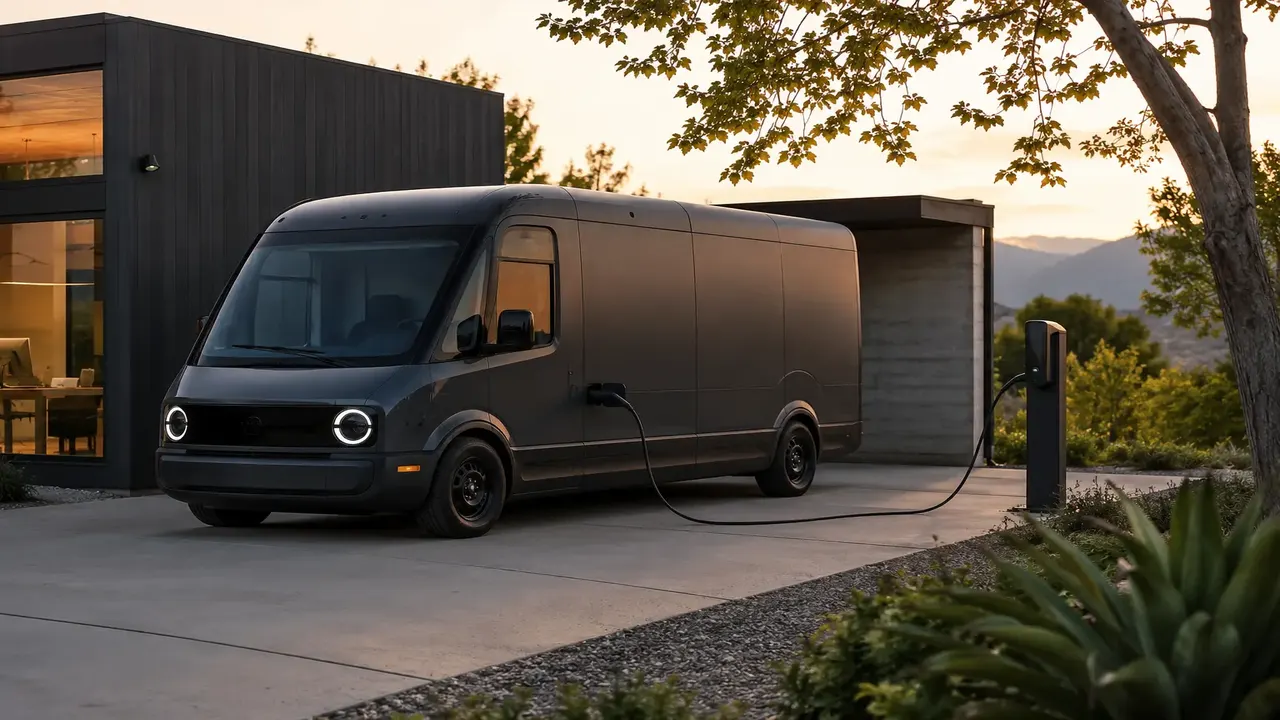
For most homes, the best home charger is a Level 2 (240V) unit rated 40-50 amps (about 9.6-11.5 kW) from a reputable brand. If you drive under ~50 miles a day, a 32-40A charger is plenty; heavy commuters and road-trippers benefit from 48-50A (which needs hardwiring). Prioritise: the correct connector for your region (in the US, NACS or J1772; in the UK/EU/India, Type 2), adjustable amperage, a sturdy weatherproof rating (look for NEMA 4/IP65+), and smart features like scheduling and load management if you want them. Popular 2026 picks span budget hardwired units (around $300-$400) to fully smart Wi-Fi models ($500-$800).
Home charger selection at a glance
| Decision | Typical answer | Why it matters |
|---|---|---|
| Charging level | Level 2 (240V) | 4-10x faster than a standard wall socket |
| Amperage | 32A daily driver / 48A heavy use | Sets your charging speed (and circuit size) |
| Connector (US) | NACS or J1772 | NACS is now the dominant US standard |
| Install type | Plug-in (NEMA 14-50) or hardwired | Hardwiring unlocks 48A+; plug-in is portable |
| Weather rating | NEMA 4 / IP65 or better | Required for outdoor mounting |
| Smart features | Scheduling, app, load mgmt | Optional, but useful for off-peak savings |
Start with the charging level
Almost every home charger worth buying is a Level 2 unit running on a 240V circuit. Level 1 (a standard household socket) adds only 3-5 miles of range per hour, which is fine for a plug-in hybrid but painfully slow for a full battery EV. A Level 2 wallbox adds roughly 25-40 miles of range per hour, which is what lets you start most days with a full battery. Unless you barely drive, buy Level 2.
How much amperage do you actually need?
Amperage determines speed. A charger's output is its amps multiplied by 240 volts, then derated to 80% for continuous use under electrical code. The practical tiers:
- 32A (~7.7 kW): adds roughly 25-30 miles per hour. Plenty for daily drivers covering under 50 miles a day, and it usually fits a smaller circuit.
- 40A (~9.6 kW): a common sweet spot - faster, still pluggable into a NEMA 14-50 outlet.
- 48A (~11.5 kW): the fastest most homes can support; requires a 60A hardwired circuit and suits heavy commuters or two-EV households.
Going beyond 48A at home rarely helps, because most cars' onboard AC chargers cap out around 11 kW. Match the charger to both your panel capacity and the car's onboard charger - paying for 80A you can never use is wasted money.
Connector type: get this right for your region
The plug must match your car (or come with an adapter):
- United States: NACS (the Tesla connector, now standardised as SAE J3400) has become the dominant US standard, with most 2025-2026 EVs adopting it. Older US EVs use J1772 for AC. Many chargers now ship in either a NACS or J1772 version, and adapters bridge the two.
- UK, Europe and India: Type 2 is the universal AC connector. This is what virtually all home wallboxes use in these markets.
Plug-in vs hardwired
Plug-in chargers connect to a NEMA 14-50 outlet, so you can unplug and take the unit with you or swap it easily - but plug-in installs are capped around 40A and frequent unplugging can wear the outlet. Hardwired chargers connect directly to the panel, can deliver up to 48A, and often avoid the pricey GFCI breaker that NEMA outlets require under current code. Choose plug-in for flexibility, hardwired for maximum speed and a cleaner install.
Smart features worth paying for
- Scheduled charging: start charging during cheap off-peak hours. This single feature can pay for a smart charger over time, especially on UK off-peak EV tariffs.
- App monitoring: track energy use and cost; useful for expensing or solar matching.
- Dynamic load management: lets the charger throttle back when the rest of the house draws heavily, avoiding a panel upgrade (see our load-management guide).
- Solar integration: some chargers read your home's solar export and charge only on surplus power.
- Wi-Fi vs no Wi-Fi: a 'dumb' charger is cheaper and more reliable; only buy smart features you will actually use.
Durability and safety
If the charger lives outdoors, check the weather rating - NEMA 4 or IP65 and above. Look for a built-in ground-fault protection (so you may not need an external GFCI breaker), a cable long enough to reach your charge port comfortably (18-25 ft is common), and certification by a recognised testing lab (UL in the US, or UKCA/CE marking in the UK and EU). Cold-weather cable flexibility matters in northern climates.
What to expect on price
| Tier | Typical hardware price | What you get |
|---|---|---|
| Budget | ~$300-$400 | Reliable, weatherproof, hardwired, no app |
| Mid-range | ~$400-$550 | Adjustable amps, basic app, Wi-Fi |
| Premium | ~$550-$800 | Full smart features, load management, solar |
Installation is separate and typically runs $400-$1,200 depending on your panel and wiring run. See our installation guide for the full breakdown.
In the US, the federal Alternative Fuel Refueling Property credit (Form 8911) can return 30% of home-charger hardware and install cost, up to $1,000, but it is scheduled to end on 30 June 2026 under the One Big Beautiful Bill Act - check current eligibility before you buy. The separate $7,500 new and $4,000 used EV purchase credits already ended on 30 September 2025. Many US utilities and UK/India schemes offer rebates; check locally.
Frequently asked questions
What amperage home charger should I buy?
Should I get a NACS or J1772 home charger in 2026?
Do I need a smart Wi-Fi charger?
How much does a good home EV charger cost?
Is a hardwired or plug-in charger better?
Sources & further reading
Figures, prices and policy details were current at the last-updated date above. Automotive pricing, incentives and regulations change frequently — verify time-sensitive details with the linked primary sources. Read our editorial policy and fact-checking standards.