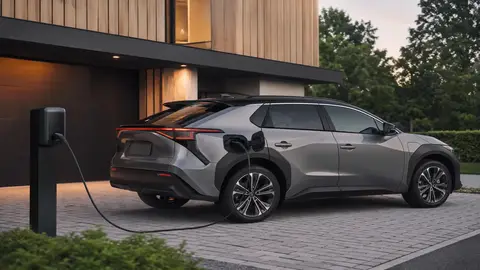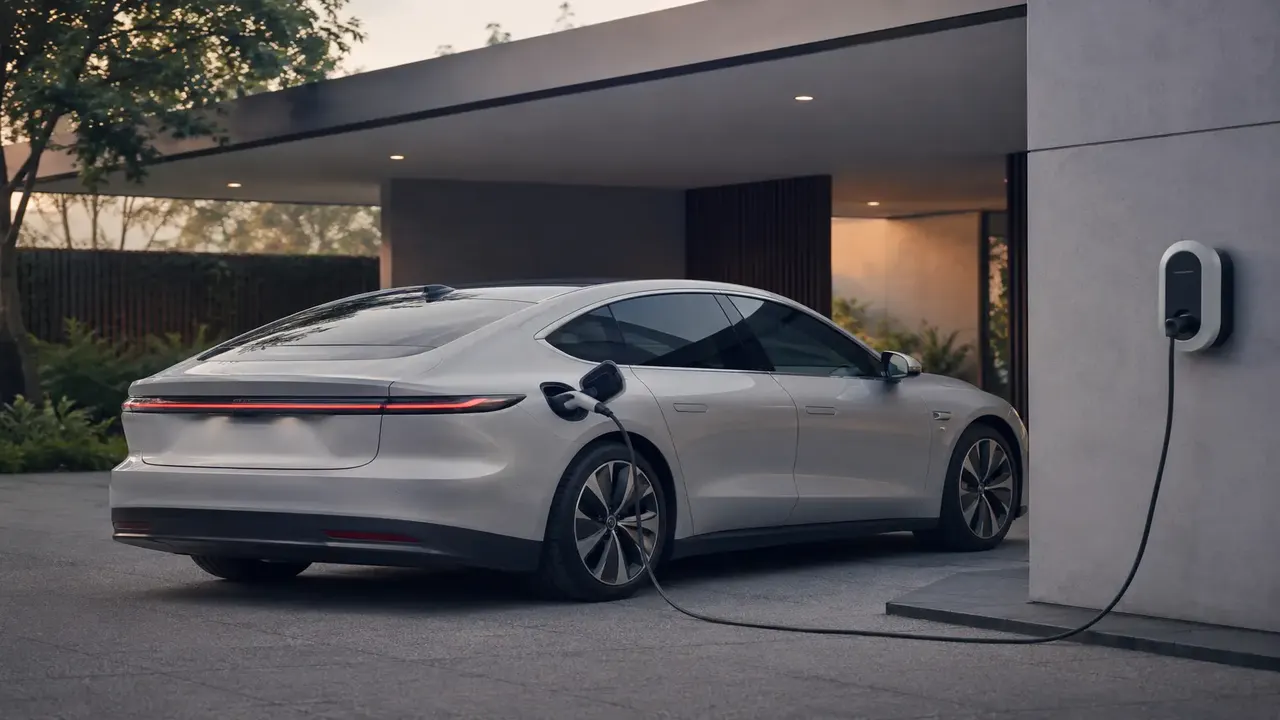
Charging at home is far cheaper than public fast charging. In 2026 the US average residential electricity rate is around 18-19 cents per kWh, so a full top-up of a typical EV costs roughly $10-$18 at home. Public DC fast charging averages around 45-50 cents per kWh - often 2 to 3 times the home cost - meaning the same energy can cost $25-$45+. The takeaway: do most charging at home (or on cheap off-peak tariffs), and use public fast charging mainly for road trips. Costs vary a lot by region, network and time of day.
EV charging cost comparison (2026, US averages)
| Charging type | Typical price per kWh | Cost to add ~250 mi | Best use |
|---|---|---|---|
| Home (standard rate) | ~18-19c | ~$10-$15 | Daily charging |
| Home (off-peak tariff) | ~8-14c | ~$5-$10 | Overnight scheduled charging |
| Public Level 2 (AC) | ~20-40c | ~$12-$25 | Workplace, shopping, overnight away |
| Public DC fast | ~45-50c | ~$25-$45+ | Road trips, quick top-ups |
Home charging: the cheapest option by far
For the great majority of owners, home charging is where the savings live. The US average residential electricity rate sat around 18-19 cents per kWh in 2026, though it ranges widely - from roughly 14-15 cents in low-cost states to nearly 30 cents in the priciest. At those rates, fully topping up a typical 60-80 kWh battery costs about $10-$18, and the per-mile cost is a fraction of petrol.
You can do even better with a time-of-use or dedicated EV tariff. Many utilities (and most UK suppliers) offer cheap overnight rates - sometimes 8-14 cents per kWh or lower - specifically to encourage charging when grid demand is low. Schedule charging for those hours and your fuel cost drops further.
Public charging: convenient but pricier
Public charging splits into two tiers. Public Level 2 (AC) chargers - at workplaces, shops and hotels - are slower and often cheaper, sometimes free, typically 20-40 cents per kWh when paid. Public DC fast chargers, the ones that refill you in 20-40 minutes on a trip, are the expensive tier, averaging around 45-50 cents per kWh, with some premium networks higher. That can be two to three times the cost of charging at home.
Pricing also varies by network - some flagship fast-charging networks price below the average, others above - and many add membership tiers that lower the per-kWh rate for a monthly fee. Some networks and regions bill by the minute rather than by energy, which changes the maths depending on how fast your car charges.
A realistic monthly comparison
For a driver covering about 1,000 miles a month (roughly 300-340 kWh of energy), the difference is stark:
| Charging mix | Approx. monthly energy cost | Notes |
|---|---|---|
| All home, standard rate | ~$60-$70 | The typical case for home-charging owners |
| All home, off-peak tariff | ~$30-$45 | With scheduled overnight charging |
| All public DC fast | ~$150-$170+ | Worst case - relying only on rapid charging |
| Mostly home, occasional fast | ~$70-$90 | Realistic for most owners |
The lesson is clear: an owner who can charge at home and uses public rapid charging only on trips pays a fraction of what someone relying entirely on public fast charging pays. Home-charging access is the single biggest factor in whether an EV is cheap to run.
How to keep your charging costs down
- Charge at home whenever you can - it's the cheapest energy by a wide margin.
- Use an off-peak or EV tariff and schedule charging for the cheap hours.
- Reserve DC fast charging for trips; use slower, cheaper Level 2 when you have time.
- Join networks you use often - membership tiers can cut the per-kWh rate.
- Charge to 80% on the road - the slow final fifth costs time and, on per-minute pricing, money.
- Consider solar - pairing home charging with rooftop solar can push your effective fuel cost close to zero (see our solar guide).
UK and India in brief
In the UK, home charging on a dedicated EV tariff can be very cheap on overnight rates (a few pence per kWh on the best plans), while public rapid charging is comparatively expensive and now carries VAT at the higher 20% rate versus 5% for home electricity. In India, per-unit electricity costs are low and home charging is inexpensive, though public fast-charging tariffs and availability vary by city and operator. In every market, the pattern holds: home charging is cheapest, public fast charging is the premium you pay for speed on the road. Always check your own local rates.
Frequently asked questions
Is it cheaper to charge an EV at home or in public?
How much does it cost to charge an EV at home per month?
Why is public fast charging so expensive?
How can I lower my EV charging costs?
Does charging to 100% cost more?
Sources & further reading
- Kelley Blue Book - How Much Does It Cost to Charge an EV?
- U.S. Energy Information Administration - Electricity rates
Figures, prices and policy details were current at the last-updated date above. Automotive pricing, incentives and regulations change frequently — verify time-sensitive details with the linked primary sources. Read our editorial policy and fact-checking standards.