The cars that come back
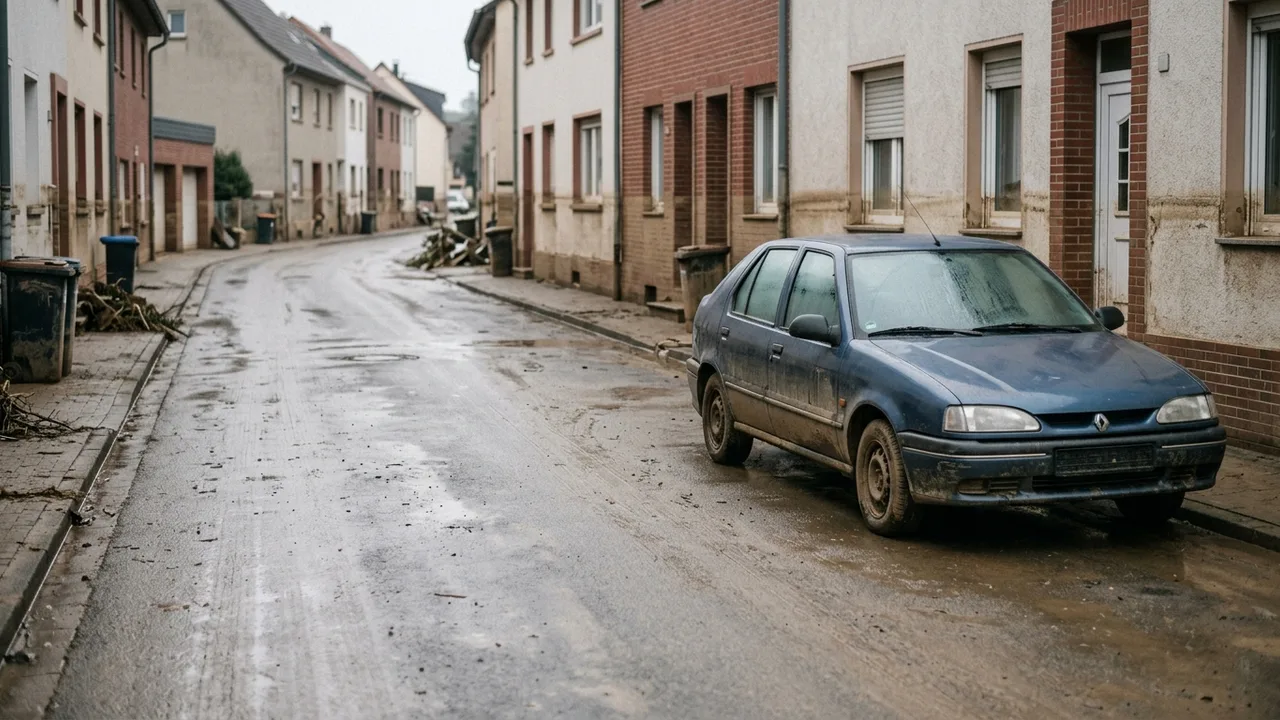
Every significant flood event destroys thousands of vehicles. Most are written off by insurers, sold to salvage, and legitimately dismantled for parts or scrapped.
Some reappear for sale, cleaned up, dried out, and — through a process that is sometimes legal and sometimes not — carrying a title that doesn't obviously disclose what happened to them.
This is how that trail works, and how not to end up at the end of it.
Why flood damage is uniquely bad
Flood damage is worse than most buyers assume, and worse than it looks:
1. It's progressive. Unlike collision damage, which is visible and finite, water damage keeps developing. Corrosion spreads through the loom, connectors degrade, and problems surface months or years after the vehicle appears fine.
2. It attacks electronics specifically. Modern cars contain dozens of control modules, sensors and connectors. Water contamination in a connector can produce faults that are extraordinarily difficult to diagnose — intermittent, migratory, and expensive.
3. Saltwater is dramatically worse than fresh. Coastal flooding accelerates corrosion enormously.
4. Safety systems are affected. Airbag modules, sensors and restraint systems are electronic and water-sensitive. A flood car may look and drive fine and fail to protect you in a crash.
5. It's genuinely hard to remediate. Drying an interior is straightforward. Removing water from every connector, module and cavity is not, and most "restored" flood cars have not had that done properly.
How a flood car reaches a forecourt
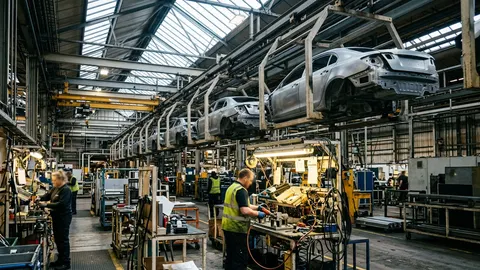
The legitimate process is clear: insurer writes off the vehicle, it goes to salvage auction, and it's bought for parts or scrap.
The problematic path exploits gaps between jurisdictions.
"Title washing" is the term for moving a vehicle between states or jurisdictions where branding rules differ, so that a salvage or flood designation is lost or diluted along the way. A car branded in one place can, through resale and re-registration elsewhere, acquire cleaner-looking paperwork.
Compounding factors:
- Not every flood-damaged car is branded. If it wasn't insured, or the owner didn't claim, no brand is applied.
- Enforcement varies across jurisdictions.
- Volume overwhelms scrutiny after major events.
- Time and distance obscure origin — a car sold two years later, three states away, tells no obvious story.
How to avoid buying one
1. Run the VIN through a history service — and use more than one. Databases have different coverage. A clean report from one service is not proof.
2. Check flood timing against the vehicle's location history. If a car was registered in a region during a major flood event, that's worth investigating.
3. Look and smell for the specific signs:
- Musty or heavily perfumed interior — air freshener used to mask odour
- Silt or grit in seat rails, under carpet, in the spare wheel well, or in the boot channels
- Water lines or staining in the boot, under the dash, or inside door cards
- Corrosion in unusual places — seat frames, bolt heads under carpet, inside the glovebox
- Mismatched or new carpet in an otherwise used car
- Moisture or condensation inside light units and instrument cluster
- Corroded or discoloured connectors under the dash and under the seats
4. Check electrical function comprehensively. Every window, every light, every seat motor, the infotainment, the climate system. Intermittent electrical faults are the signature.
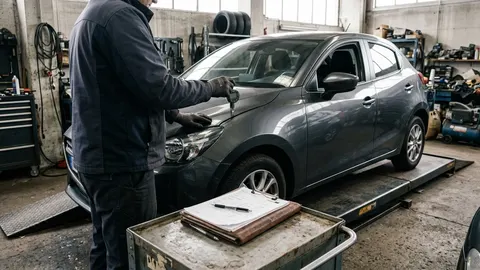
5. Get an independent inspection, and tell the inspector you're specifically concerned about flood damage. It changes what they look for.
6. Be suspicious of an unusually good price, an out-of-area seller, or paperwork that's recent relative to the car's age.
The honest framing
Most salvage vehicles are handled legitimately, and a branded title isn't automatically a warning to run — some lightly-damaged vehicles are properly repaired and honestly sold at a genuine discount.
The problem is undisclosed history. A buyer who knowingly purchases a repaired flood car at an appropriate price has made an informed choice. A buyer who unknowingly purchases one at full market value has been defrauded.
And the safety dimension matters most. As our Indian road safety investigation and our comparisons repeatedly argue, crash protection is the specification that matters most. A vehicle whose restraint electronics have been water-damaged may fail precisely when it's needed.
The bottom line
Flood-damaged cars are uniquely bad because the damage is progressive, electronic, hard to remediate and frequently invisible — and because a compromised safety system gives no warning until a crash.
Most reach salvage legitimately. Some re-enter the market through jurisdiction-hopping that dilutes or loses the brand, and volume after major flood events overwhelms scrutiny.
Protect yourself with the VIN check (plural — use several services), an inspection by someone told to look for flood damage specifically, and the physical signs: silt in the seat rails, corrosion in odd places, moisture in light units, and a musty smell under the air freshener.
And treat an unusually attractive price on a car with thin history as the warning it usually is.
Key takeaways
- Flood damage is uniquely bad because it's progressive — corrosion and electrical faults surface months or years later
- It attacks electronic safety systems specifically: a flood car may drive perfectly and fail to protect you in a crash
- Problem vehicles re-enter the market via "title washing" — moving between jurisdictions where branding rules differ
- Use multiple VIN history services — a clean report from one is not proof, as database coverage differs
- The physical signs: silt in seat rails and the spare wheel well, corrosion in unusual places, moisture in light units, and a musty smell under heavy air freshener
Sources & further reading
- Salvage title and vehicle branding frameworks
- flood damage assessment guidance
- consumer protection resources. Verified July 2026.
Figures, prices and policy details were current at the last-updated date above. Automotive pricing, incentives and regulations change frequently — verify time-sensitive details against the primary sources listed below. Read our editorial policy and fact-checking standards.