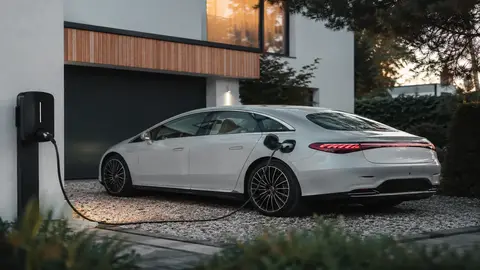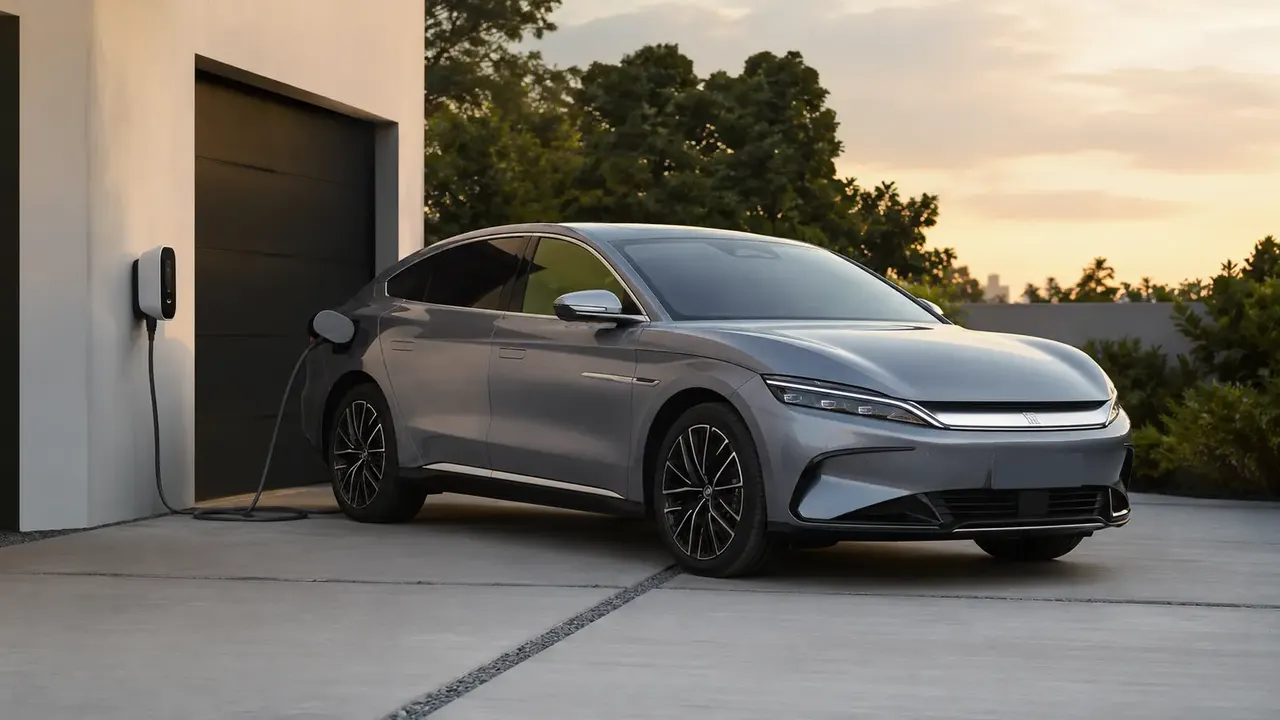
Tier-2 EV owners in this hub most commonly run home AC charging as their primary method (overnight, 6-8 hours for a full charge), since public fast-charging density in cities like Indore, Coimbatore and Nagpur remains far thinner than in Delhi, Bengaluru or Mumbai. The recurring theme across submissions: EVs work well for daily in-city commuting (typically under 60km/day) but need real planning for any intercity trip beyond roughly 150-200km.
At a glance
| Theme | What owners report |
|---|---|
| Primary charging method | Home AC overnight charging |
| Typical daily commute covered | Under 60 km/day |
| Public fast-charger density | Thin compared to metro cities |
| Comfortable intercity range without planning | ~150–200 km |
| Most-cited motivation to switch | Running cost vs petrol/diesel |
Why tier-2 stories matter separately
Most EV coverage in India focuses on Delhi, Mumbai and Bengaluru, where public charging networks are furthest along. This hub exists because the experience is genuinely different in tier-2 cities — Indore, Coimbatore, Nagpur, Bhopal, Kochi and similar — where home charging carries far more of the daily load and public infrastructure gaps show up fast on any trip out of town.
What early adopters are saying
"Charging at home overnight covers everything I need for work. The problem starts the day I want to drive to a neighbouring city and there's one fast charger, and it's sometimes occupied or down." — Tata Nexon EV owner, Indore, 2025.
"My electricity bill went up, but nowhere near what I was spending on petrol for the same commute. For pure city driving this has been an easy switch." — MG Comet EV owner, Coimbatore, 2026.
Recurring themes across submissions
- Home charging setup (a dedicated AC wallbox or even a standard socket) is treated as essential, not optional, given how sparse public charging still is outside major metros.
- Range anxiety is almost entirely an intercity-trip problem, not a daily-commute problem — in-city driving patterns in tier-2 cities rarely exceed the comfortable range of most current EVs.
- Apartment-dwelling owners without dedicated parking report the biggest friction, since installing home charging depends on housing society approval, which isn't always straightforward.
- Resale confidence is still building — several owners note they bought expecting to keep the car long-term rather than assuming a strong used-EV resale market locally.
Charging infrastructure gaps owners flag
- Fewer fast-charging corridors between tier-2 cities compared to the metro-to-metro highways, making one-day intercity round trips harder to plan confidently.
- Inconsistent charger uptime — several stories mention arriving to find a charger listed as available but out of service.
- Limited fast-charging at malls/commercial hubs compared to metro cities, so top-up charging while running errands is less reliable.
- Growing but uneven state-level EV policy support — incentives and charging rollout speed vary noticeably by state government.
Confirm you can install home charging (housing society approval, parking access) before ordering. Map the actual public fast-chargers on your most common intercity route — don't rely on an app listing alone; call ahead if possible.
Share your tier-2 EV story
This hub is actively looking for more submissions from cities beyond the current contributor base, since infrastructure and experience genuinely differ city to city. Submit through the community dashboard with your city, vehicle, and one honest account of what worked and what didn't.
Frequently asked questions
Is EV ownership realistic in tier-2 Indian cities right now?
Can I rely on public charging in a tier-2 city, or do I need home charging?
What's the biggest obstacle for apartment dwellers wanting an EV?
Do tier-2 EV owners save money compared to petrol?
Which EVs come up most often in tier-2 city stories?
Sources & further reading
- NITI Aayog — India EV adoption and infrastructure tracking
- Ministry of Heavy Industries — FAME India EV incentive scheme
Figures, prices and policy details were current at the last-updated date above. Automotive pricing, incentives and regulations change frequently — verify time-sensitive details with the linked primary sources. Read our editorial policy and fact-checking standards.