The number brochures quote and nobody verifies
Manufacturers publish service schedules and indicative costs. Almost nobody checks whether the invoice matches, and in India — where total cost of ownership often decides a purchase — that gap matters enormously.
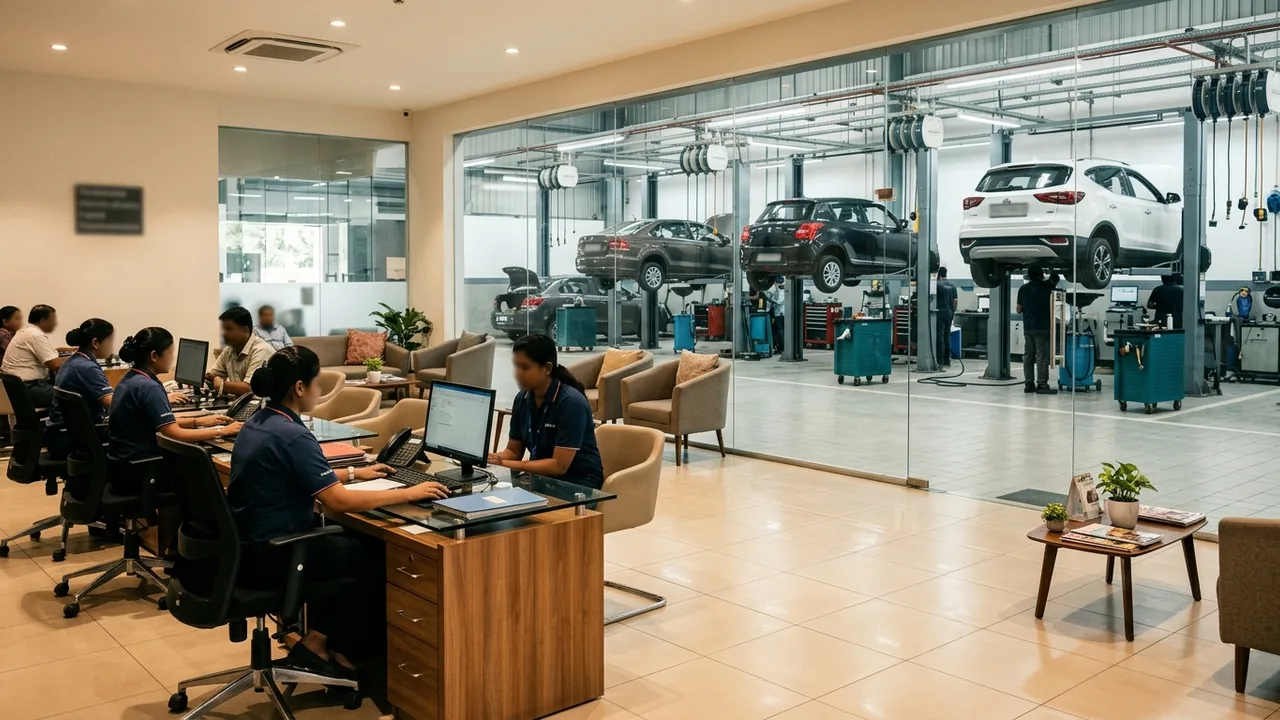
So we're publishing the full invoice, line by line, from our long-termer's 30,000-km service. What was scheduled, what was actually done, what was found, what was recommended, and what it all cost.
The service, itemised
| Line item | Scheduled? | Cost | |---|---|---| | Labour | | [to be logged] | | Engine oil / fluids | | [to be logged] | | Filters | | [to be logged] | | Brake inspection/service | | [to be logged] | | Other scheduled items | | [to be logged] | | Additional work identified | | [to be logged] | | Consumables replaced | | [to be logged] | | Taxes | | [to be logged] | | TOTAL | | [to be logged] |
| Metric | Result | |---|---| | Manufacturer's indicative cost | [to be recorded] | | Actual invoice | [to be logged] | | Difference | [to be logged] | | Time in workshop | [to be logged] | | Cumulative service spend to 30,000 km | [to be logged] | | Service cost per km to date | [to be logged] |
What they found
Populate from the actual service report. This section should cover:
1. Wear items at 30,000 km. Brakes, tyres, wipers, filters — what was at end of life, what was flagged as approaching it.
2. Anything unexpected. Issues the workshop identified that we hadn't noticed.
3. Recommendations we accepted and declined — and why. This matters, because service centres routinely recommend additional work, and a prospective buyer benefits from knowing which recommendations were genuinely necessary and which were optional.
4. Any warranty work performed at no cost.
The questions worth asking about any service
Our experience aside, these apply to every Indian owner:
1. Ask for the itemised estimate before work begins, not after. A verbal "around ₹X" is not an estimate.
2. Ask which recommended items are safety-critical, which are preventive, and which are optional. A good service advisor will distinguish clearly; a poor one will present all three as equally urgent.
3. Ask for old parts back where replaced. It's a reasonable request and it keeps everyone honest.
4. Check whether the work is covered by warranty before agreeing to pay.
5. Compare authorised versus independent for out-of-warranty vehicles. Authorised service protects warranty and resale documentation; independents are usually cheaper. For a car still under warranty, authorised is generally the right choice — the risk of a warranty dispute outweighs the saving.
6. Keep every invoice. In India, a complete authorised service history materially supports resale value — often by more than the servicing premium cost.
Special considerations by powertrain
For CNG vehicles (relevant to our Punch iCNG): additional requirements apply — spark plugs wear faster and need replacing every 15,000–20,000 km, and cylinder hydro-testing is mandatory every three years. Budget for both; they're genuine ownership costs that petrol owners don't face.
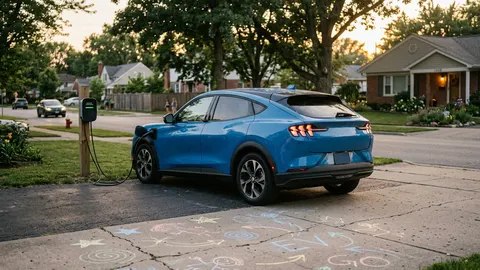
For EVs: the service picture is fundamentally different — no oil changes, no filters, no exhaust, and far less brake wear thanks to regeneration. Expect substantially lower scheduled costs, with the main items being brake fluid, cabin filter, tyres and coolant. This is one of the genuine ownership advantages of an EV, and it's under-quantified. Log it precisely.
What this tells a prospective buyer
1. Whether the manufacturer's indicative costs are realistic. If the invoice substantially exceeds the published figure, that's material to a purchase decision — and worth publishing plainly.
2. What the true cost per kilometre is, including servicing rather than just fuel.
3. Whether the dealer experience is good. Booking, communication, transparency, and whether the car came back clean and correct.
4. How service costs compare between powertrains — petrol, CNG and electric — which for an Indian buyer weighing running costs is genuinely decisive information.
The bottom line
Service costs are among the most under-verified figures in car ownership. Manufacturers publish indicative numbers; buyers discover the reality years later.
We're publishing the full invoice — every line, the total, the gap against the manufacturer's indication, and the cumulative service spend to 30,000 km.
The most useful thing we can offer is transparency, plus the practical guidance that applies to every service: get an itemised estimate first, ask which recommendations are genuinely necessary, keep every invoice, and stay with authorised service while under warranty.
Next service report at 45,000 km.
- We publish the full itemised invoice and compare it against the manufacturer's indicative cost — a figure almost nobody verifies
- We report which additional recommendations we accepted and declined, and why — service centres routinely suggest optional work
- Practical guidance: get an itemised estimate before work begins, ask which items are safety-critical versus optional, and keep every invoice
- CNG adds specific costs: spark plugs every 15,000–20,000 km and mandatory three-yearly hydro-testing
- EV servicing is substantially cheaper — no oil, filters or exhaust, and far less brake wear — and this advantage is under-quantified
Key takeaways
- We publish the full itemised invoice and compare it against the manufacturer's indicative cost — a figure almost nobody verifies
- We report which additional recommendations we accepted and declined, and why — service centres routinely suggest optional work
- Practical guidance: get an itemised estimate before work begins, ask which items are safety-critical versus optional, and keep every invoice
- CNG adds specific costs: spark plugs every 15,000–20,000 km and mandatory three-yearly hydro-testing
- EV servicing is substantially cheaper — no oil, filters or exhaust, and far less brake wear — and this advantage is under-quantified
Sources & further reading
- True Motion Auto long-term fleet logbook and service invoices. *Populate all logged figures before publication. Verified July 2026.*
Figures, prices and policy details were current at the last-updated date above. Automotive pricing, incentives and regulations change frequently — verify time-sensitive details with the linked primary sources. Read our editorial policy and fact-checking standards.