The update format
This is our first long-term milestone update, so it's worth setting out what these do.
An update logs reality. Not impressions — actual money spent, actual faults recorded, actual consumption measured. Every cost is published, including the ones that are inconvenient for the car.
Our standard update reports:
| Element | What we publish | |---|---| | Mileage covered | since introduction, and total | | Fuel or energy | measured consumption vs official figure, total spend | | Servicing | what was done, what it cost, what they found | | Consumables | tyres, wipers, fluids — with dates and costs | | Faults | every one, however minor, with resolution | | Cost per mile | the honest bottom line | | What we've learned | what a week-long test couldn't have told us |
The car at 10,000 miles
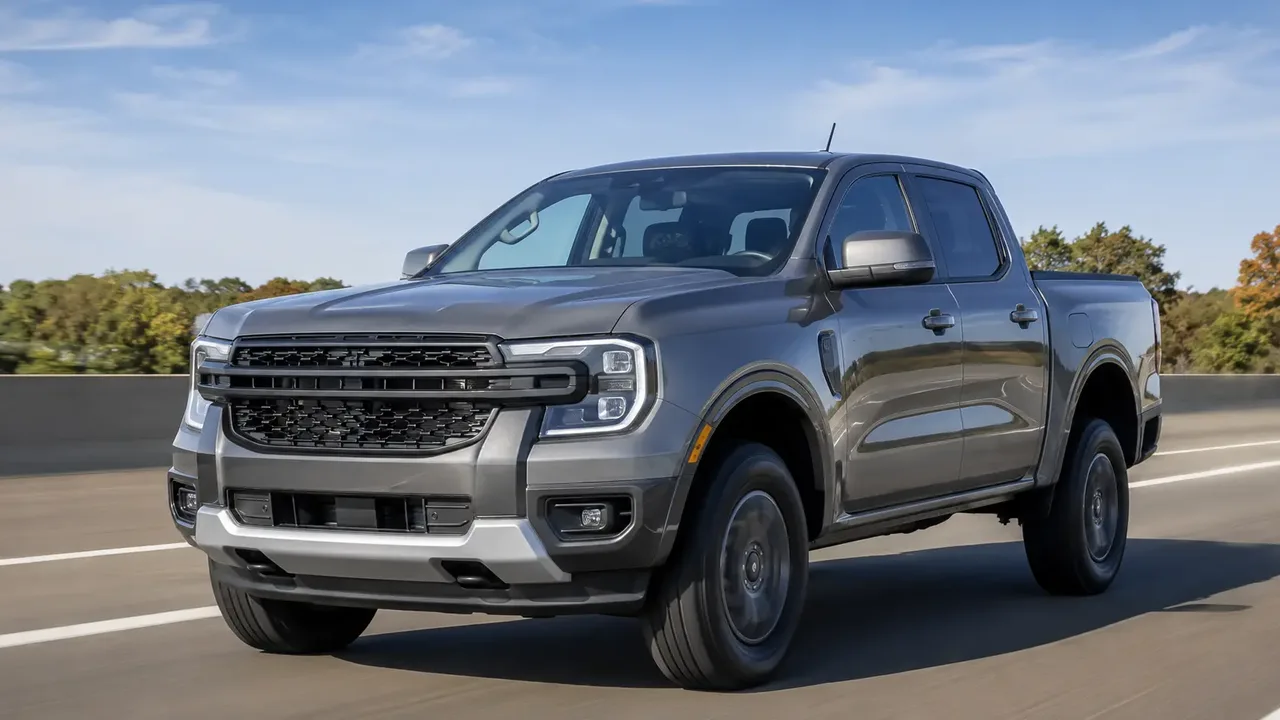
| | Our Ranger Raptor | |---|---| | Engine | 3.0-litre twin-turbo V6 EcoBoost | | Character | high-performance off-road pickup, Fox suspension | | Mileage at update | [to be logged] | | Miles since intro | [to be logged] | | Starting odometer | [to be logged] |
The running costs, logged
Fuel
| Metric | Figure | |---|---| | Official combined mpg | [to be recorded] | | Our measured average | [to be logged] | | Best tank | [to be logged] | | Worst tank | [to be logged] | | Total fuel spend | [to be logged] | | Fuel cost per mile | [to be logged] |
What we'd expect to report: a performance truck with a twin-turbo V6, aggressive off-road tyres and considerable mass will not match its official figure, and the gap typically widens with enthusiastic use. Log honestly, including the difference between gentle and spirited tanks — that spread is genuinely useful to a prospective buyer.
Servicing
| Service | Mileage | Cost | Findings | |---|---|---|---| | [to be logged] | | | |
Consumables — and the one that matters
| Item | Mileage | Cost | Notes | |---|---|---|---| | Tyres | [to be logged] | [to be logged] | the big one — see below | | Other | | | |
⚠️ Tyres are the cost nobody warns you about. A performance truck on aggressive all-terrain rubber, with substantial weight and enthusiastic use, wears tyres far faster than a normal vehicle — and replacements in this size and specification are expensive. We'd expect this to be the single largest non-fuel cost, and it's the one most likely to surprise a first-time Raptor owner. Log the exact mileage at replacement and the exact cost.
Faults and niggles
| Fault | Mileage | Resolution | Cost | |---|---|---|---| | [log every one, however minor] | | | |
The bottom line so far
| Metric | Figure | |---|---| | Total spend to date | [to be logged] | | Cost per mile | [to be logged] | | Unscheduled workshop visits | [to be logged] |
What 10,000 miles has taught us
Populate from your own experience. The framework below is what this section should cover:
1. The gap between official and real fuel economy — and how much driving style moves it.
2. Whether the off-road capability gets used. An honest observation most reviews avoid: most performance off-road trucks never leave tarmac. If ours hasn't, we should say so, because it changes the value calculation entirely — you're paying for Fox dampers and aggressive tyres you may only experience as ride harshness and tyre noise.
3. What it's like as a daily vehicle. Parking, fuel stops, manoeuvrability, and whether the compromises grate.
4. Any pattern in the faults. One-offs are normal; patterns matter.
5. What we'd tell a prospective buyer — the practical advice that only emerges from living with it.
The honest question at 10,000 miles
For a vehicle like this, the most useful thing we can report is whether the running costs match the buyer's expectations.
A Ranger Raptor buyer expects to spend money on fuel — that's understood. What catches people out is the consumables: tyres, brakes, and the accelerated wear that comes from mass plus performance plus aggressive rubber. If our logged costs show that clearly, this update has done its job.
The bottom line
Ten thousand miles is where a long-term test starts producing genuinely useful data — enough distance for real consumption averages, a first service, and early consumable wear.
Every figure above must come from the logbook, and the most valuable thing we can offer a prospective buyer isn't whether the Raptor is good — our reviews cover that — but what it actually costs to own, including the expenses nobody mentions in the brochure.
Next update at 20,000 miles.
- This establishes our update format: logged costs, every fault recorded, cost per mile published — reality rather than impressions
- Fuel economy on a performance truck will trail the official figure, and we log the spread between gentle and spirited tanks
- Tyres are the cost that surprises Raptor buyers — mass plus performance plus aggressive rubber accelerates wear substantially
- We report an honest observation most reviews avoid: whether the off-road capability actually gets used, since that changes the value calculation
- Every figure comes from the logbook; the goal is telling buyers what ownership genuinely costs, not what the brochure implies
Key takeaways
- This establishes our update format: logged costs, every fault recorded, cost per mile published — reality rather than impressions
- Fuel economy on a performance truck will trail the official figure, and we log the spread between gentle and spirited tanks
- Tyres are the cost that surprises Raptor buyers — mass plus performance plus aggressive rubber accelerates wear substantially
- We report an honest observation most reviews avoid: whether the off-road capability actually gets used, since that changes the value calculation
- Every figure comes from the logbook; the goal is telling buyers what ownership genuinely costs, not what the brochure implies
Sources & further reading
- True Motion Auto long-term fleet logbook
- Ford specifications. *Populate all logged figures before publication. Verified July 2026.*
Figures, prices and policy details were current at the last-updated date above. Automotive pricing, incentives and regulations change frequently — verify time-sensitive details with the linked primary sources. Read our editorial policy and fact-checking standards.