The test Indian EV buyers actually worry about
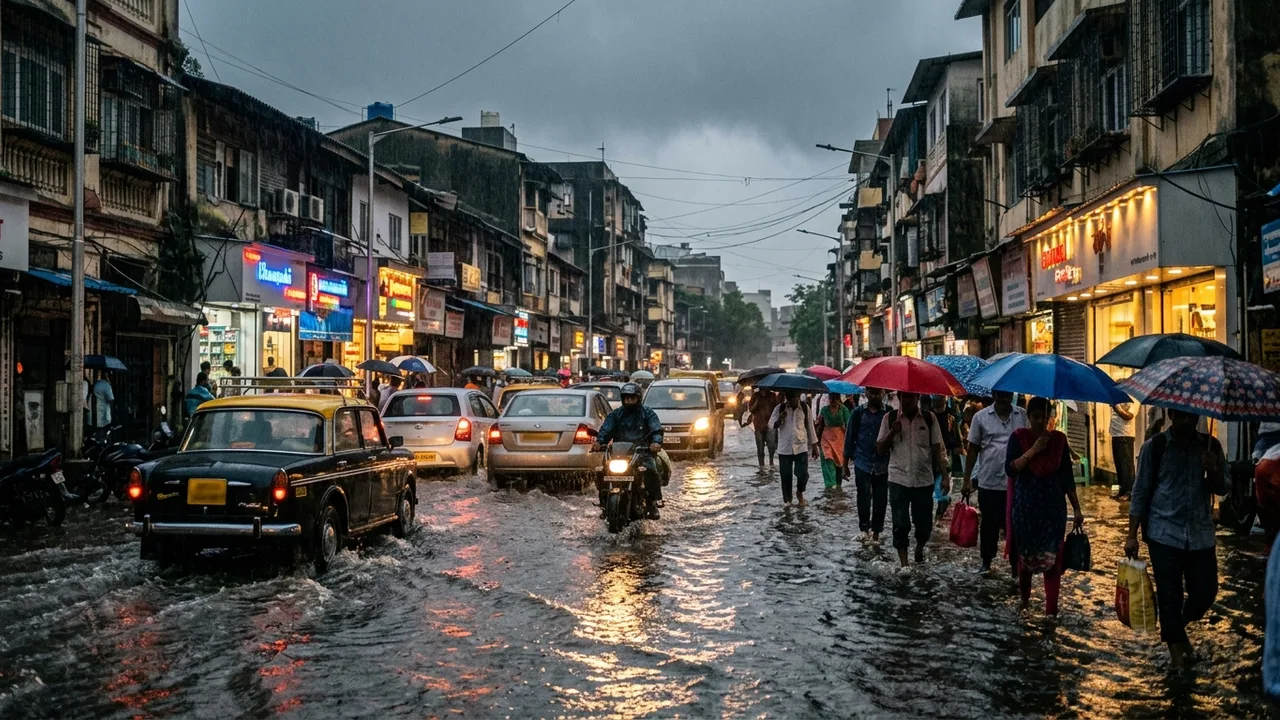
Ask an Indian buyer what concerns them about electric cars and range comes up. Ask again and monsoon comes up — specifically, the anxiety about a battery-powered vehicle in waterlogged streets.
It's a reasonable worry to voice and an under-reported one. Mumbai's monsoon produces genuine flooding, and every year images circulate of vehicles submerged to their door handles. What actually happens to an EV in that environment?
This report covers our long-termer through Mumbai's wettest weeks.
What we expected to matter
The engineering context first, because it's reassuring and poorly understood:
EV battery packs are sealed and rated for water ingress. Manufacturers test to established ingress-protection standards, and the pack, motor and high-voltage systems are designed to be sealed against exactly this. In principle, an EV is arguably better suited to shallow water than a combustion car, which can suffer catastrophic hydrolock if water enters the air intake — an EV has no air intake to flood.
But that's the theory. What matters is what happens over weeks of real monsoon use, and there are genuine practical concerns worth reporting honestly:
- Charging in wet conditions — is it safe and does it work reliably?
- Water depth judgement — how deep is too deep, and what does the manufacturer actually say?
- Cabin humidity and demisting — a real daily annoyance
- Electrical systems and connectors beyond the battery
- Range impact — wet roads increase rolling resistance, and demisting draws power
What we logged
| Metric | Result | |---|---| | Period covered | [to be logged] | | Rainfall context | [to be logged] | | Deepest water encountered | [to be logged] | | Any water-related faults | [to be logged] | | Charging issues in wet conditions | [to be logged] | | Range impact vs dry conditions | [to be logged] | | Demisting/humidity performance | [to be logged] | | Unscheduled workshop visits | [to be logged] |
The practical findings
Populate from your own logged experience. This section should cover:
1. Did anything actually go wrong? The most important line in this report. Report it plainly either way — no drama if nothing happened, and full detail if it did.
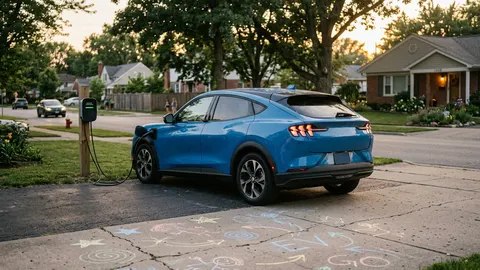
2. Charging in the wet. Whether home and public charging worked reliably in heavy rain, and whether anything felt uncomfortable in practice.
3. Range through monsoon. Wet roads increase rolling resistance and demisting draws power. Our range testing framework applies — measure against your dry-condition baseline.
4. The humidity reality. Indian monsoon means persistent cabin humidity. How well did the climate system cope, and did demisting keep up?
5. Regenerative braking on wet roads. Worth noting whether regen behaved predictably in low-grip conditions.
What every Indian EV owner should know about deep water
Regardless of what our car did, this guidance stands:
1. Know your manufacturer's stated wading depth, and treat it as an absolute limit rather than a target. It's in the owner's manual, and most owners have never looked.
2. Never drive into water of unknown depth. This applies to every vehicle. The risk isn't only the powertrain — it's flooding the cabin, damaging interior electronics, and the very real possibility of being stranded in rising water.
3. If water reaches the door sills, stop. Turn around. No journey is worth it.
4. After deep-water driving, get the vehicle checked, even if nothing appears wrong. Water ingress into connectors or the cabin can cause problems that surface weeks later.
5. Insurance matters. Confirm your policy covers flood damage — many standard Indian policies require add-on engine/electrical protection cover. Check this before monsoon, not during it.
6. Charge in sheltered conditions where possible. Charging equipment is designed for outdoor use, but sheltered charging is sensible practice.
7. Don't panic about ordinary rain. Normal wet-weather driving is entirely routine for an EV. The concern is standing water and flooding, not rainfall.
The honest framing
We should be careful not to overclaim in either direction.
Reporting "our EV was fine through monsoon" doesn't prove EVs are immune to flood damage — a severely flooded vehicle of any powertrain is likely to suffer significant damage, and no responsible report should suggest otherwise.
Equally, we shouldn't feed anxiety that the engineering doesn't support. Sealed battery packs are genuinely well-protected against the water exposure of normal monsoon driving, and the routine wet-weather anxiety many Indian buyers feel is largely unwarranted.
The honest summary: normal monsoon driving is a non-event. Deep standing water is dangerous for any car, and an EV is no exception.
The bottom line
Monsoon is the hardest environmental test an Indian car faces, and EV buyers carry specific anxieties about it — some warranted, most not.
Our report logs what genuinely happened over Mumbai's wettest weeks: whether anything failed, how charging behaved in the wet, and what the range cost was.
But the guidance matters more than our individual experience: know your wading depth, never enter water of unknown depth, stop if it reaches the sills, check your flood insurance cover before monsoon, and get the car inspected after any deep-water driving.
Do those things and monsoon EV ownership is genuinely unremarkable — which is, itself, the most useful finding we can offer.
- EV battery packs are sealed and rated for water ingress; an EV has no air intake to hydrolock, unlike a combustion car
- Normal monsoon driving is routine for an EV — the risk is deep standing water, which endangers any vehicle
- Essential guidance: know your stated wading depth, never enter water of unknown depth, and stop if water reaches the door sills
- Check that your Indian insurance policy covers flood damage before monsoon — many require add-on engine/electrical protection
- After any deep-water driving, have the vehicle inspected even if nothing seems wrong — ingress problems can surface weeks later
Key takeaways
- EV battery packs are sealed and rated for water ingress; an EV has no air intake to hydrolock, unlike a combustion car
- Normal monsoon driving is routine for an EV — the risk is deep standing water, which endangers any vehicle
- Essential guidance: know your stated wading depth, never enter water of unknown depth, and stop if water reaches the door sills
- Check that your Indian insurance policy covers flood damage before monsoon — many require add-on engine/electrical protection
- After any deep-water driving, have the vehicle inspected even if nothing seems wrong — ingress problems can surface weeks later
Sources & further reading
- True Motion Auto long-term fleet logbook
- EV ingress-protection standards
- Indian monsoon driving guidance. *Populate all logged figures before publication. Verified July 2026.*
Figures, prices and policy details were current at the last-updated date above. Automotive pricing, incentives and regulations change frequently — verify time-sensitive details with the linked primary sources. Read our editorial policy and fact-checking standards.