The biggest cost nobody talks about
Ask most owners what their car costs and they'll cite fuel. Fuel is rarely the largest expense. Depreciation almost always is.
A car losing £6,000 in its first year costs its owner far more than the fuel it burned — and yet depreciation is discussed vaguely, in terms of "good resale" and "holds its value," almost never in actual numbers.
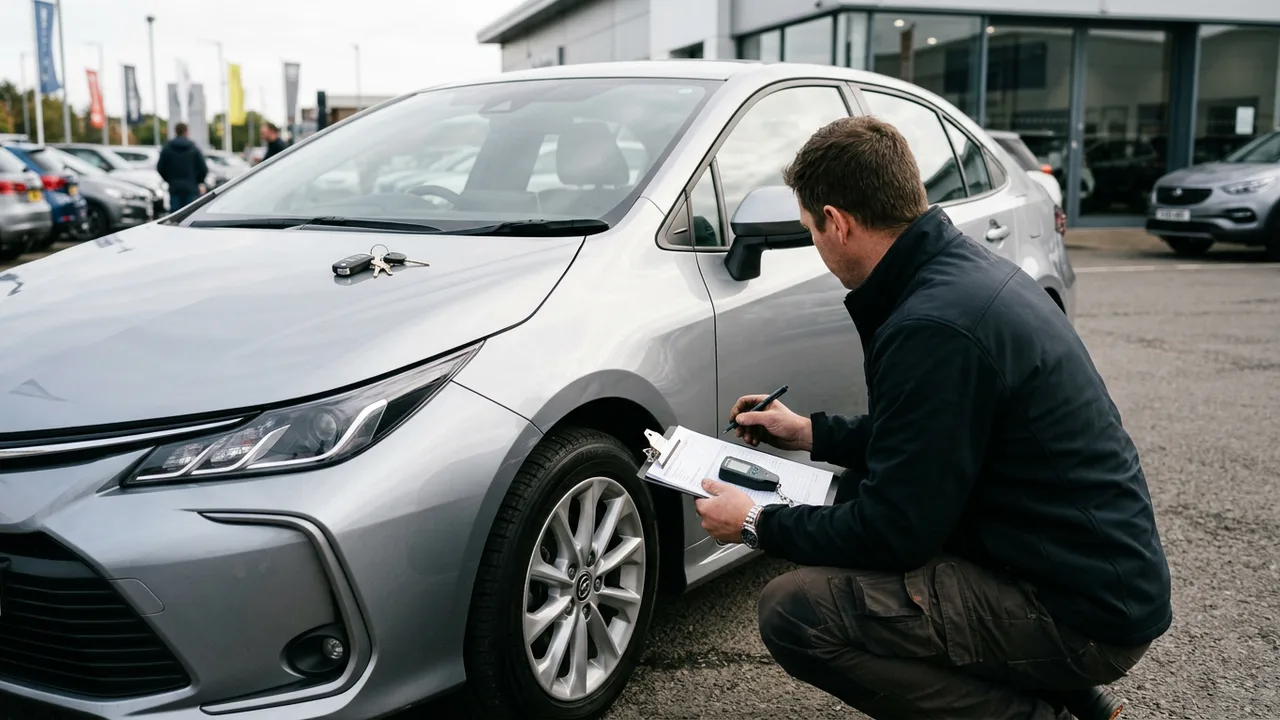
So we got real valuations on our year-old fleet. Not guides, not estimates — actual trade-in offers and market valuations, which is what an owner would genuinely receive.
What we logged
| Car | Purchase price | Mileage | Valuation now | £/$/₹ lost | % retained | |---|---|---|---|---|---| | [log each fleet car] | | | | | |
Valuation method: we obtained [trade-in offers / market valuations / both] from [sources] on [date], at the mileage stated. Trade-in and private-sale values differ significantly — we've noted which is which, because conflating them overstates what an owner actually receives.
What drives the spread
Depreciation varies enormously between cars, and the drivers are reasonably predictable:
1. Brand and reputation. As our comparisons repeatedly noted, strong resale is real money. A Toyota RAV4 or Maruti product can cost less to own over five years than a cheaper rival that depreciates faster. This is the single most under-weighted factor in car buying.
2. Supply and demand. Cars with waiting lists hold value; cars sitting on forecourts with heavy discounts do not. Manufacturer discounting is the enemy of your residual — a car that's heavily discounted new is worth less used, because that's the new-car price it's competing against.
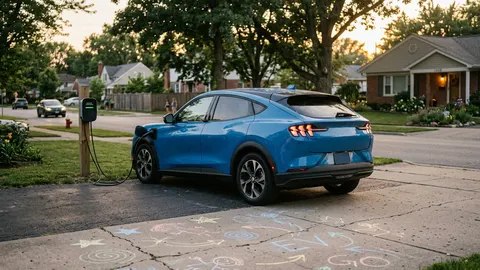
3. Powertrain. EV residuals have been genuinely volatile as the market matures, battery technology improves rapidly, and new models undercut old ones. This is a real financial risk for EV buyers and deserves stating plainly.
4. Fuel and running costs. Efficient cars hold value better when fuel is expensive.
5. Specification. Well-chosen options help; unusual colours and niche specs hurt.
6. Condition, history and mileage. Full service history materially supports value — particularly in India, where authorised service documentation is genuinely valuable at resale.
The EV depreciation question
This deserves direct treatment because it's the most consequential residual question in the current market.
EV residuals have been volatile, and for understandable reasons:
- Rapid technological improvement. A three-year-old EV competes against new models with substantially better range and charging — as our BMW i3 coverage illustrated, a 400 kW-charging, 559-mile car reframes what older EVs are worth.
- Battery health uncertainty makes used buyers cautious, and caution suppresses prices. As our used-EV guidance stressed, a battery health report is non-negotiable — and the fact buyers need one at all depresses values.
- New-car price cuts hit used values immediately and hard.
- Incentives and grants on new cars effectively lower the price a used one competes against.
The honest implication for buyers: if you're buying an EV new and plan to sell within three years, depreciation risk is genuine and should be part of your calculation. If you plan to keep it long-term, it matters far less — and the lower running costs accumulate in your favour.
This is also the strongest argument for buying a used EV, as our Bolt-versus-used-Model-3 comparison explored: someone else absorbed the volatility, and you benefit — provided you get the battery checked.
What this means for buyers
1. Factor depreciation into total cost of ownership, not just purchase price. A car costing more but retaining value can be cheaper to own. This is the calculation most buyers never do.
2. Check residual forecasts before buying, particularly for EVs and newer brands. As our budget SUV and premium EV comparisons noted, unproven residuals are a genuine risk with unfamiliar marques — and at premium prices the absolute numbers are large.
3. Beware heavy new-car discounting. If a car is discounted heavily new, its used value will reflect that.
4. Keep the service history complete. It's the cheapest thing you can do to protect value.
5. If you keep cars a long time, depreciation matters less — and the calculus shifts toward running costs and reliability instead.
6. Trade-in versus private sale is a significant gap. Know which figure you're looking at before making decisions based on it.
The bottom line
Depreciation is the largest cost of car ownership and the least examined. We've published real valuations on our year-old fleet — actual offers, at stated mileages, on a stated date — because vague talk of "good resale" helps nobody.
The spread between cars is enormous, and it's driven by predictable factors: brand strength, supply and demand, powertrain, discounting and condition.
For EV buyers specifically, residual volatility is a genuine risk worth planning around — either by keeping the car long enough for running costs to compensate, or by buying used and letting someone else absorb it.
The practical instruction is simple: calculate total cost of ownership, not purchase price. It's the single most valuable habit a car buyer can develop, and almost nobody does it.
- Depreciation is usually the largest ownership cost and the least discussed — typically exceeding fuel by a wide margin
- We publish real valuations — actual trade-in offers and market values at stated mileages — not guide estimates
- Strong resale is real money: a car costing more can be cheaper to own over five years than a faster-depreciating rival
- EV residuals have been genuinely volatile — rapid technological improvement, battery-health caution and new-car price cuts all suppress used values
- The practical habit: calculate total cost of ownership rather than purchase price — and note that trade-in and private-sale figures differ significantly
Key takeaways
- Depreciation is usually the largest ownership cost and the least discussed — typically exceeding fuel by a wide margin
- We publish real valuations — actual trade-in offers and market values at stated mileages — not guide estimates
- Strong resale is real money: a car costing more can be cheaper to own over five years than a faster-depreciating rival
- EV residuals have been genuinely volatile — rapid technological improvement, battery-health caution and new-car price cuts all suppress used values
- The practical habit: calculate total cost of ownership rather than purchase price — and note that trade-in and private-sale figures differ significantly
Sources & further reading
- True Motion Auto long-term fleet valuations
- used market analysis
- residual value data. *Populate all valuations before publication. Verified July 2026.*
Figures, prices and policy details were current at the last-updated date above. Automotive pricing, incentives and regulations change frequently — verify time-sensitive details with the linked primary sources. Read our editorial policy and fact-checking standards.