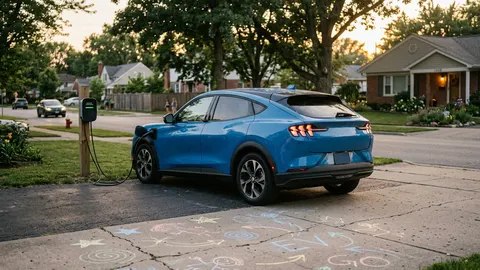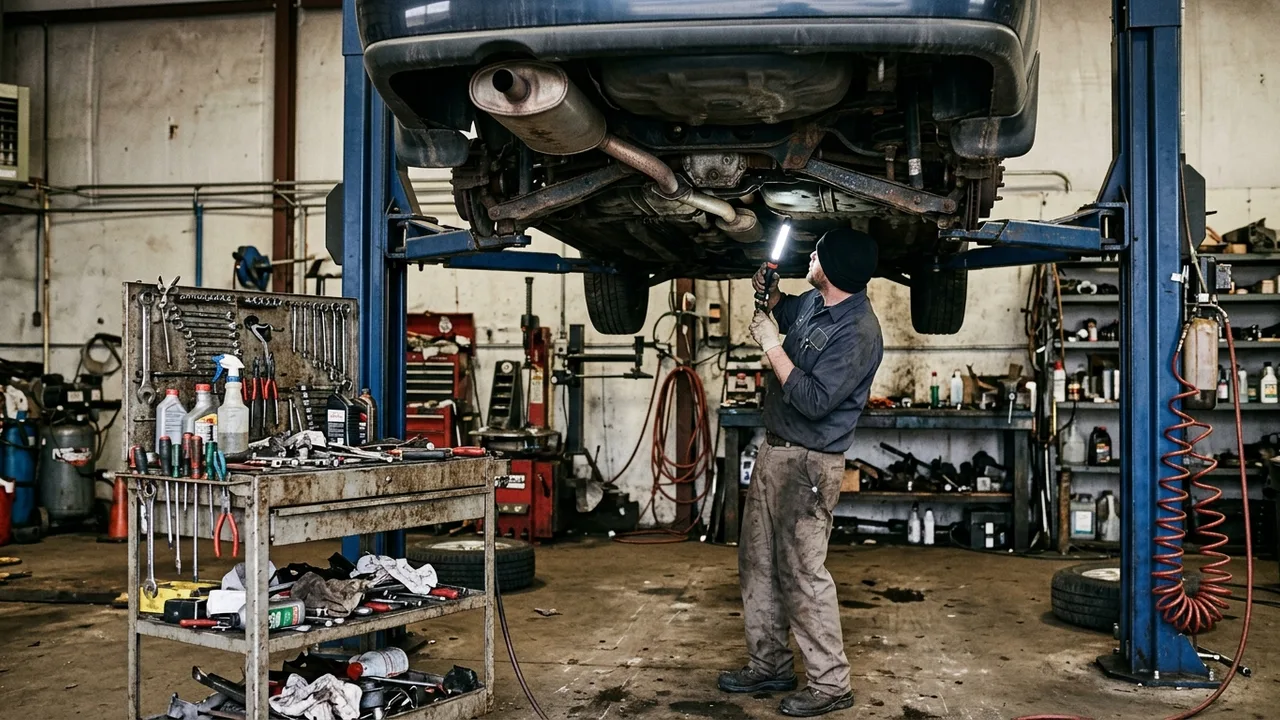
Why we log everything
Car reviews systematically under-report faults. Press cars are freshly prepared, tested for a week, and returned before anything develops. Minor problems — a rattle, a glitching screen, a trim panel that never quite fit — are exactly what a short test cannot find and exactly what ownership actually feels like.
So our long-term fleet logs every fault, however trivial. No filtering, no "it's probably nothing," no leaving out the embarrassing ones. If a piece of trim buzzes at 70 mph, it goes in the log.
This report covers six months across the fleet.
What counts as a fault
We deliberately set the bar low, because minor irritations compound:
| Category | Examples | |---|---| | Mechanical | anything that doesn't work as designed | | Electrical | glitches, warnings, connectivity dropouts | | Software | crashes, freezes, features that stop working after updates | | Trim and NVH | rattles, squeaks, buzzes, loose panels | | Build quality | poor fit, paint defects, premature wear | | Ergonomic annoyances | logged separately — a design flaw isn't a fault, but it matters |
The log
| Car | Mileage | Fault | Severity | Resolution | Cost | Days off road | |---|---|---|---|---|---|---| | [log every entry] | | | | | | |
Severity scale:
- 🟢 Minor — irritating, doesn't affect function
- 🟠 Moderate — affects usability, not safety
- 🔴 Major — affects function or safety, requires immediate attention
Dealer visits
| Car | Date | Reason | Scheduled? | Outcome | Cost | Experience | |---|---|---|---|---|---|---| | [log every visit] | | | | | | |
We rate the dealer experience too, because it's a genuine part of ownership and almost never covered. Was the booking easy? Was the diagnosis right first time? Was the car returned clean? Was the problem actually fixed?
What the pattern tells you
Populate from your own logs. This analysis section should address:
1. One-offs versus patterns. A single fault is normal — every car has them. The same fault recurring, or multiple faults in one system, is a pattern, and that distinction is the most useful thing this log produces.
2. Whether faults were fixed first time. A minor fault fixed promptly is a non-event. The same minor fault requiring three visits is a genuine ownership problem, and it's the difference between a good and bad dealer network.
3. Software versus hardware. Modern faults skew heavily software. As our re-testing policy noted, updates can introduce problems as well as fix them — and a feature that worked at delivery and stopped working after an update is a fault we log as such.
4. Whether anything was actually serious. Most long-term faults are trivial. If nothing serious occurred, say so plainly — that's a genuinely good finding and shouldn't be buried under a list of rattles.
5. Days off road. The most underrated ownership metric. A car in a workshop is a car you can't use, and parts availability varies enormously between manufacturers.
The honest framing
Two failure modes to avoid when reporting faults:
Overstating. A rattle is not a scandal. Listing eleven trivial niggles without context makes a perfectly good car sound broken. Severity ratings and honest framing matter.
Understating. The opposite temptation — softening problems because you like the car, or because the manufacturer has been helpful. That's the failure that destroys the value of a long-term test entirely.
The test: would we tell a friend considering this car about this fault? If yes, it goes in the report with the same weight we'd give it in conversation.
What six months specifically reveals
- Trim rattles emerge where assembly tolerances are marginal — usually between 3,000 and 10,000 miles
- Software patterns become visible across multiple update cycles
- The first scheduled service happens, revealing real costs and dealer quality
- Early wear shows on seats, switchgear and touch points
- Any systemic issue starts to distinguish itself from bad luck
What we'd tell a prospective buyer
1. Every car has faults. The question isn't whether, but what kind, how serious, and how well handled.
2. Judge the dealer network as hard as the car. A brand with mediocre reliability and excellent service can be a better ownership experience than the reverse.
3. Ask owners, not reviewers, about niggles. Owner forums surface the rattles and glitches that press fleets never develop. We're trying to close that gap — but owners have more data than we ever will.
4. Days off road matters more than fault count. Three trivial faults fixed same-day is better than one moderate fault that takes a fortnight for parts.
The bottom line
Most reviews never mention the small stuff, and the small stuff is a large part of what ownership feels like. We log every fault, rattle and dealer visit, and publish them all — with honest severity ratings and no filtering.
Six months is where patterns begin separating from bad luck: trim rattles emerge, software behaviour becomes visible across update cycles, and the first service reveals real costs and real dealer quality.
If nothing serious has gone wrong, that's a genuinely good finding and we'll say so plainly. If something has, you'll read about it here rather than discovering it yourself after purchase.
- We log every fault, however trivial — press cars are too fresh and tested too briefly to reveal what ownership actually feels like
- Faults are rated 🟢 minor / 🟠 moderate / 🔴 major, and we log days off road — the most underrated ownership metric
- The key distinction is one-offs versus patterns; a single fault is normal, recurrence or clustering in one system is not
- We rate the dealer experience too — was it fixed first time, and was the booking and handover any good?
- Two failure modes to avoid: overstating trivial niggles into a scandal, and softening real problems because you like the car
Key takeaways
- We log every fault, however trivial — press cars are too fresh and tested too briefly to reveal what ownership actually feels like
- Faults are rated 🟢 minor / 🟠 moderate / 🔴 major, and we log days off road — the most underrated ownership metric
- The key distinction is one-offs versus patterns; a single fault is normal, recurrence or clustering in one system is not
- We rate the dealer experience too — was it fixed first time, and was the booking and handover any good?
- Two failure modes to avoid: overstating trivial niggles into a scandal, and softening real problems because you like the car
Sources & further reading
- True Motion Auto long-term fleet logbook. *Populate all log entries before publication. Verified July 2026.*
Figures, prices and policy details were current at the last-updated date above. Automotive pricing, incentives and regulations change frequently — verify time-sensitive details with the linked primary sources. Read our editorial policy and fact-checking standards.