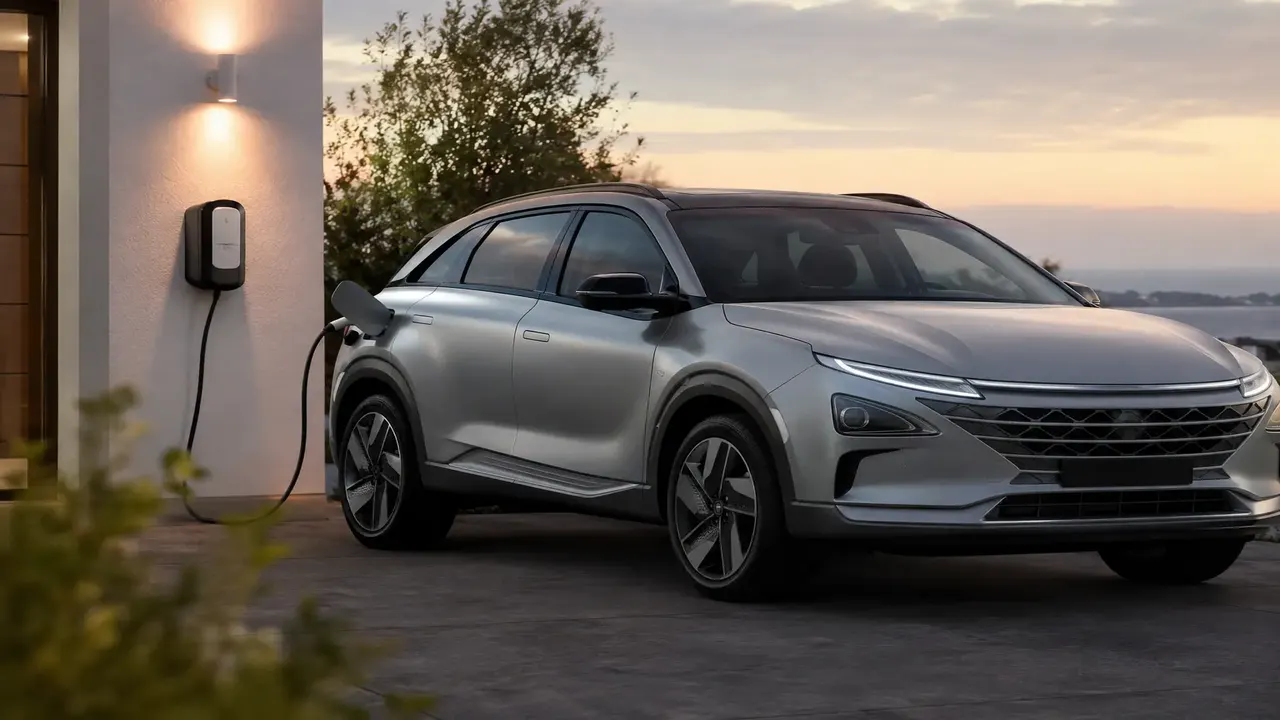
Vehicle Overview
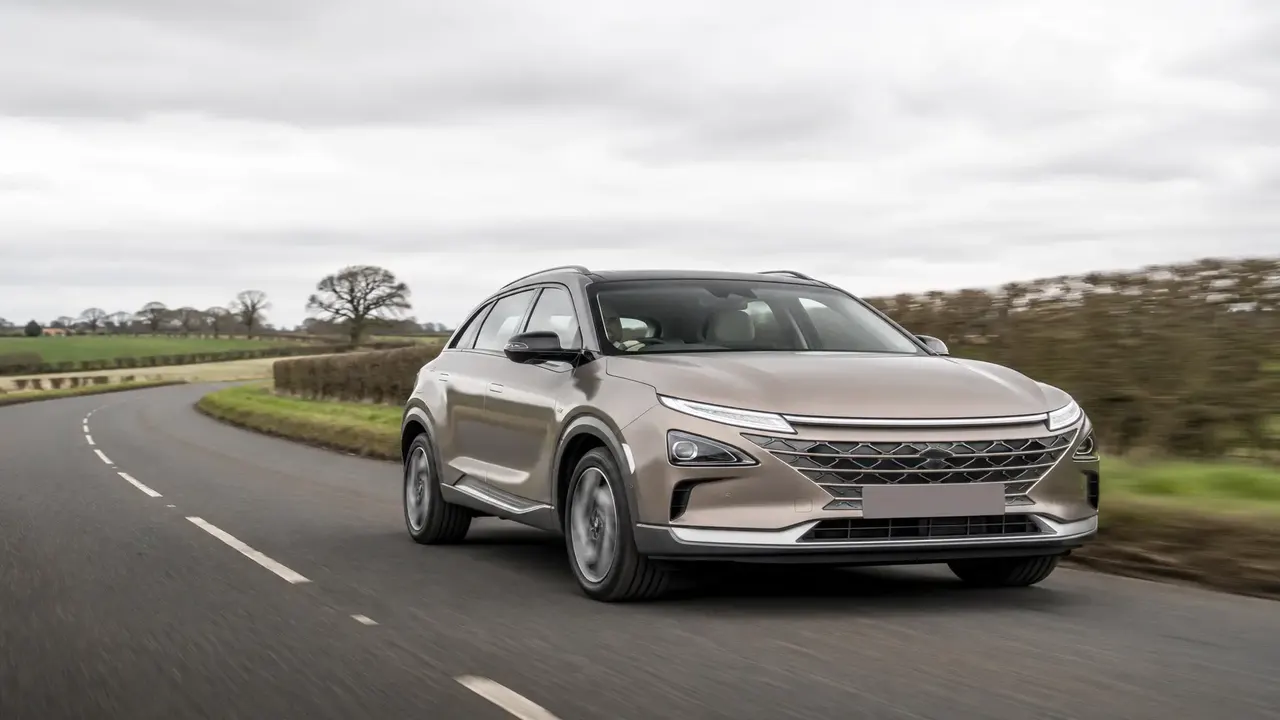
The 2018 Hyundai Nexo is a pioneering hydrogen fuel-cell SUV, representing Hyundai’s second-generation Fuel Cell Electric Vehicle (FCEV) after the Tucson FCEV. Launched in 2018, the Nexo delivers zero tailpipe emissions, long driving range, and rapid refueling—combining eco-friendly technology with SUV practicality for early adopters in select markets.
| Segment | Hydrogen Fuel-Cell SUV (mid-size crossover) |
| Body Style | 5-door SUV |
| Model Year | 2018 (production from late 2018) |
| Drivetrain | Front-wheel drive fuel-cell electric |
Key Specifications
| Specification | Hyundai Nexo FCEV |
|---|---|
| Fuel Cell Stack | Next-gen Polymer Electrolyte Membrane (PEM) |
| Fuel Cell Power | 120 kW (161 hp) |
| Electric Motor | 40 kW supplemental battery motor (peak boost) |
| Total System Power | 161 hp / 395 Nm torque |
| Battery Pack | 1.56 kWh Li-ion (for regen and boost) |
| Hydrogen Tanks | 3 × Type IV tanks (156.6 L total) |
| Driving Range | 609 km (WLTP) |
| 0–100 km/h (0–62 mph) | 9.2 s |
| Top Speed | 179 km/h |
| Refueling Time | ~5 minutes (700 bar station) |
| Dimensions (L×W×H) | 4,675 × 1,860 × 1,635 mm |
| Wheelbase | 2,790 mm |
| Curb Weight | ~1,850 kg |
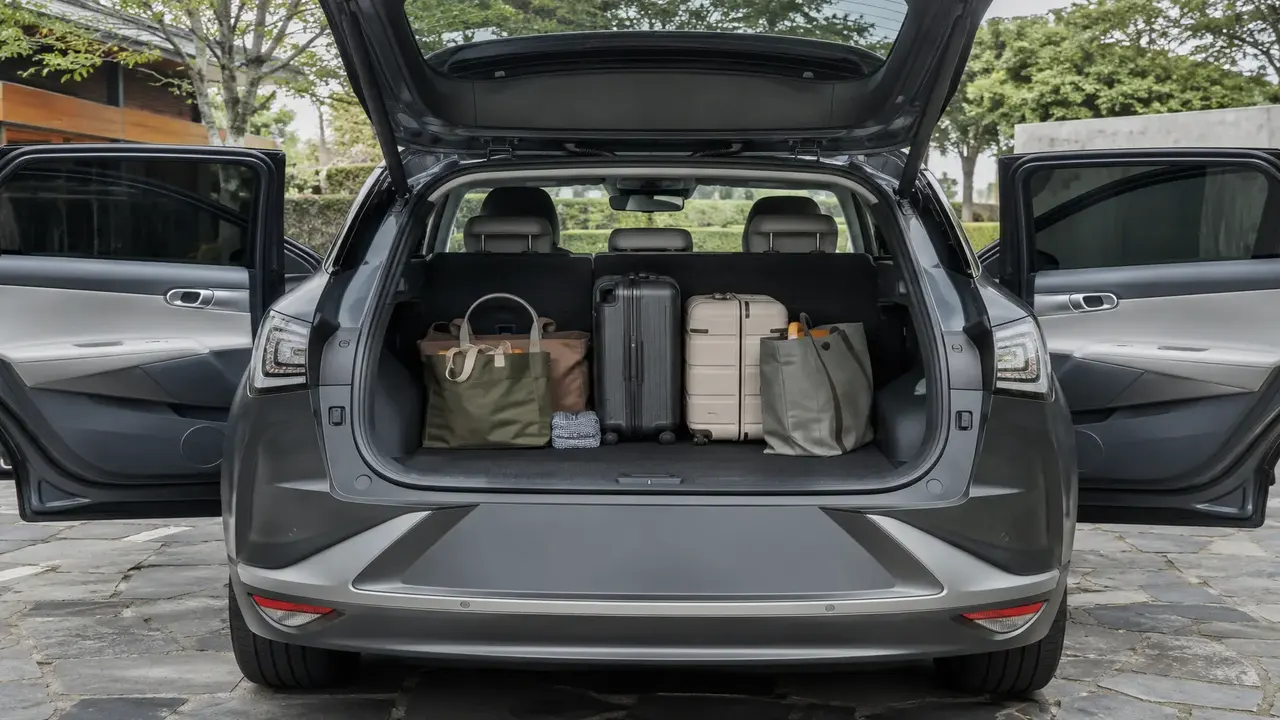
| Cargo Capacity | 839 L (seats up) / 1,569 L (folded) |
Exterior Design
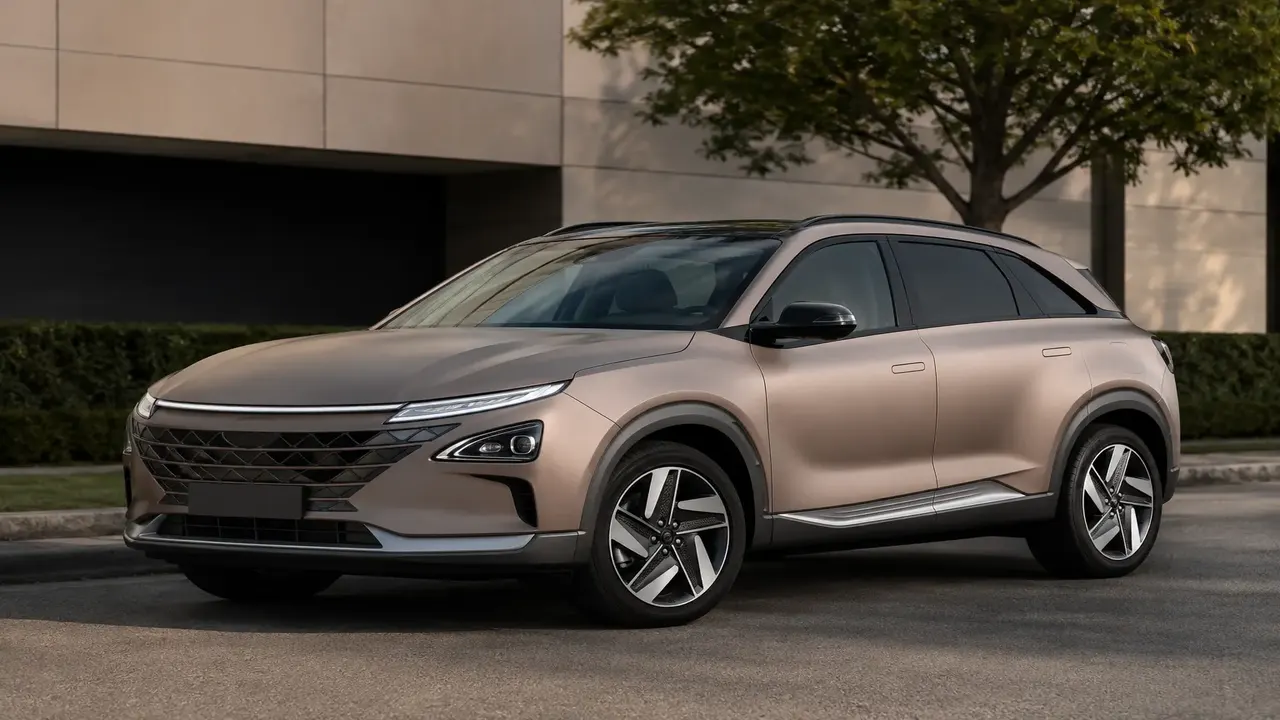
| Fluidic Sculpture 2.0 | Smooth, aerodynamic styling with active grille shutters and minimal drag. |
| Signature Lighting | LED headlamps and “Parametric Hidden Lights” in the grille. |
Coupé-SUV Silhouette: Sloping roofline, rear spoiler, and flush door handles reduce drag.
| Wheels | 19″ aerodynamic alloy wheels fitted with low-rolling-resistance tires. |
| Color Options | Available in Futuristic White, Ceramic Blue, and Phantom Black. |
Interior, Comfort & Materials
| Eco-Friendly Materials | Recycled plastics, plant-based leathers, and bio-paint accents. |
| Seating | Heated and ventilated front seats; heated rear seats optional. |
| Space | Spacious cabin with generous headroom and legroom; panoramic sunroof adds airiness. |
| Storage | Large 839 L cargo area, under-floor compartments, and center console bin. |
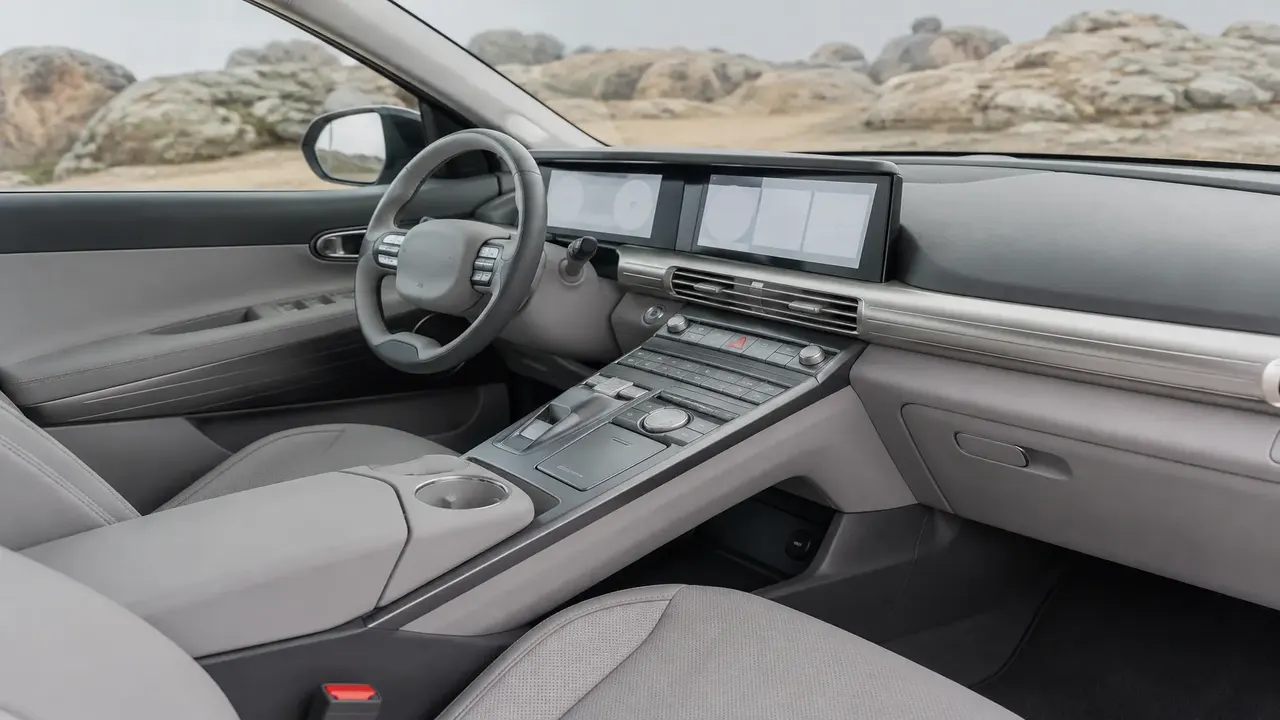
| Ergonomics | Low-effort steering, intuitive controls, and large digital cluster. |
Features & Infotainment
| Infotainment | 12.3″ touchscreen with navigation, Apple CarPlay & Android Auto. |
| Digital Cluster | 12.3″ configurable instrument display showing hydrogen levels, range, and flow. |
| Connectivity | Hyundai’s Blue Link telematics with remote H₂ station finder and pre-conditioning. |
| Premium Audio | Bose® 8-speaker surround sound system. |
| Comfort Tech | Dual-zone climate control with heat-pump assist (minimizes H₂ consumption in cold weather). |
Safety & Ratings
| Euro NCAP | Five stars in 2018, tested as a left-hand-drive Nexo GL; rating expired 1 January 2025 (Euro NCAP, checked 1 October 2026). A separate five-star result published on 10 December 2025 applies to the Nexo assessed that year, not to the 2018 car reviewed here. |
Hyundai SmartSense™ Suite
Forward Collision-Avoidance Assist (AEB) with pedestrian/cyclist detection
Blind-Spot Collision Warning & Rear Cross-Traffic Collision Warning
Lane Keeping Assist & Lane Following Assist
Highway Driving Assist (Level 2)
Safe Exit Warning & Rear Occupant Alert
| Additional | Surround View Monitor and Driver Attention Warning. |
Driving Performance
| Immediate Torque | Electric drive yields 395 Nm instantly, smooth and silent acceleration. |
| Ride & Handling | Independent suspension all-round tuned for comfort; body roll well controlled. |
| Steering | Electronically assisted rack with good feedback and light low-speed feel. |
| Regenerative Braking | Adjustable levels via paddle shifters, with near one-pedal driving capability. |
Hydrogen Efficiency
| Consumption | ~0.95 kg H₂/100 km (WLTP cycle). |
| Range | 609 km WLTP; ~580 km typical real-world. |
| Refueling | 3 high-pressure hydrogen tanks refilled in ~5 minutes at 700 bar. |
Practicality & Everyday Usability
| Cargo Versatility | 839 L (seats up), 1,569 L with rear seats folded (60:40 split). |
| Cabin Storage | Door pockets, dashboard tray, center console, and glovebox. |
| Visibility | Large windshield, rear camera mirror enhances rear view when towing or parking. |
| Station Locator | Integrated H₂ station finder in infotainment and Blue Link app. |
Warranty & Maintenance
| Warranty | 5 years / 100,000 km (vehicle); 10 years / 160,000 km (fuel-cell stack and hydrogen tanks). |
| Service Intervals | 12 months / 15,000 km; fewer moving parts than ICE. |
| Maintenance | Limited to cabin filters, wipers, and tires; hydrogen stack maintenance per schedule. |
Price & Value for Money
| Launch MSRP (Europe) | from €69,000 (pre-incentive). |
| Incentives | Eligible for H₂ subsidies and corporate leasing schemes; total cost competitive vs. long-range BEVs when factoring refuel time and range. |
| Value | Unique zero-emission solution with rapid refueling and extensive warranty. |
Comparison with Rivals
| Model | Powertrain | Range | Refuel/Charge | Price (From) |
|---|---|---|---|---|
| Hyundai Nexo | FCEV (H₂ PEM stack) | 609 km WLTP | 5 min H₂ refill | €69,000 |
| Toyota Mirai (2nd Gen) | FCEV (H₂) | 650 km WLTP | 5 min H₂ refill | €68,000 |
| Tesla Model X | BEV | 560 km WLTP | 20–40 min DC fast charge | €85,000 |
| Mercedes EQC | BEV | 414 km WLTP | 30–60 min DC fast charge | €75,000 |
Pros & Cons
Pros
| True hydrogen-fuel convenience | 5-minute refuel, 600+ km range |
Zero tailpipe emissions with water vapor only
Spacious cabin, generous cargo space, and comfort-oriented ride
Comprehensive safety and advanced driver aids
Long term warranty on critical hydrogen systems
Cons
Limited H₂ refueling infrastructure restricts usability in many regions
Higher upfront cost vs. comparable BEVs
Fewer service points than conventional or battery-EV models
Only FWD; no AWD option
Overall Rating
4.2 / 5 stars
True Motion Auto has not independently road-tested this vehicle. Specifications, pricing and performance figures are compiled from manufacturer technical data and published independent tests, and are attributed where quoted. Our score reflects a structured research assessment of specifications, pricing, safety data and owner feedback for the segment — not an independent road test. Read how we review cars.
A technological showcase that offers genuine zero-emission motoring with the convenience of rapid refueling and SUV practicality—ideal for regions with developed hydrogen networks.
Final Verdict
The 2018 Hyundai Nexo is perfect for early adopters and fleet operators seeking hydrogen’s fast-refuel and long-range advantages combined with SUV versatility and zero emissions. Where H₂ infrastructure exists, it stands as a compelling alternative to battery-only EVs.
More Hyundai reviews: Hyundai Bayon Review, Hyundai i10 Review and Hyundai i20 Review.
Buyer checkpoints
| Buyer checkpoint | True Motion Auto view |
|---|---|
| Best for | Drivers wanting balanced everyday usability. |
| Body style | Car |
| Powertrain focus | Hydrogen fuel-cell electric |
| UK ownership note | Check insurance group, VED, charging or fuel costs and service-plan pricing before buying. |
| Verdict | Worth shortlisting if its size, running costs and equipment match your daily use. |
Frequently asked questions
Is the Hyundai Nexo good for UK roads?
Should I buy new or used?
What should I check before ordering?
Is it suitable for families?
Specifications, prices and equipment were current at publication and vary by model year, trim and market. Verify final details with a franchised dealer before ordering. Read how we review cars and our editorial policy.