Vehicle Overview
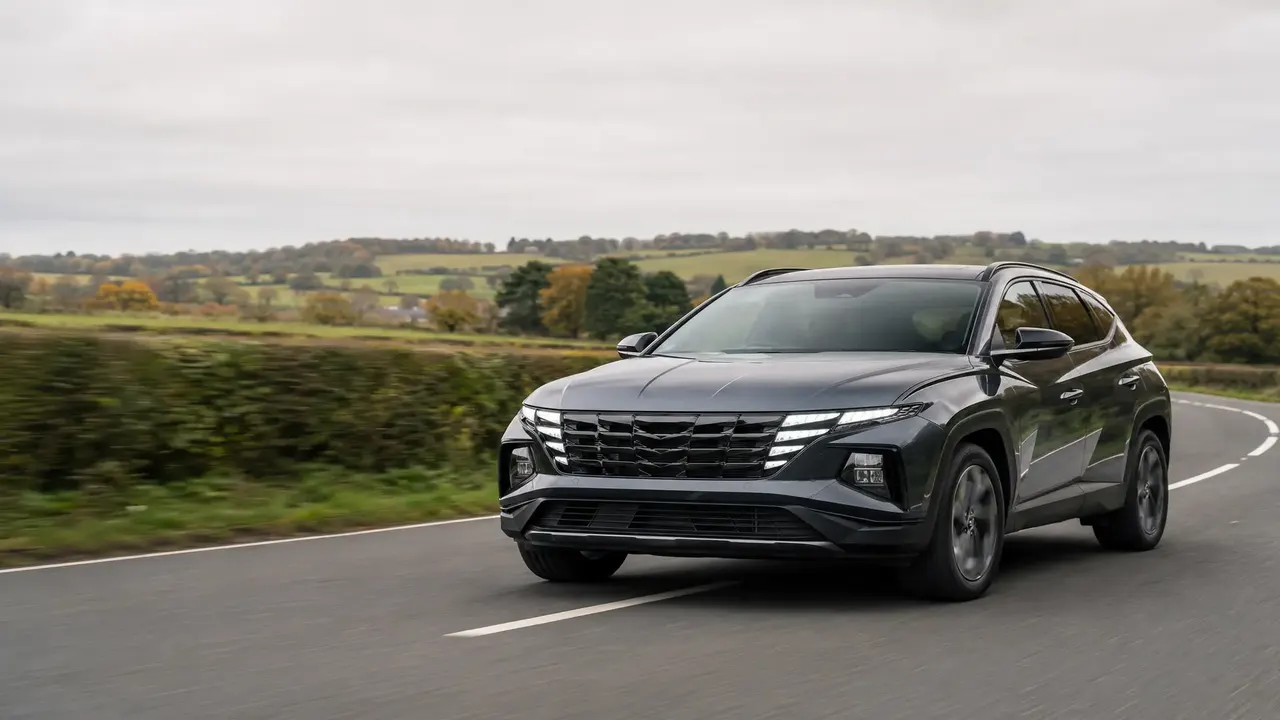
The 2004 Hyundai Tucson (known as the JM generation) is a compact SUV designed to offer car-like comfort with light off-road capability. Sharing its underpinnings with the Kia Sportage of the era, the Tucson combines agile handling, practical interior packaging, and Hyundai’s then-new “Fluidic” styling cues, aimed at buyers seeking versatility in a compact footprint.
| Segment | Compact SUV (C-segment) |
| Body Style | 5-door SUV |
| Model Year | 2004 (first generation) |
| Drivetrain | Front-wheel drive standard; optional full-time AWD |
Key Specifications
| Specification | 2.0 L MPI I4 Petrol | 2.7 L V6 Petrol | 2.0 L CRDi Turbo Diesel |
|---|---|---|---|
| Engine | 1,990 cc SOHC 16-valve | 2,694 cc V6 SOHC 12-valve | 1,990 cc DOHC 16-valve |
| Power | 142 PS @ 5,500 rpm | 171 PS @ 5,500 rpm | 112 PS @ 4,000 rpm |
| Torque | 183 Nm @ 4,000 rpm | 245 Nm @ 3,000 rpm | 260 Nm @ 1,900–2,500 rpm |
| Transmission | 5-speed manual / 4-sp auto | 4-speed automatic | 5-speed manual |
| Drivetrain | FWD; AWD optional | AWD only | FWD; AWD optional |
| 0–100 km/h | ~11.5 s | ~10.0 s | ~12.5 s |
| Top Speed | 180 km/h | 195 km/h | 170 km/h |
| Fuel Economy (combined) | 8.5 L/100 km | 10.5 L/100 km | 7.2 L/100 km |
| Boot Capacity | 405 L (seats up) | Same | Same |
| Dimensions (L×W×H) | 4,295×1,780×1,695 mm | Same | Same |
| Wheelbase | 2,610 mm | Same | Same |
Exterior Design
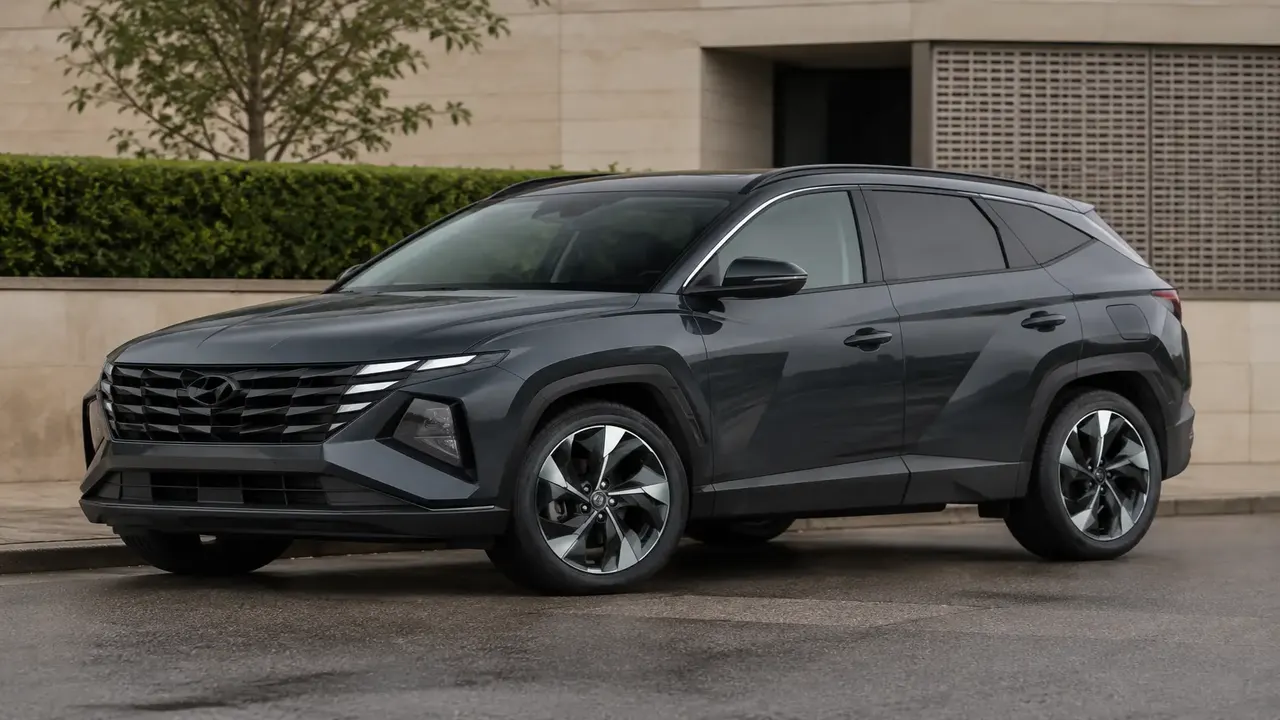
| Rugged styling | High-mounted headlights, pronounced wheel arches, and integrated roof rails. |
| Clean lines | Smooth flanks and a gently sloping rear hatch for a contemporary SUV look. |
| Trim cues | Body-colour bumpers and side-mouldings on higher grades; side steps optional. |
| Wheel options | 15″ steel wheels on base; 16″–17″ alloys on upper trims. |
Interior, Comfort & Materials
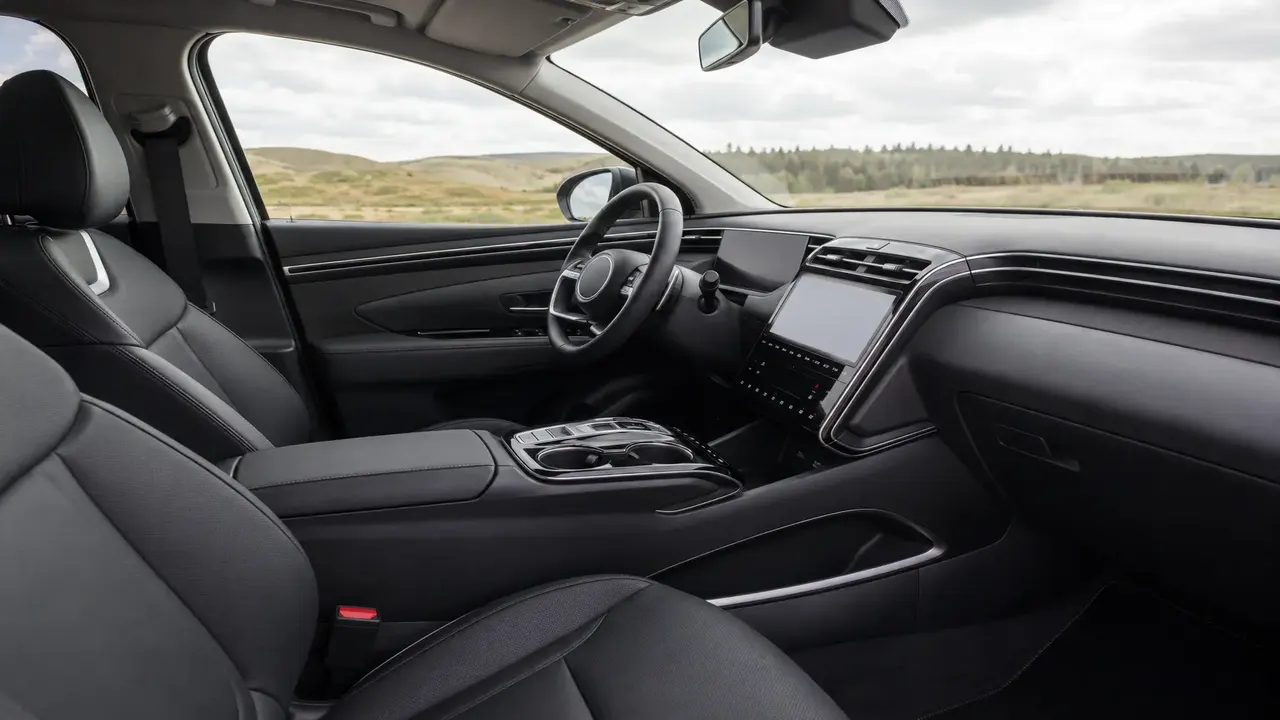
| Practical cabin | Durable cloth upholstery; optional leather on top-end GLS models. |
| Seating | Supportive front buckets with adjustable lumbar; 60:40 folding rear bench. |
| Space | Generous headroom and legroom for a compact SUV; higher roof aids cargo. |
| Materials | Hard-wearing plastics with soft-touch accents on dash and door tops. |
| Storage | Deep glovebox, centre console bin, door pockets, cupholders, and under-floor boot tray. |
Features & Infotainment
| Audio | AM/FM radio with single-CD player and AUX input on higher trims. |
| Climate | Manual air-conditioning standard; automatic climate control on GLS. |
| Convenience | Power windows front and rear, remote central locking, key-fob entry on mid/upper trims. |
| Instrumentation | Clear three-dial cluster with analogue fuel/temp gauges and trip computer. |
Safety & Ratings
| Euro NCAP | No current rating for this generation. Euro NCAP publishes no assessment of the 2004 car on its website today, and its ratings are valid for up to six years, so any result of that age has expired. The Tucson record on its website today is a 2021 result for the later model and should not be read across (Euro NCAP and Tucson 2021, checked 2 October 2026). |
Standard Safety
Dual front airbags (side and curtain airbags available on GLS)
ABS with Electronic Brake-force Distribution (EBD) on mid/upper trims
Front and rear crumple zones with reinforced safety cell
| Optional | Stability control and traction control on higher grades. |
Driving Performance
2.0 L petrol: Smooth, eager for daily driving; best suited to urban/highway mix.
2.7 L V6: Stronger acceleration and refined at cruising speeds; AWD ensures confident traction.
2.0 L diesel: Torquey low-end pull ideal for highway overtakes; quieter when warmed up.
| Ride & Handling | MacPherson front struts and multi-link rear suspension strike a balance between comfort and composure; moderate body roll under hard cornering. |
| Steering | Hydraulic assist—solid for highway stability, a bit heavier in tight turns. |
Fuel Efficiency
2.0 L petrol: ~8.5 L/100 km combined.
2.7 L V6: ~10.5 L/100 km combined.
2.0 L diesel: ~7.2 L/100 km combined.
| Real-World | Owners report figures within 10 % of official claims in mixed driving. |
Practicality & Everyday Usability
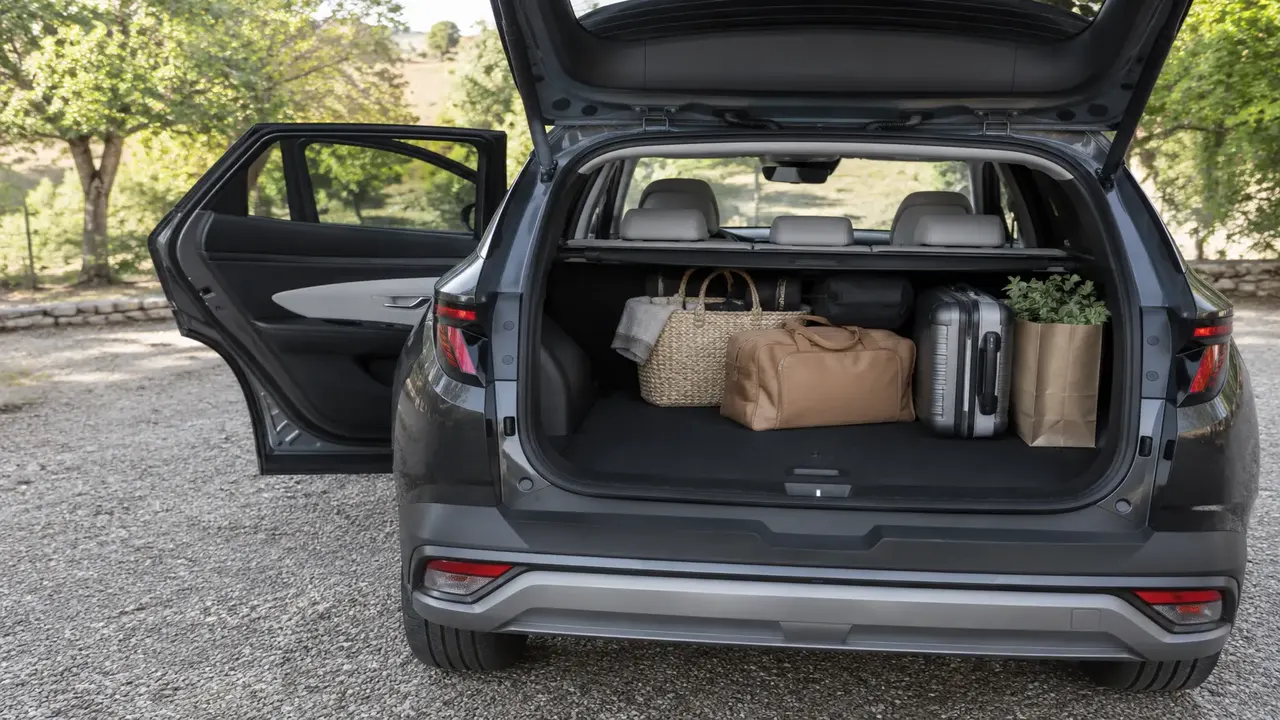
| Boot | 405 L with rear seats up; expands to ~1,350 L with seats folded. |
| Load height | Moderate lift-over; flat load floor when seats stowed. |
| Accessibility | Wide rear hatch, split-folding seats, and roof rails for extra cargo. |
| Urban Friend | 11.0 m turning circle, good outward visibility, optional rear parking sensors. |
Warranty & Maintenance
| Warranty (Original) | 5 years / unlimited km in many markets. |
| Service Intervals | 15,000 km or 12 months; Hyundai’s prepaid maintenance packages available. |
| Reliability | Good durability; straightforward mechanicals aid servicing. |
Price & Value for Money
Launch MSRP (UK)
2.0 L LX FWD manual: ~£16,000
2.7 L V6 GLS AWD auto: ~£20,000
2.0 L CRDi GL FWD manual: ~£17,500
| Value | Competitive pricing undercutting many European rivals while offering strong equipment and AWD option on the V6. |
Comparison with Rivals
| Model | Price (From) | Engines | Boot (L) | Key Strength |
|---|---|---|---|---|
| Hyundai Tucson (2004) | £16–20 k | 2.0 L I4 / 2.7 L V6 / 2.0 L diesel | 405 / 1,350 | AWD V6 option, warranty |
| Honda CR-V (2002) | £18–22 k | 2.0 L I4 / 2.4 L I4 | 485 / 1,620 | Spacious interior |
| Toyota RAV4 (2004) | £17–21 k | 2.0 L I4 / 2.4 L I4 / 2.0 L diesel | 530 / 1,620 | Proven reliability |
| Nissan X-Trail (2001) | £17–21 k | 2.0 L I4 / 2.5 L I4 | 460 / 1,680 | Off-road capability |
Pros & Cons
Pros
Strong warranty and low running costs
Versatile engine range including diesel and AWD V6
Practical cargo volume and flexible seating
Comfortable ride with composed handling
Cons
Interior plastics feel dated by modern standards
Diesel and V6 variants heavier, affecting agility
Base trims lack stability control and traction aids
Fuel economy modest on larger engines
Overall Rating
4.0 / 5 stars
True Motion Auto has not independently road-tested this vehicle. Specifications, pricing and performance figures are compiled from manufacturer technical data and published independent tests, and are attributed where quoted. Our score reflects a structured research assessment of specifications, pricing, safety data and owner feedback for the segment — not an independent road test. Read how we review cars.
A well-rounded compact SUV that offers value, practicality, and optional AWD, making it a compelling choice for families and commuters alike.
Final Verdict
The 2004 Hyundai Tucson is ideal for drivers seeking SUV versatility—combining strong equipment, engine choice, and Hyundai’s warranty in a compact package. It balances comfort, capability, and value against established rivals.
More Hyundai reviews: Hyundai Bayon Review, Hyundai i10 Review and Hyundai i20 Review.
Buyer checkpoints
| Buyer checkpoint | True Motion Auto view |
|---|---|
| Best for | Drivers wanting balanced everyday usability. |
| Body style | Car |
| Powertrain focus | Petrol, diesel or hybrid depending on model year and trim |
| UK ownership note | Check insurance group, VED, charging or fuel costs and service-plan pricing before buying. |
| Verdict | Worth shortlisting if its size, running costs and equipment match your daily use. |
Frequently asked questions
Is the Hyundai Tucson good for UK roads?
Should I buy new or used?
What should I check before ordering?
Is it suitable for families?
Specifications, prices and equipment were current at publication and vary by model year, trim and market. Verify final details with a franchised dealer before ordering. Read how we review cars and our editorial policy.