Vehicle Overview
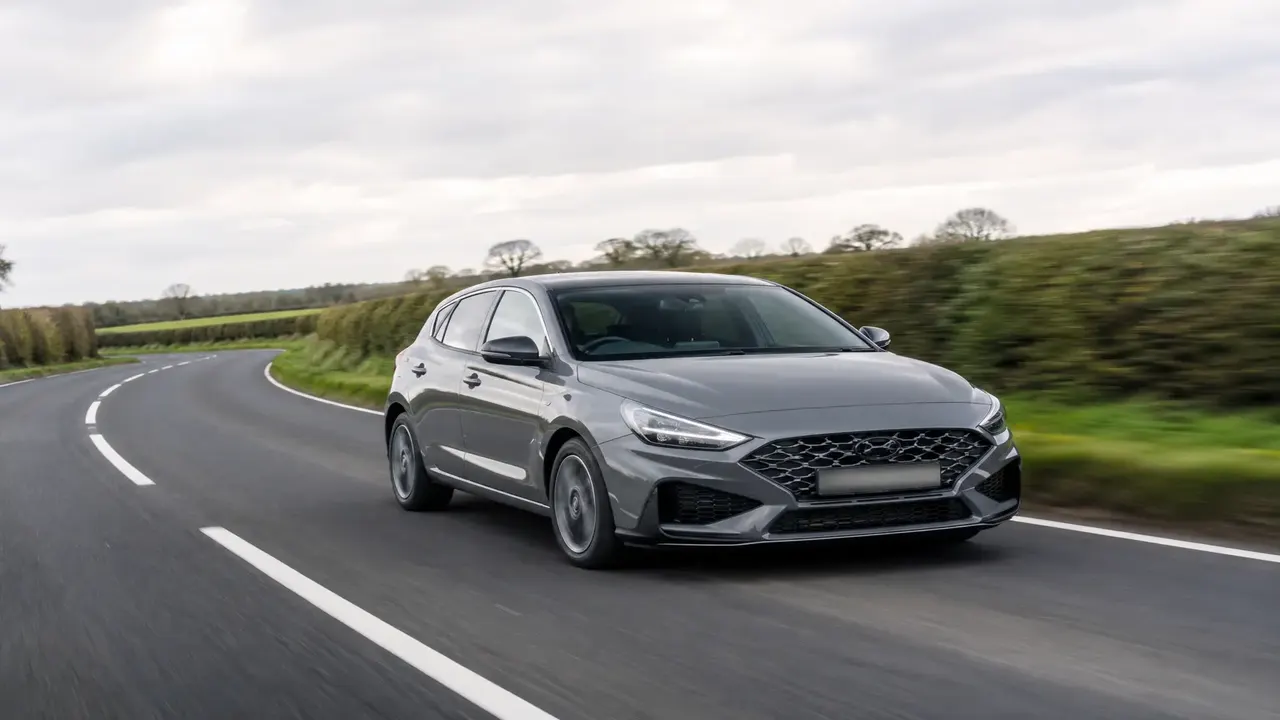
The 2007 Hyundai i30 is a compact hatchback introduced to replace the Coupe and build upon the successful Getz platform. Developed primarily for European tastes, it blends refined ride quality, roomy packaging, and strong safety credentials. Positioned to rival the Volkswagen Golf, Ford Focus, and Opel Astra, the i30 marked Hyundai’s push into the heart of Europe’s C-segment.
| Segment | Compact Hatchback (C-segment) |
| Body Style | 5-door hatchback (three-door variant added later in some markets) |
| Model Year | 2007 (first generation) |
| Trim Levels | Classic, Comfort, Style, Sport |
Key Specifications
| Specification | 1.4 L MPI Inline-4 | 1.6 L MPI Inline-4 | 2.0 L MPI Inline-4 | 2.0 L CRDi Diesel |
|---|---|---|---|---|
| Engine | 1,396 cc SOHC, 16-valve | 1,591 cc DOHC, 16-valve | 1,999 cc DOHC, 16-valve | 1,968 cc CRDi, 16-valve |
| Power | 105 PS @ 6,000 rpm | 122 PS @ 5,750 rpm | 143 PS @ 6,200 rpm | 115 PS @ 4,000 rpm |
| Torque | 137 Nm @ 4,200 rpm | 155 Nm @ 4,200 rpm | 186 Nm @ 4,500 rpm | 260 Nm @ 1,900 rpm |
| Transmission | 5-speed manual / 4-sp auto | 5-speed manual / 4-sp auto | 5-speed manual | 5-speed manual |
| Drivetrain | Front-wheel drive | Front-wheel drive | Front-wheel drive | Front-wheel drive |
| 0–100 km/h | ~11.8 s | ~10.5 s | ~9.2 s | ~11.5 s |
| Top Speed | 185 km/h | 190 km/h | 205 km/h | 185 km/h |
| Fuel Economy | 6.5 L/100 km | 6.8 L/100 km | 7.5 L/100 km | 6.0 L/100 km |
| CO₂ Emissions | ~155 g/km | ~160 g/km | ~175 g/km | ~160 g/km |
| Curb Weight | ~1,165 kg | ~1,205 kg | ~1,265 kg | ~1,320 kg |
Exterior Design
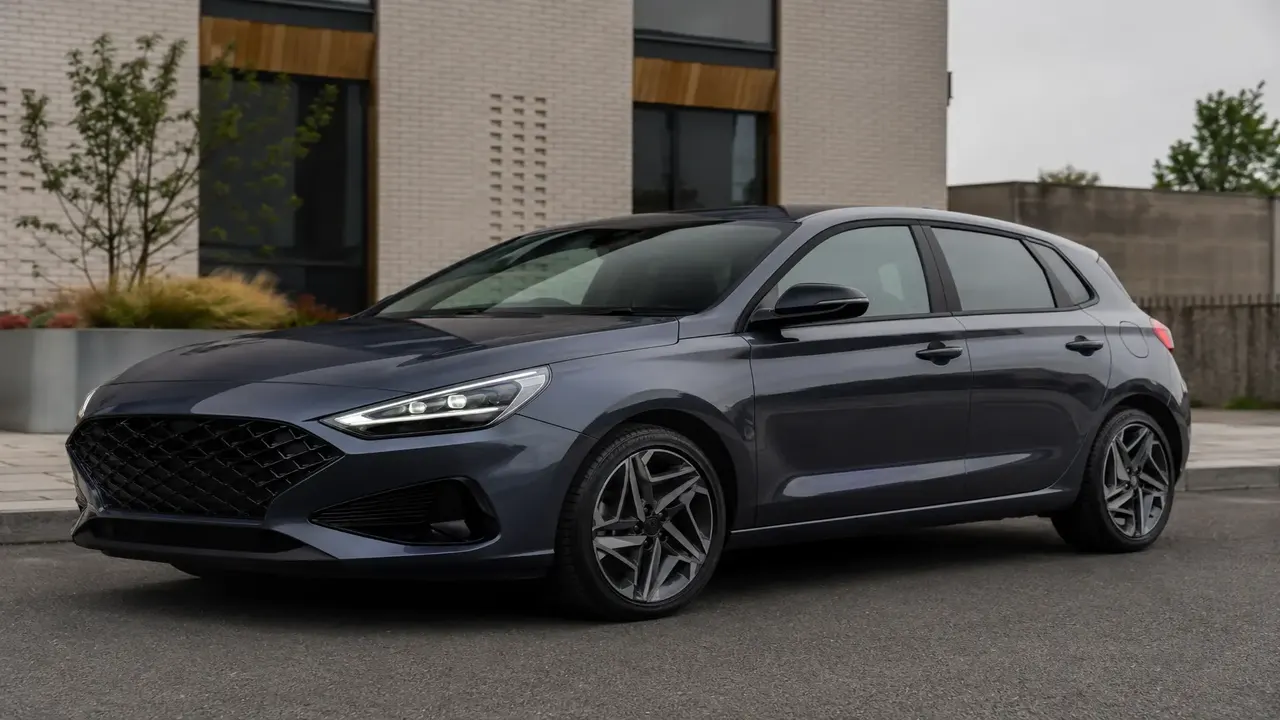
| Fluidic Sculpture Styling | Hyundai’s new design language with sweeping curves and sculpted flanks. |
| Headlights & Grille | Integrated swept-back headlamps and a prominent hexagonal grille. |
| Sport Trim Accents | 17″ alloy wheels, body-color mirror caps, side skirts, and rear spoiler. |
| Dimensions | Length 4,260 mm; Width 1,760 mm; Height 1,505 mm; Wheelbase 2,650 mm. |
Interior, Comfort & Materials
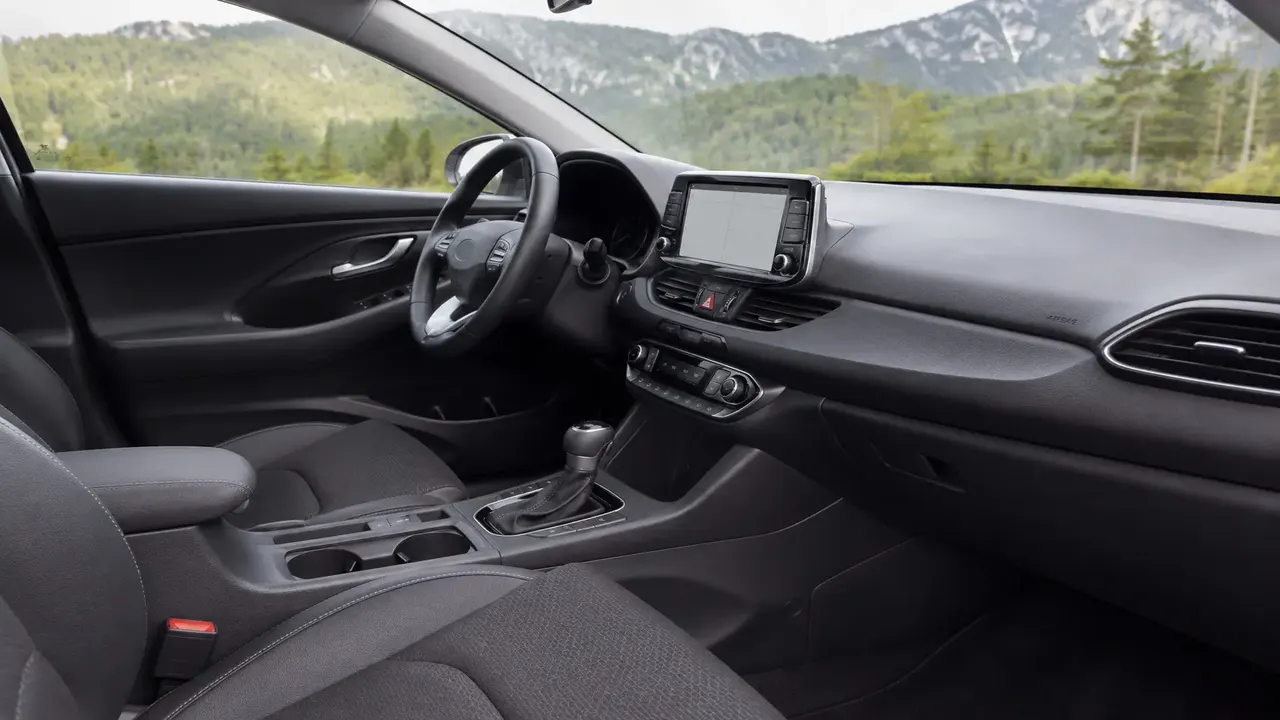
| Quality Materials | Soft-touch dash top, chrome accents, and comfortable cloth or optional leather seats. |
| Space | Competitive front/rear legroom; supportive bolstered seats in Sport trim. |
| Ergonomics | Tilt-and-telescopic steering, well-placed controls, and clear instrument dials. |
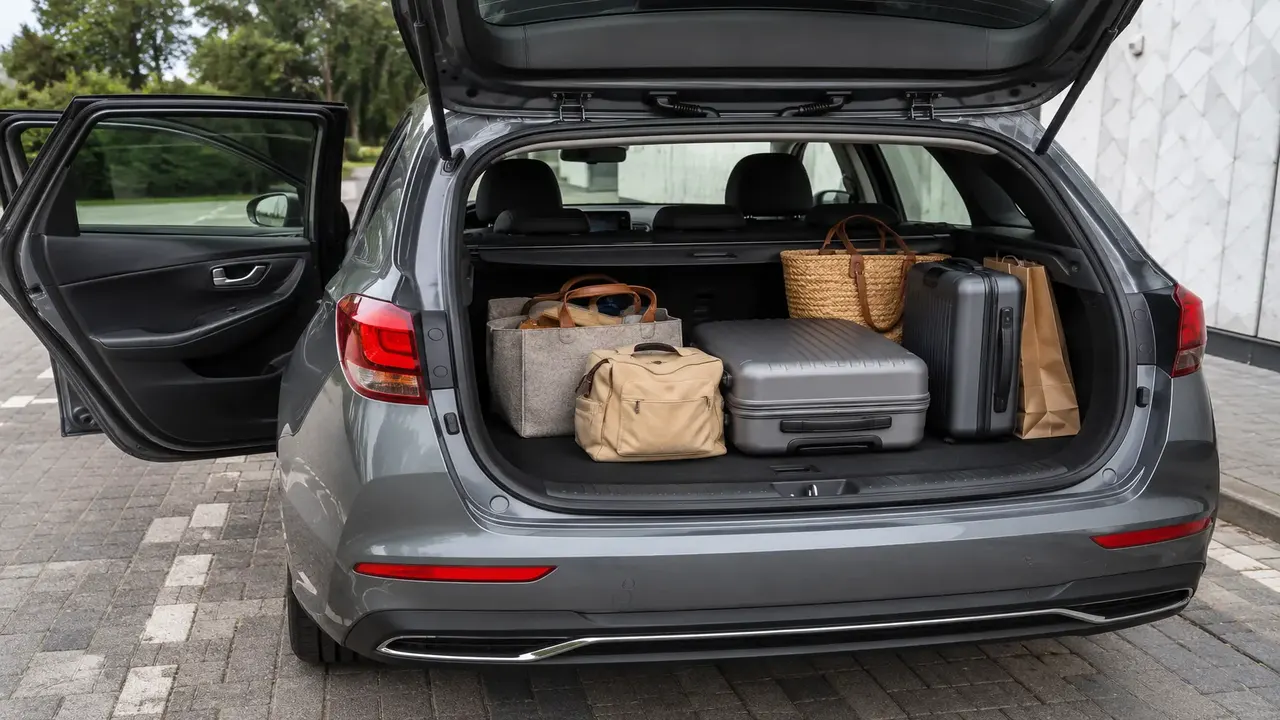
| Storage | 340 L boot (expandable to 1,165 L with rear seats folded), deep door pockets, and center console bin. |
Features & Infotainment
| Audio | CD/MP3 player with AUX input; steering-wheel audio controls on higher trims. |
| Climate Control | Manual air conditioning standard; automatic climate on Style/Sport. |
| Convenience | Key-less entry & start, power windows all-round, and cruise control on upper grades. |
| Instrumentation | Dual-pod dials with central info display for trip computer and warnings. |
Safety & Ratings
| Euro NCAP | 5-star rating (2008 assessment). |
Standard Safety
Dual front airbags, side and curtain airbags on Comfort+
ABS with Electronic Brake-force Distribution (EBD)
Electronic Stability Control (ESC) on Style/Sport
| Chassis | Reinforced safety cell and side-impact protection beams. |
Driving Performance
1.4 L & 1.6 L Petrol: Smooth mid-range delivery; suitable for daily driving.
2.0 L Petrol: Stronger thrust for motorway overtakes; Sport trim firmer suspension.
2.0 L Diesel: Excellent low-end torque; refined once warmed up.
| Handling & Ride | Independent MacPherson struts front, multi-link rear; balanced comfort and control; minimal body roll. |
| Steering | Electric-assist—light at low speed, reasonably communicative on twisty roads. |
Fuel Efficiency
Petrol Models
1.4 L: ~6.5 L/100 km
1.6 L: ~6.8 L/100 km
2.0 L: ~7.5 L/100 km
| Diesel Model | ~6.0 L/100 km |
| Real-World | Generally within 10 % of official figures in mixed driving. |
Practicality & Everyday Usability
| Boot Space | 340 L with seats up; 1,165 L flat load floor with 60:40 split rear seats. |
| Visibility | Good outward visibility with slim A-pillars and large mirrors. |
| Accessibility | Wide door openings and low loading lip simplify cargo handling. |
| Urban Friend | 10.6 m turning circle, parking sensors and optional rear camera aid maneuvering. |
Warranty & Maintenance
| Warranty (Original) | 5 years / unlimited mileage in many markets. |
| Service Intervals | 15,000 km or 12 months. |
| Ownership Costs | Competitive servicing rates and reliable Hyundai powertrains. |
Price & Value for Money
Launch MSRP (UK)
1.4 L Classic: ~£12,000
1.6 L Comfort: ~£13,500
2.0 L Style: ~£15,000
2.0 L Sport: ~£16,500
| Value Proposition | Generous equipment, strong warranty, and competitive pricing vs. European rivals. |
Comparison with Rivals
| Model | Price (From) | Engines | Boot (L) | Notable Strength |
|---|---|---|---|---|
| Hyundai i30 | £12–16.5 k | 1.4–2.0 L / Diesel | 340 / 1,165 | Warranty & features |
| Volkswagen Golf (Mk5) | £14–18 k | 1.4–2.0 L TSI | 350 / 1,305 | Build quality |
| Ford Focus (Mk2) | £13–17 k | 1.4–2.0 L | 316 / 1,256 | Driving dynamics |
| Opel Astra (H) | £12.5–16.5 k | 1.4–1.8 L | 350 / 1,250 | Ride comfort |
Pros & Cons
Pros
Strong safety score with comprehensive airbag suite
Spacious cabin and versatile load area
Competitive equipment levels and segment-leading warranty
Refined diesel engine option for economy
Cons
Base petrol lacks punch for swift overtakes
Interior plastics are functional but not premium feel
Sport suspension firm for urban driving
Diesel model can be noisy under hard acceleration
Overall Rating
4.2 / 5 stars
True Motion Auto has not independently road-tested this vehicle. Specifications, pricing and performance figures are compiled from manufacturer technical data and published independent tests, and are attributed where quoted. Our score reflects a structured research assessment of specifications, pricing, safety data and owner feedback for the segment — not an independent road test. Read how we review cars.
A well-rounded compact hatchback that delivers safety, space, and value—making it a credible alternative to established European models.
Final Verdict
The 2007 Hyundai i30 is ideal for families and commuters seeking a safe, spacious, and well-equipped hatchback with low running costs and a segment-leading warranty.
More Hyundai reviews: Hyundai Bayon Review, Hyundai i10 Review and Hyundai i20 Review.
Affiliate CTA
Ready to drive an i30?
Browse certified pre-owned Hyundai i30 deals
Compare finance & lease options
Explore i30 accessories & upgrades
Sources
Ask ChatGPT
Buyer checkpoints
| Buyer checkpoint | True Motion Auto view |
|---|---|
| Best for | Drivers wanting balanced everyday usability. |
| Body style | Car |
| Powertrain focus | Petrol, diesel or hybrid depending on model year and trim |
| UK ownership note | Check insurance group, VED, charging or fuel costs and service-plan pricing before buying. |
| Verdict | Worth shortlisting if its size, running costs and equipment match your daily use. |
Frequently asked questions
Is the Hyundai i30 good for UK roads?
Should I buy new or used?
What should I check before ordering?
Is it suitable for families?
Specifications, prices and equipment were current at publication and vary by model year, trim and market. Verify final details with a franchised dealer before ordering. Read how we review cars and our editorial policy.