Note: costs mentioned below are given in US dollars as a general point of reference — actual prices vary by country, currency, and local market.
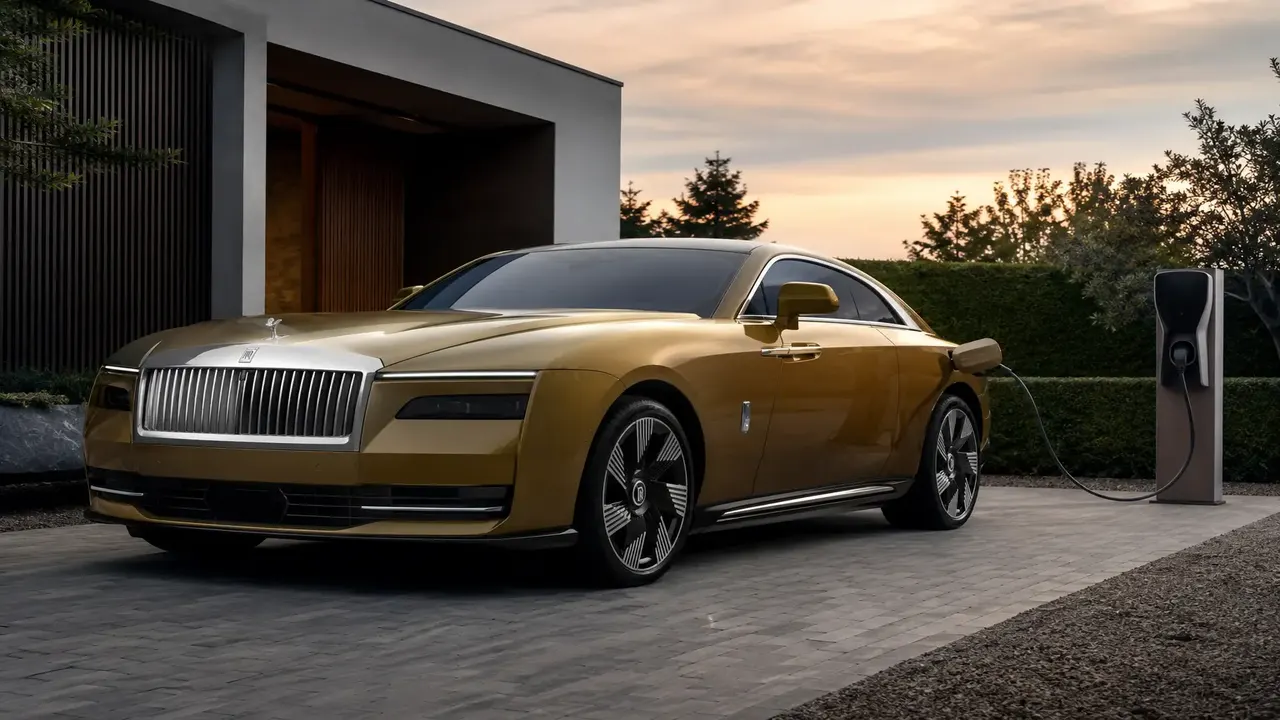
A charge port cover protects the connector from moisture, road salt, dirt and, in freezing climates, ice that can seal the port door shut. Replacement or upgraded OEM-style port doors cost $15-$50, weatherproof silicone boots for the cable end (when unplugged) run $10-$25, and illuminated aftermarket covers for night visibility cost $20-$50. Most drivers in mild climates don't strictly need an aftermarket cover; cold-climate and street-parked owners benefit the most.
At a glance
| Cover type | Purpose | Price band |
|---|---|---|
| OEM-style port door replacement | Weatherproofing, factory fit/finish | $15-$50 |
| Silicone/rubber cable-end boot | Protects unplugged cable connector from dirt/moisture | $10-$25 |
| Illuminated LED port cover | Night visibility for plugging in | $20-$50 |
Why the charge port needs protection at all
The charge port is one of the few electrical connection points on a modern car that's routinely exposed to the outside world — opened and closed in rain, snow, road salt spray and dust, sometimes multiple times a day. Corrosion or debris buildup inside the port can cause charging faults, and in freezing climates, water that gets into the door hinge or seal can freeze the port shut.
The three real problems covers solve
- Weatherproofing the vehicle-side port — replacement or upgraded port doors with better seals than some factory designs, especially on older EV models with known door/hinge weak points.
- Protecting the cable-side connector — a silicone boot or cap keeps the charging cable's plug end clean and dry when it's disconnected and coiled in a trunk or on a home charger hook.
- Visibility at night — illuminated covers or connector rings light up the port opening, useful for street parking or poorly lit driveways.
The winter ice problem
In freezing and mixed precipitation climates, water that gets behind a factory port door can freeze and seal it shut, sometimes requiring careful de-icing (a hair dryer or lukewarm water, never boiling water or force) before charging. A well-sealed aftermarket door or added weatherstripping reduces how much moisture gets in to begin with, though it doesn't eliminate the risk entirely in severe conditions.
Universal vs. model-specific
Cable-end boots are largely universal since most connectors of a given standard (NACS, CCS, J1772) share dimensions. Port doors and hinge-area weatherproofing, by contrast, are model-specific — a cover designed for one vehicle's door shape and latch mechanism generally won't fit another cleanly.
Mistakes to avoid
Universal 'fits most vehicles' port covers that rely on a loose friction fit often don't seal well enough to matter and can even trap moisture against the port rather than keeping it out. Also, never force a frozen port door open — apply gentle warmth and wait, since forcing it can crack the door or damage the latch mechanism.
Frequently asked questions
Can EV charge ports freeze shut in winter?
Do all EVs need extra port protection?
Should I buy a universal or model-specific cover?
Are illuminated charge port covers worth it?
How do I safely de-ice a frozen charge port?
Sources & further reading
- U.S. Department of Energy — Alternative Fuels Data Center: EV Charging Basics
- Consumer Reports — EV Ownership & Cold Weather Guidance
Figures, prices and policy details were current at the last-updated date above. Automotive pricing, incentives and regulations change frequently — verify time-sensitive details with the linked primary sources. Read our editorial policy and fact-checking standards.