Reliability has patterns, not secrets
Every reliability survey — owner-reported problem rates, warranty claims, repair-shop frequency data — disagrees on the details and agrees on the shape. The same brands cluster at the top for the same reasons: conservative engineering, long production runs of proven powertrains, and resisting the urge to launch technology before it's cooked. Reliability is not luck. It is a corporate personality trait.
This guide reflects that consensus shape rather than any single survey's rankings, and it explains why each pick earns its place — because the reasons predict the future better than last year's league table does.
The standouts of 2026
Toyota Camry. Now hybrid-only, and better for it: the powertrain descends from more than two decades of continuous hybrid refinement, with no turbocharger, no eight-speed complexity and a motor-generator handling duties that wear out starters and alternators on ordinary cars. The most defensible "just works" sedan purchase in America.
Toyota Corolla and Corolla Cross. The same logic one size down. Unstressed engines, mature electronics and enormous production volumes mean faults are found and fixed at fleet scale before your car inherits them.
Lexus RX and NX. Lexus routinely tops dependability studies, and the RX shows why: it shares proven Toyota hybrid architecture but adds tighter assembly tolerances and slower model churn. Complexity is the enemy of reliability, and Lexus adds luxury without adding much complexity.
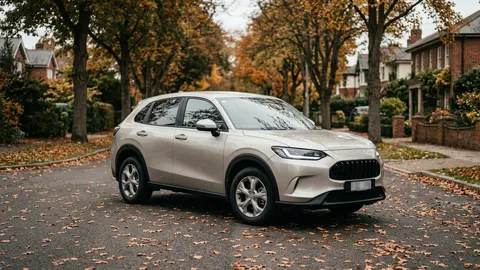
Honda CR-V and Civic. Honda's core models remain excellent, with the 1.5-liter turbo's early oil-dilution troubles long resolved and the two-motor hybrid proving robust. The caveat that keeps Honda behind Toyota in most datasets: newer infotainment and some transmission variants generate more complaints than the mechanicals do.
Mazda CX-5 and Mazda3. Mazda's stubborn loyalty to naturally aspirated engines in volume trims pays a direct dependability dividend: fewer boost-related failures, no wet-belt drama, simple six-speed automatics. Mazda regularly lands top-three in brand studies now, and it is not an accident.
Subaru Forester and Crosstrek. Modern Subarus have shed the head-gasket reputation of old; the current boxer-plus-CVT combination posts strong owner-reported scores, and the brand's buyers keep cars long, which itself generates honest high-mileage data.
Kia Telluride / Hyundai Palisade (with a caveat). The Korean three-rows score well in owner surveys and carry class-leading warranties — 10-year/100,000-mile powertrain cover for the first owner. The caveat: certain earlier Theta-era engines dented trust, and the warranty is the brand's answer. On a new purchase, that answer is adequate.
What the reliable cars have in common
- Hybrids without plugs are now the most reliable powertrain type in the data. Electric motors handle the high-wear, high-stress moments (launch, stop-start), letting the gas engine live an easy life. Full hybrids from mature systems out-score both pure gas and pure EV fleets in problem rates.
- Proven beats new. A powertrain in year six of production is more reliable than the same brand's year-one design. First-model-year adoption remains the single most controllable reliability risk a buyer takes.
- Infotainment is now the complaint leader. Across the industry, screens, connectivity and driver-assist glitches dominate modern problem counts. Annoying — but distinguish it from the powertrain and chassis failures that strand cars and drain wallets.
What to be wary of
- First-year redesigns of anything, however strong the badge.
- The most complex trims — air suspension, biggest screens, newest semi-autonomous stacks — carry the highest problem rates within any model line.
- Heavily boosted small engines in heavy vehicles: hard-working turbos age faster than lightly stressed larger units.
The honest frame
A "reliable model" is a probability, not a promise, and maintenance history dominates brand history the moment a car is used. Buy the proven powertrain, skip the debut year, service on schedule — that combination beats chasing any single survey's number-one.
The questions buyers actually ask
Are EVs reliable yet? Split verdict: the powertrains are proving robust — fewer moving parts is real — while the software, sensors and build-quality categories generate the complaints. An EV from a mature maker is a dependable car with occasional app-grade irritations; treat "EV reliability" scores as mostly measuring screens, not motors.
Does a long warranty mean a reliable car? It means a protected one. Long warranties exist for two opposite reasons: confidence (Toyota's service-activated cover) and reassurance-selling after stumbles (several rivals). Read the warranty as risk transfer, and the surveys as risk measurement — you want both pointing the same way.
Is buying the outgoing generation smart? Frequently the sharpest reliability play in the market: final-year cars carry every running fix of the generation, discounted because the new shape is arriving. The last-of-the-old is the engineer's choice; the first-of-the-new is the gambler's.
Key takeaways
- Toyota, Lexus, Mazda, Honda and Subaru form the consistent top tier across 2026 dependability data
- Mature full hybrids are now the most reliable powertrain type on sale
- Avoid first model years and the most gadget-dense trims — that's where modern problem rates concentrate
- Korean three-rows pair strong scores with the segment's best warranty as a backstop
- Service history and gentle specification beat brand reputation on any individual car
Sources & further reading
- Consumer Reports and J.D. Power dependability methodologies (2024–2026 studies)
- NHTSA complaint databases
- manufacturer warranty schedules
- True Motion Auto ownership-cost analysis, July 2026
Figures, prices and policy details were current at the last-updated date above. Automotive pricing, incentives and regulations change frequently — verify time-sensitive details with the linked primary sources. Read our editorial policy and fact-checking standards.