From chore to industry
Washing a car used to be a Sunday chore performed with a bucket, a sponge and washing-up liquid — which, incidentally, strips wax and was always a bad idea.
Detailing is now a genuine global industry, encompassing professional services, a substantial product market, specialist training, and a large content ecosystem. It supports full-time businesses, and at the high end commands prices that would once have seemed absurd.
Several forces drove that, and understanding them explains what's worth paying for.
What drove the growth
1. Cars became more expensive to own and harder to replace. As our inflation analysis found, premium and performance cars have become genuinely less accessible in real terms. A car people keep longer and value more highly is one they'll invest in maintaining.
2. Paint technology changed — mostly for the worse, cosmetically. Modern water-based paints and clear coats are environmentally far better and frequently thinner and more delicate than older solvent-based systems. They mark more easily, which created demand for protection.
3. Protection products genuinely improved. Ceramic coatings and paint protection film are meaningfully more effective than traditional wax, and their arrival created a professional service market where none existed.
4. Content created the audience. Detailing is unusually well-suited to video — visible transformation, satisfying process, clear before-and-after. A substantial content ecosystem built both demand and expertise.
5. Residual value awareness. As our depreciation analysis established, depreciation is usually the largest cost of ownership — and presentation materially affects resale value. Detailing is, at least partly, a residual-protection investment.
6. Leasing. With more cars leased, end-of-term condition charges create a direct financial incentive to return a car in good order.
What the products actually do
Wax and sealant. Traditional protection. Genuinely effective, genuinely temporary — weeks to a few months. Cheap, easy, and perfectly adequate for many owners.
Ceramic coating. A semi-permanent layer that bonds to the clear coat, offering strong hydrophobic behaviour, easier cleaning and improved chemical resistance, typically lasting years rather than months.
What it does not do — and this is routinely oversold: it does not make paint scratch-proof. It offers marginal resistance to very light marring. It will not prevent stone chips or meaningful scratches. Any claim otherwise should be treated sceptically.
Paint protection film (PPF). A clear urethane film applied over paint. This is the product that genuinely does prevent stone chips, and better films are self-healing for light marks. It's substantially more expensive and requires skilled application.
The honest hierarchy: PPF genuinely protects against physical damage. Ceramic coating genuinely makes cleaning easier and improves chemical resistance. Wax does a lesser version of the latter, cheaply.
What's worth paying for
For most owners:
1. Correct washing technique matters more than any product. The two-bucket method with a grit guard, a proper pH-neutral car shampoo (not washing-up liquid), a clean microfibre mitt and separate drying towels prevents more damage than any coating fixes. Most swirl marks are self-inflicted during washing.
2. Avoid automatic brush car washes. They are the single largest source of swirl marks on most cars.
3. A decent sealant or entry-level coating offers good value for typical use.
4. PPF on high-impact areas — front bumper, bonnet leading edge, wing mirrors — is the highest-value protection investment for anyone doing motorway miles, and far cheaper than full-car coverage.
For enthusiasts and high-value cars: full paint correction followed by ceramic coating or PPF genuinely preserves condition, and on an expensive car the residual protection can justify the cost.
Probably not worth it: the most expensive multi-stage packages on a car that will be washed at an automatic wash and parked outdoors permanently. The protection can't compensate for the treatment.
The industry's honesty problem
Detailing has a marketing problem worth naming, because it directly affects what consumers pay for:
Ceramic coating claims are routinely overstated. "Scratch-proof," "permanent" and "you'll never wax again" are not accurate. The products are genuinely good; the claims frequently aren't.
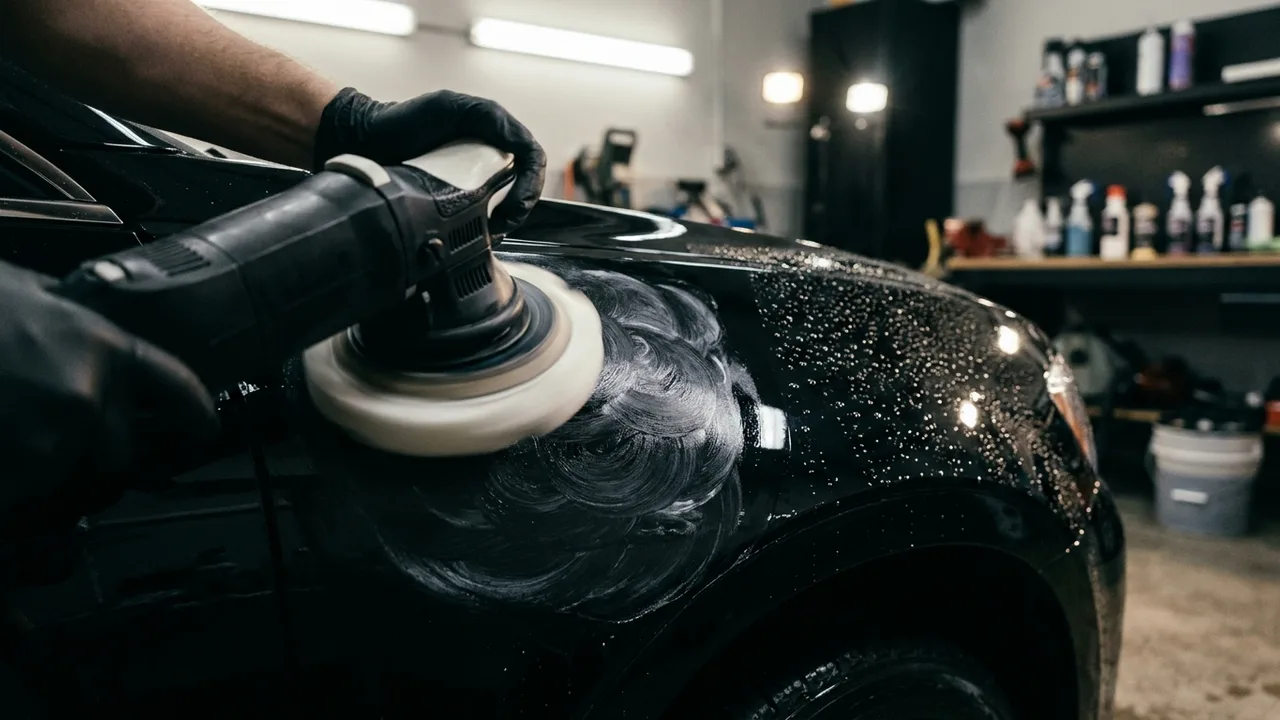
Paint correction is skilled and irreversible. Machine polishing removes clear coat, and there is a finite amount to remove. An inexperienced operator can cause permanent damage. Ask about experience and paint depth measurement.
Price varies enormously for similar work. Get multiple quotes and ask precisely what's included.
The best detailers are open about limitations — which is a useful way to identify them.
The bottom line
Detailing grew from a driveway chore into a genuine industry because cars became more expensive to replace, modern paint became more delicate, protection products genuinely improved, and content built an audience.
The honest hierarchy is clear: PPF prevents physical damage. Ceramic coating makes cleaning easier and improves chemical resistance. Wax does a cheaper, shorter version. Nothing makes paint scratch-proof, whatever the marketing says.
And the single highest-value action costs almost nothing: wash the car properly. Two buckets, a grit guard, pH-neutral shampoo, clean microfibre, and never an automatic brush wash. Most of the damage coatings are sold to protect against is inflicted during washing — which makes technique the best investment in detailing, and the cheapest.
Key takeaways
- Detailing became an industry because cars are more expensive to replace, modern paint is more delicate, protection products genuinely improved, and content built the audience
- The honest hierarchy: PPF prevents physical damage · ceramic coating eases cleaning and resists chemicals · wax does a cheaper, shorter version
- Ceramic coating does NOT make paint scratch-proof — it won't prevent stone chips or meaningful scratches, whatever the marketing claims
- PPF on high-impact areas (front bumper, bonnet edge, mirrors) is the highest-value protection for motorway drivers, far cheaper than full coverage
- The cheapest and best investment is correct washing technique — most swirl marks are self-inflicted, and automatic brush washes are the largest single cause
Sources & further reading
- Detailing industry analysis
- paint technology and protection product data
Figures, prices and policy details were current at the last-updated date above. Automotive pricing, incentives and regulations change frequently — verify time-sensitive details against the primary sources listed below. Read our editorial policy and fact-checking standards.