The question that deserves a proper answer
"What happens to the batteries?" is the most frequently raised objection to electric vehicles, and it's a legitimate question that deserves a considered answer rather than either dismissal or alarm.
The short version: batteries have a long first life, a genuine second life, and an increasingly viable recycling path — and the economics are improving.
The longer version is more interesting, and includes some genuine problems that shouldn't be glossed over.
First life: longer than people assume
The starting point is that EV batteries last considerably longer than the objection implies.
Warranties are typically 8 years or more, and — importantly — they transfer to subsequent owners, as our used-EV guidance noted. Manufacturers don't offer that lightly.
Real-world degradation has generally been better than early pessimism suggested. Batteries lose capacity gradually rather than failing suddenly, and a battery at 80% of original capacity is degraded, not dead — it's a shorter-range car, not a scrap one.
The factors that accelerate degradation are known: frequent DC fast charging, habitual charging to 100%, extreme heat, and deep discharge. This is why our used-EV guidance insists on a battery health report — usage history matters enormously.
Chemistry matters too. As our Chevrolet Bolt coverage noted, LFP chemistry is inherently more durable and more tolerant of frequent full charging than the NMC packs used in many performance-oriented EVs — a genuine advantage that's under-discussed.
Second life: the genuinely encouraging part
This is the part the objection usually misses entirely.
A battery no longer suitable for automotive use — typically below around 70–80% of original capacity — remains perfectly capable for applications where weight and volume don't matter and power demands are lower.
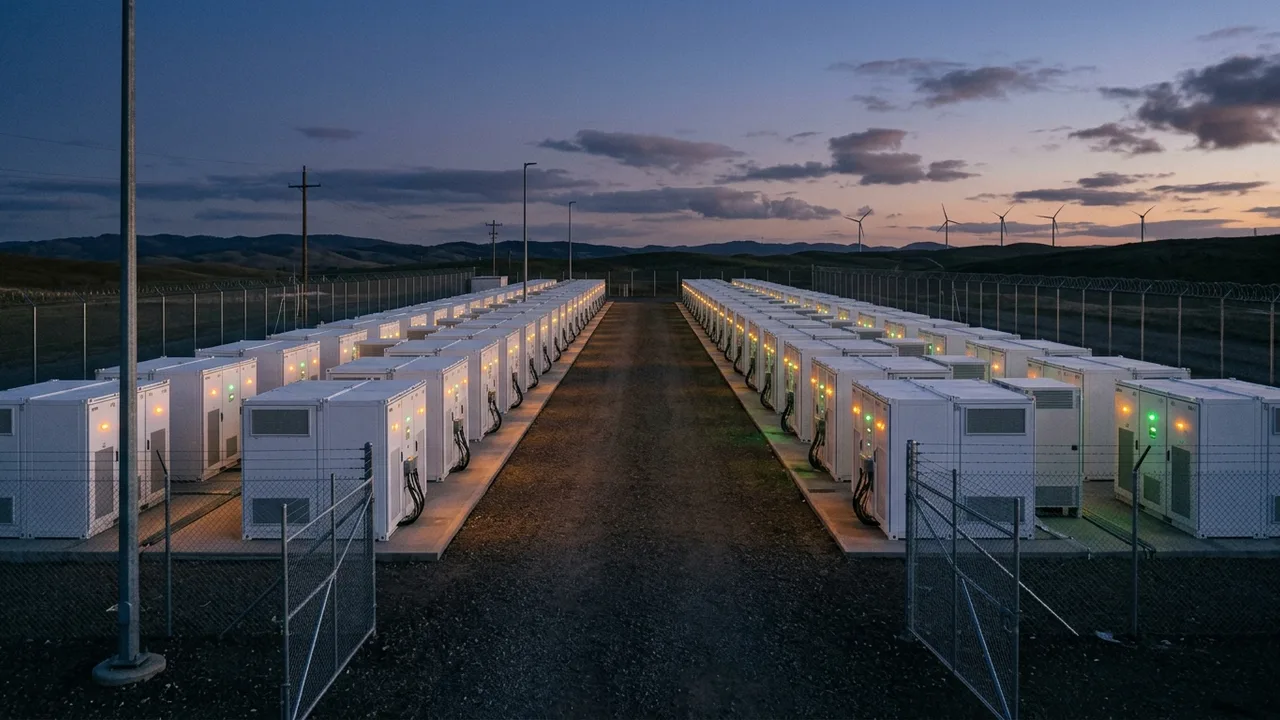
Stationary energy storage is the obvious use:
- Grid support and load balancing
- Renewable energy storage, smoothing solar and wind output
- Commercial and industrial backup
- Home energy storage
- EV charging site buffering — using second-life batteries to support rapid chargers without expensive grid upgrades, which is neatly circular
The economics work because the battery's automotive value has already been depreciated, and a stationary application doesn't care that it's heavy or that it holds 75% of its original charge.
This second life can extend a battery's useful working period substantially beyond the vehicle it was built for.
Recycling: improving, and genuinely necessary
Eventually a battery reaches the end of even its second life, and recycling becomes the answer.
The materials are genuinely valuable — lithium, nickel, cobalt, manganese, copper and aluminium. That value is what makes recycling commercially viable rather than merely virtuous, and it's the strongest reason to expect the system to work.
Two main approaches:
- Pyrometallurgical — smelting to recover metals. Established, energy-intensive, and loses some materials.
- Hydrometallurgical — chemical processes recovering a wider range of materials with better yields, and increasingly the preferred route.
Recovery rates for key materials have improved substantially, and dedicated recycling capacity is expanding as volumes grow.
The commercial logic is straightforward: as the number of end-of-life batteries grows, recycling gets more economically attractive — the opposite of the problem the objection assumes.
The genuine problems
An honest treatment needs this section, because the picture isn't uniformly positive:
1. Volume is still building. The EV fleet is young, so the flow of genuinely end-of-life batteries remains modest. Recycling infrastructure is being built ahead of the wave, and whether it scales adequately is not yet proven.
2. Chemistry varies enormously, complicating processing. A recycler handling multiple chemistries has a harder problem than one handling a standardised input.
3. Pack design frequently isn't optimised for disassembly. Adhesives, welded structures and complex integration make batteries hard to take apart — a genuine design failure that manufacturers are only beginning to address.
4. Transport and handling are regulated and expensive, because damaged lithium batteries are a fire risk.
5. Second-life applications require assessment, and evaluating a used pack's condition adds cost.
6. Extraction impacts remain real. Recycling reduces primary demand but doesn't eliminate it, and mining impacts — environmental and human — are a legitimate part of the EV conversation.
The comparison that matters
The objection is usually deployed against EVs specifically, and it deserves context.
Petrol and diesel cars consume fuel continuously and irrecoverably. That fuel is extracted, refined, transported and burned — and the resulting emissions cannot be recycled.
An EV battery is a durable good that is manufactured once, used for a long first life, reused in a second, and then substantially recovered.
That comparison doesn't make battery production impact-free — it isn't, and mining impacts are genuine. But "what happens to the batteries?" applied to EVs and not to the fuel a combustion car burns is an incomplete question.
The bottom line
EV batteries have a long first life (typically warranted 8+ years, transferable, degrading gradually rather than failing), a genuine second life in stationary storage where weight doesn't matter, and an improving recycling path made viable by the real value of the materials inside.
The genuine problems are real: volumes are still building, chemistry varies, packs frequently aren't designed for disassembly, and extraction impacts persist.
But the trajectory is clearly positive, and the economics improve rather than worsen as volumes grow — which is the opposite of what the objection assumes.
For buyers, the practical implications are simple: battery warranties are long and transfer to you; LFP chemistry is more durable if longevity matters; avoid habitual 100% charging and heavy DC fast charging where you can; and get a battery health report when buying used — non-negotiable, as our used-EV guidance argues.
The batteries are not the problem people assume. The problem is that we haven't yet built the recycling capacity for the wave that's coming — and that's a solvable engineering and investment challenge, not a fundamental flaw.
Key takeaways
- EV batteries degrade gradually rather than failing — a pack at 80% capacity is a shorter-range car, not a scrap one, and warranties transfer to used buyers
- Second life in stationary storage is the encouraging part — grid support, renewable storage and charger buffering don't care about weight or 75% capacity
- Recycling is viable because the materials are genuinely valuable — lithium, nickel, cobalt and copper — so economics improve as volumes grow
- The real problems: volumes still building, varied chemistry, packs frequently not designed for disassembly, and persistent extraction impacts
- Practical advice: LFP chemistry is more durable, avoid habitual 100% charging and heavy DC fast charging, and always get a battery health report when buying used
Sources & further reading
- Battery degradation and recycling research
- second-life storage applications
Figures, prices and policy details were current at the last-updated date above. Automotive pricing, incentives and regulations change frequently — verify time-sensitive details against the primary sources listed below. Read our editorial policy and fact-checking standards.