Hydrogen policy and infrastructure are moving quickly. Check current figures and programme status against the primary sources linked below.
The honest position
Hydrogen fuel cell passenger cars have, by any reasonable assessment, lost badly to battery electric vehicles in the passenger car market.
That's not a controversial statement in 2026 — it's simply where the evidence points. Battery electric vehicles won on infrastructure, cost, efficiency and product availability, and the gap has widened rather than closed.
But "hydrogen lost the passenger car" is not the same as "hydrogen is dead," and conflating the two is the commonest error in this discussion. The honest answer depends entirely on vehicle type, and it's genuinely different for a family car and a long-haul truck.
Why hydrogen lost the passenger car
1. Efficiency, which is the fundamental problem.
This is the argument that decides it, and it's physics rather than opinion.
Battery electric: grid electricity → battery → motor. Losses at each step, but relatively few steps.
Hydrogen fuel cell: electricity → electrolysis to produce hydrogen → compression → transport → storage → fuel cell converting back to electricity → motor. Every step loses energy.
The result is that a hydrogen car uses substantially more electricity per mile than a battery electric one. For a given amount of renewable generation, you move a car considerably further by putting the electricity in a battery.
2. Infrastructure never arrived.
Hydrogen refuelling stations are expensive to build and remain extremely scarce in most markets. Meanwhile, as our coverage documents, EV charging has expanded enormously — and crucially, home charging exists, which hydrogen can never replicate.
As our public-charging diary found, home charging is the foundation of the EV value proposition. Hydrogen has no equivalent, and never will.
3. The cost gap didn't close. Fuel cell systems, hydrogen storage and the fuel itself have remained expensive relative to batteries, which fell rapidly.
4. Product availability collapsed. Few manufacturers offer hydrogen passenger cars, and several have retreated. Buyers can't choose what isn't sold.
5. The chicken-and-egg problem was never solved. Nobody builds stations without cars; nobody buys cars without stations. BEVs escaped this because home charging worked from day one.
Where hydrogen still makes genuine sense
This is the part that gets lost, and it's where the honest case sits.
Hydrogen's advantages — fast refuelling, high energy density by weight, and no large battery mass — matter most where batteries struggle most:
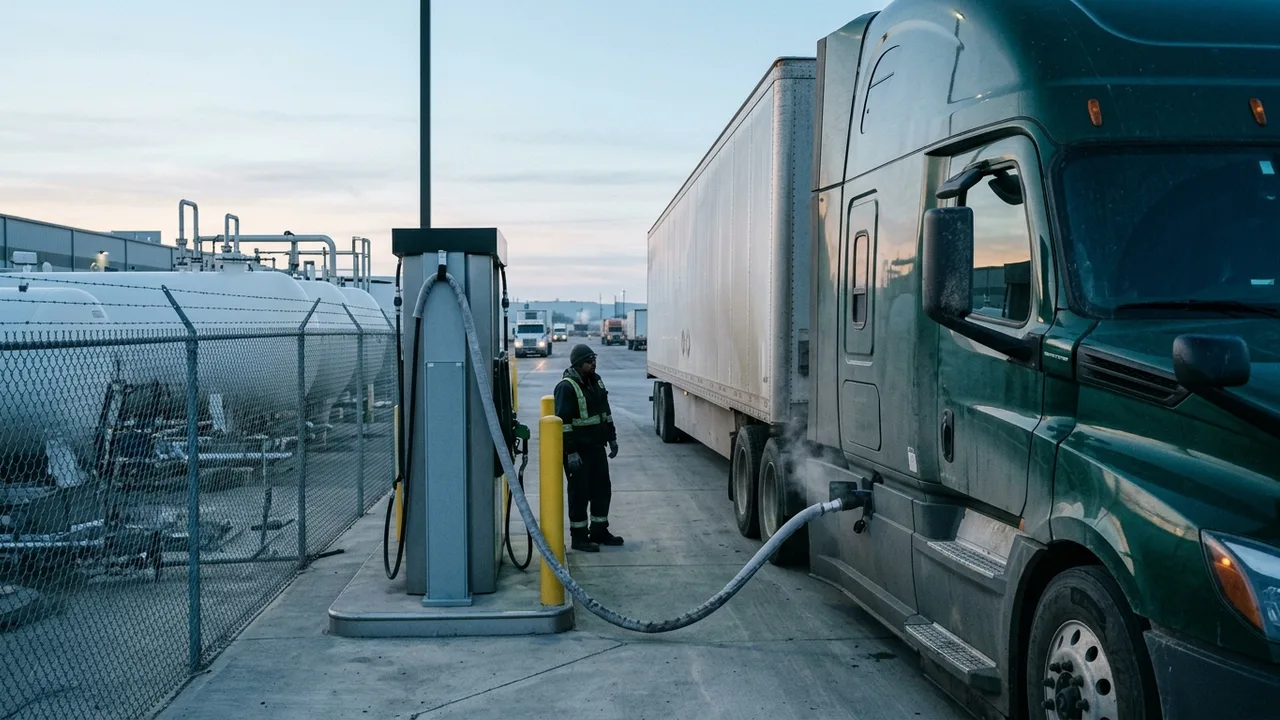
1. Long-haul heavy trucking. A battery large enough for serious long-haul freight is extremely heavy, which directly reduces payload — the entire commercial point of a truck. Weight is the argument, and it's a strong one.
2. Shipping and aviation. Batteries are essentially non-viable at the required energy scales. Hydrogen and hydrogen-derived fuels are among the plausible options.
3. Industrial applications. Steel production, chemical processes and industrial heat, where hydrogen replaces fossil inputs directly rather than competing with batteries.
4. Grid-scale energy storage. Long-duration seasonal storage, where hydrogen's poor round-trip efficiency matters less than its ability to store energy for months.
5. Specific heavy-duty niches — mining, rail in unelectrified corridors, and applications combining high energy demand with rapid refuelling requirements.
The pattern is consistent: hydrogen makes sense where batteries are too heavy or too slow to refill — and passenger cars are neither.
The "green hydrogen" caveat
Most hydrogen produced today is made from natural gas, a process that emits substantial CO₂ — so-called "grey hydrogen."
"Green hydrogen" — produced by electrolysis using renewable electricity — is the version that matters environmentally, and it remains more expensive and less available than the grey alternative.
Any hydrogen argument that doesn't specify which kind is incomplete. A hydrogen car running on grey hydrogen offers questionable environmental benefit over an efficient hybrid.
What about range-extenders?
Worth noting, because it's a related idea that is succeeding.
As our coverage documented, the Ram Ramcharger's EREV format — where an engine acts purely as a generator and never drives the wheels — solved a real problem for pickups: 145 miles of electric range, ~690 miles total, and 14,000 lb towing without range collapse. Ram believed in it enough to cancel its all-electric truck.
That's the market finding a pragmatic answer to the same problem hydrogen was supposed to solve — long range and fast refuelling — using existing infrastructure. It's a significant part of why hydrogen's passenger-vehicle window closed.
The bottom line
Hydrogen lost the passenger car, and the reason is fundamental rather than circumstantial: efficiency losses at every step mean a hydrogen car uses substantially more electricity per mile than a battery electric one, and infrastructure never arrived because home charging gave BEVs an escape from the chicken-and-egg problem that hydrogen never found.
But hydrogen isn't a dead end — it's a technology that lost one application while retaining genuine relevance in others.
Where batteries are too heavy or too slow to refill — long-haul trucking, shipping, aviation, industrial processes, seasonal storage — hydrogen's case remains real, and in some of those it's among the few plausible options.
The honest framing: hydrogen is a detour for passenger cars and a destination for heavy transport and industry. Anyone arguing it's the future of the family car is ignoring the efficiency arithmetic. Anyone declaring it dead entirely is ignoring the trucks.
Key takeaways
- Hydrogen lost the passenger car, and the reason is fundamental: efficiency losses at every step mean it uses substantially more electricity per mile than a BEV
- Home charging gave BEVs an escape from the chicken-and-egg problem that hydrogen never solved — and hydrogen can never replicate it
- Hydrogen retains genuine relevance where batteries are too heavy or too slow to refill: long-haul trucking, shipping, aviation, industry and seasonal storage
- In trucking, weight is the argument — a battery large enough for long-haul freight directly reduces payload, which is the commercial point
- Always specify green versus grey hydrogen — most hydrogen today is made from natural gas, offering questionable environmental benefit
Sources & further reading
- Hydrogen production and fuel cell efficiency data
- infrastructure analysis
Figures, prices and policy details were current at the last-updated date above. Automotive pricing, incentives and regulations change frequently — verify time-sensitive details against the primary sources listed below. Read our editorial policy and fact-checking standards.