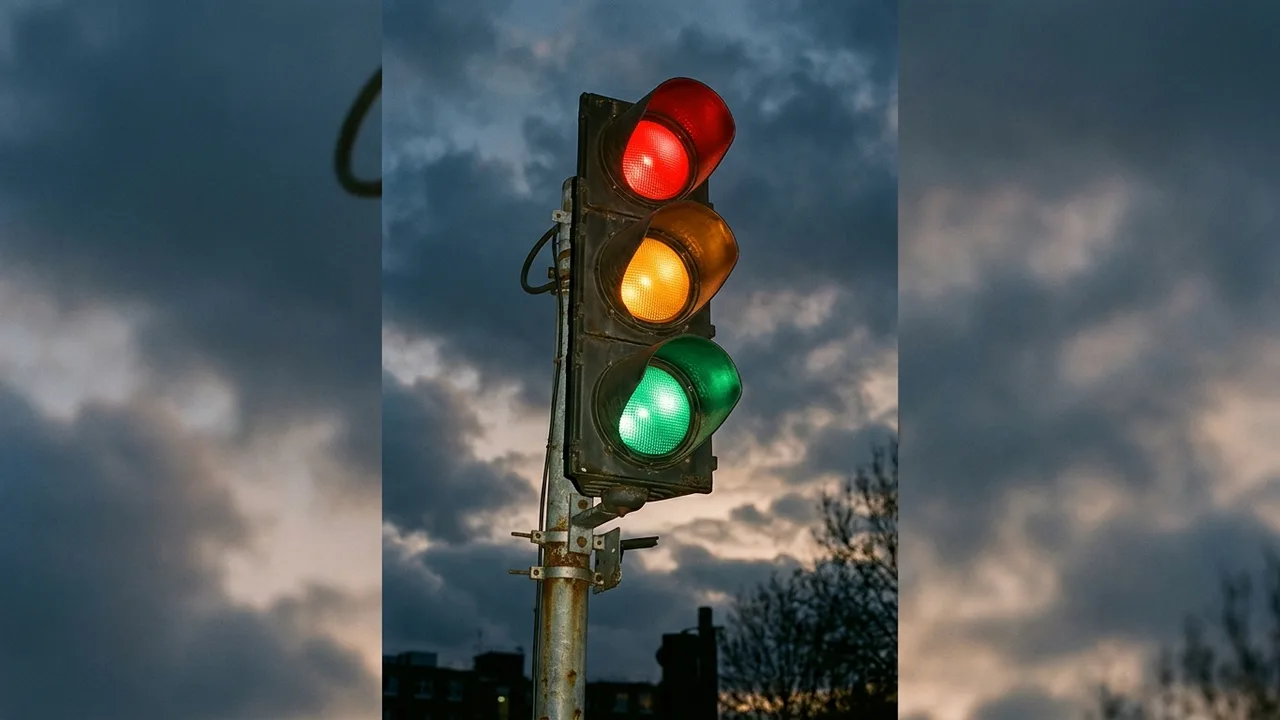
Three warnings, three completely different meanings
Most drivers treat every recall the same way: a vague sense of "I should probably get that looked at," followed by months of not getting it looked at.
That is a mistake, because recalls come in distinct severity levels, and the difference between them can be the difference between an inconvenience and a house fire.
Here is the hierarchy, from least to most urgent.
🟡 Level 1 — Standard recall
What it means: A safety defect has been identified. A free repair is available. You may continue driving the vehicle while you arrange the fix.
What to do: Book the repair at your convenience — but do book it. "Standard" does not mean "optional." It means the defect is real but the risk of imminent, catastrophic failure is low enough that normal use is acceptable in the interim.
Examples: Honda's salt-belt subframe recall (no do-not-drive advisory, ~1% estimated defect rate); most software and minor component recalls.
The trap: because standard recalls carry no dramatic warning, they are the ones people ignore — and standard recalls can be upgraded. A defect that looks minor can become a do-not-drive order as more data arrives. Don't sit on it for a year.
🟠 Level 2 — Park Outside
What it means: The vehicle may catch fire while parked, even with the ignition off. You may still drive it — but you must not park it near anything that can burn.
What to do: Park away from your house, your garage, other vehicles, and any structure, until the repair is completed. Keep driving is permitted; keep parking-in-the-garage is not.
Why this specific warning exists: some electrical faults can cause a fire when the vehicle is stationary and unattended, because the circuit remains live. The danger isn't to you while driving — it's to your home while you sleep.
Examples: The Jeep Wrangler/Gladiator power-steering-pump fire recall (1.07 million vehicles, NHTSA aware of 51 fires); numerous EV battery and 4xe plug-in hybrid fire recalls.
The counterintuitive bit: a park-outside car is often safe to drive but dangerous to park. That inverts most people's instinct, which is exactly why the specific instruction matters.
🔴 Level 3 — Do Not Drive / Stop-Drive
What it means: Stop driving the vehicle immediately. The defect is severe enough that operating the car is genuinely unsafe. This is an instruction, not advice.
What to do: Do not drive it — not to work, not to the shops, not even to the dealer. Arrange the manufacturer's free towing or recovery. Many will send a mobile technician to your home, or provide a loaner car. Ask for all of these; they're commonly available under these orders.
When it's issued: reserved for defects in steering, brakes, airbags, battery systems or structural components that could fail suddenly and without warning.
Examples:
- Ford Bronco Sport / Maverick ball joint recall (26S36): a ball joint can fail and cause total loss of steering control.
- Citroën C3 / DS3 Takata airbags (~120,000 UK cars): the airbag can detonate and fire shrapnel into the cabin.
- Dacia Spring steering rack (built 28 Jul–17 Aug 2024): the rack can rupture under load.
- Stellantis Takata do-not-drive (~225,000 US vehicles, Feb 2026): all unrepaired FCA Takata cars.
Why the language is so blunt: with a do-not-drive defect, the failure is often triggered by the exact input you'd need to avoid the accident it causes — braking hard, steering hard, or crashing (when the airbag fires). There is no "careful driving" that makes it safe.
The quick-reference table
| Level | Warning | Can you drive? | Can you park in the garage? | Action |
|---|---|---|---|---|
| 🟡 | Standard recall | Yes | Yes | Book the free repair soon |
| 🟠 | Park Outside | Yes | No | Park away from structures; book repair |
| 🔴 | Do Not Drive / Stop-Drive | No | No | Stop now; arrange free tow + loaner |
Why levels get upgraded (and rarely downgraded)
Severity is not fixed at announcement. As a manufacturer and regulator gather field data — more incidents, more fires, a fatality — a standard recall can be upgraded to park-outside, and park-outside to do-not-drive.
This is why "I'll deal with it later" is a bad strategy even for a Level 1 recall. The Takata saga is the definitive example: what began as ordinary recalls in 2008–2015 escalated, region by region and year by year, into blanket do-not-drive orders on decade-old cars — because the underlying propellant gets more dangerous with age.
The rule of thumb: recall severity tends to move in one direction. Treat every recall as something to resolve now, not as a category that will conveniently downgrade itself while you wait.
What to do with all this
- When you get a recall notice, find its severity level. It will be stated. If it isn't obvious, call the manufacturer's helpline and ask directly: "Is this a do-not-drive, a park-outside, or a standard recall?"
- Match your behaviour to the level using the table above.
- For 🟠 and 🔴, act the same day. These are not "next service" items.
- For 🔴, never drive it — including to the dealer. Use the free recovery you're entitled to.
- Don't assume a 🟡 will stay a 🟡. Book it.
Key takeaways
- 🟡 Standard recall: keep driving, book the free repair soon
- 🟠 Park Outside: safe to drive, but don't park near structures — fire risk while parked
- 🔴 Do Not Drive / Stop-Drive: stop immediately, arrange free towing and a loaner
- Do-not-drive is reserved for steering, brakes, airbags, battery and structural defects
- Severity levels get upgraded as data arrives — don't sit on any recall
Sources & further reading
- NHTSA Recalls Spotlight
- DVSA
- manufacturer recall notices (Ford, Stellantis, Citroën, Dacia, Honda). Verified July 2026.
Figures, prices and policy details were current at the last-updated date above. Automotive pricing, incentives and regulations change frequently — verify time-sensitive details with the linked primary sources. Read our editorial policy and fact-checking standards.