⚠️ Historical recall, still relevant. Announced January 2023, covering vehicles built in a narrow five-week window. If you are the first owner and Maruti contacted you, this is almost certainly closed. If you bought used, check anyway.
The recall
Maruti Suzuki recalled 17,362 vehicles to inspect and, if necessary, replace the airbag control unit.
Build window: 8 December 2022 – 12 January 2023. That is a five-week production period, which is unusually narrow — and it is the single most useful fact in this article. If your car was not built in those five weeks, you are not affected by this recall.
The six affected models
- Maruti Suzuki Alto K10
- Maruti Suzuki S-Presso
- Maruti Suzuki Eeco
- Maruti Suzuki Brezza
- Maruti Suzuki Baleno
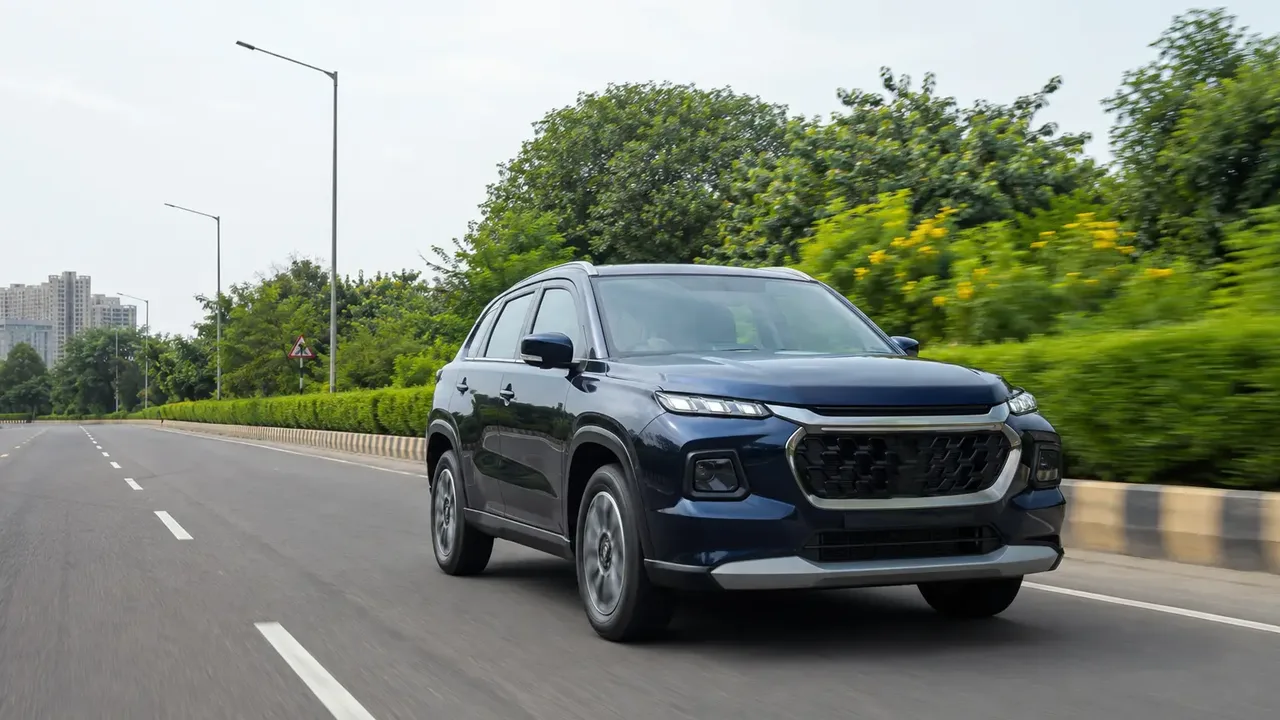
- Maruti Suzuki Grand Vitara
Six of Maruti's seventeen models on sale at the time. The spread across the range — from the Alto K10 at the bottom to the Grand Vitara at the top — tells you this was a shared component from a single supplier batch, not a model-specific design flaw.
The defect: the airbags may not deploy at all
The airbag control unit (ACU) is the brain of the restraint system. It takes data from crash sensors around the vehicle, decides in milliseconds whether an impact is severe enough to warrant deployment, and then fires the airbags and the seat belt pretensioners.
Maruti's filing to the BSE stated that a possible defect in the affected part could, in rare cases, result in non-deployment of the airbags and seat belt pretensioners in the event of a crash.
This is worth sitting with. It is the opposite failure mode to the Takata problem, and in some ways a more insidious one.
A Takata airbag fails by going off too violently. You would know something was wrong.
A faulty ACU fails by doing nothing at all. The car looks perfect. The warning light may not illuminate. Every system reports normal. And then you have an accident, and the airbags — and the pretensioners that are supposed to pull you back into the seat before the airbag arrives — simply do not fire.
You cannot detect this by driving the car. You would find out at the worst possible moment.
What Maruti said — and it was unusually blunt
Maruti advised, in its own words, that out of abundant caution, customers of the suspected vehicles should not drive or use the vehicle until the affected part is replaced.
That is effectively a stop-drive advisory, issued by India's largest carmaker, on 17,362 cars. It attracted far less attention than it deserved.
The remedy: free inspection and replacement of the airbag control unit at authorised Maruti workshops. Affected owners were contacted directly.
Maruti's run of recalls in that period
This was Maruti's third safety recall in four months, and the cluster is worth noting:
- October 2022: ~9,000 Wagon R, Ignis and Celerio units — rear brake assembly
- December 2022: ~9,125 Ciaz, Brezza, Ertiga, XL6 and Grand Vitara units — a defect in a child part of the front seat belt shoulder height adjuster, which in rare circumstances could necessitate seat belt disassembly
- January 2023: 17,362 units — airbag control unit
Three recalls, roughly 35,000 vehicles, all restraint or braking systems, all within four months.
The honest reading is twofold. It reflects genuine supplier quality problems during a period of severe global component shortages. It also reflects a manufacturer that was actually reporting them — which, in a market where recalls were historically buried, is progress. Maruti has since become one of the more active users of the SIAM voluntary recall system.
What to do
1. Find your manufacturing date. It is on the VIN plate and on your RC. You need month and year.
2. Was it built between 8 December 2022 and 12 January 2023? If no, you are clear of this recall. If yes — or if you are unsure — proceed.
3. Check the SIAM database. siam.in → Voluntary Recall Information → select Maruti Suzuki India Ltd → filter by year and model.
4. Call a Maruti authorised workshop with your VIN. They can confirm definitively whether the ACU replacement was carried out on your chassis number. This is the only answer you should trust.
5. If you bought used: do step 4 regardless of what the seller told you. The recall notice went to the first registered owner. Under SIAM's voluntary code, safety recall coverage runs for seven years and targets the first buyer. A December 2022 car is still well inside that window — but only if someone actually acts on it.
Key takeaways
- 17,362 vehicles recalled January 2023 over a faulty airbag control unit
- Models: Alto K10, S-Presso, Eeco, Brezza, Baleno, Grand Vitara
- Build window: 8 December 2022 – 12 January 2023 only — a five-week period
- The defect can cause airbags AND seat belt pretensioners to fail to deploy in a crash
- Maruti advised owners not to drive affected vehicles until the part was replaced
Sources & further reading
- Maruti Suzuki BSE regulatory filing (January 2023)
- SIAM Voluntary Recall Information database
- CarDekho
- CarTrade
- Zee Business. Verified July 2026 — confirm current status with a Maruti authorised workshop.
Figures, prices and policy details were current at the last-updated date above. Automotive pricing, incentives and regulations change frequently — verify time-sensitive details with the linked primary sources. Read our editorial policy and fact-checking standards.