The forgotten value leader
Renault's India relaunch runs through the Kiger, and the facelift quietly turned it into one of the best-equipped budget SUVs on sale: six airbags and ESC standard on every variant, plus a multi-view camera, ventilated front seats, TPMS and cruise control as you climb the 19-variant range. Prices span roughly ₹5.81–10.35 lakh ex-showroom — undercutting equivalent Punches and Exters spec-for-spec.
The pre-facelift car held a 4-star Global NCAP adult rating; the updated car's Bharat NCAP result is still awaited, but the standard-kit upgrade speaks for itself.
Familiar bones, honest engineering
Mechanically the Kiger mirrors the Nissan Magnite: a 72 PS 1.0 NA petrol (manual/AMT) and the 100 PS 1.0 turbo (manual or X-Tronic CVT). The same advice applies — the NA engine is city-adequate and highway-strained; the turbo-CVT is the version worth owning. Efficiency is a genuine strength: ARAI figures run 19.83–20.38 kmpl depending on variant, among the best petrol numbers in the class.
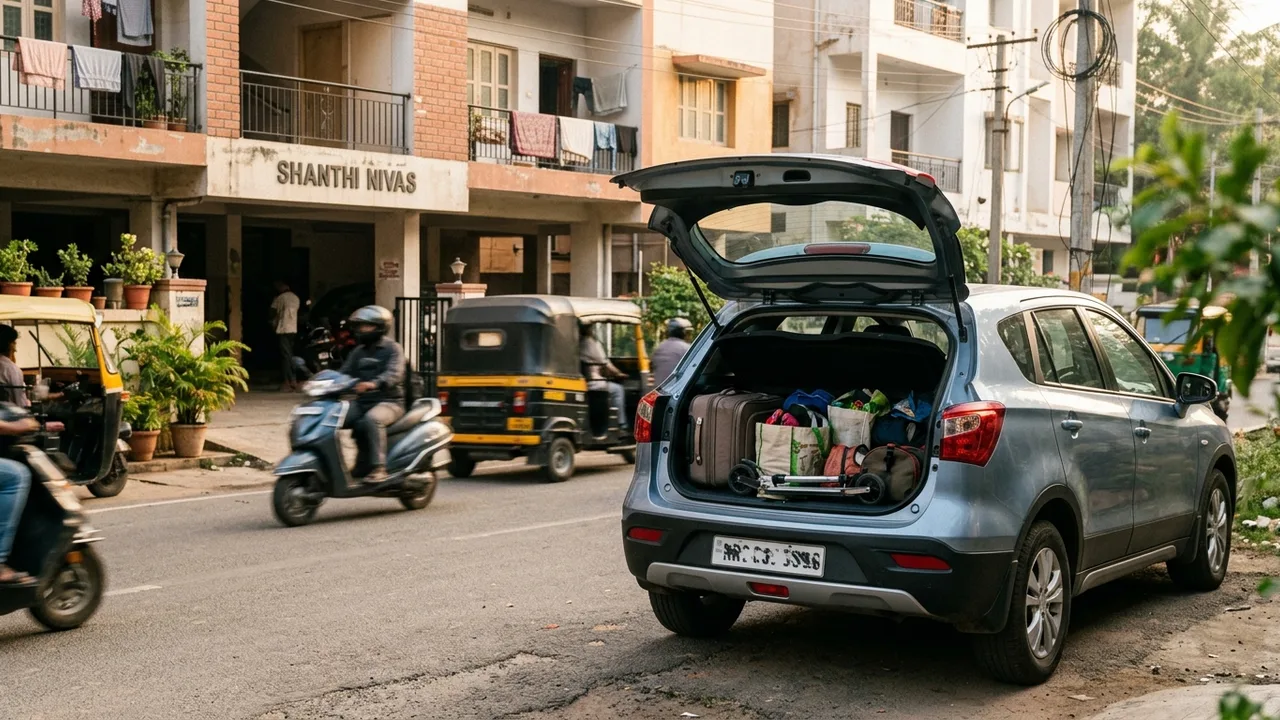
Where the Kiger pulls ahead of its twin is packaging: a 405-litre boot — enormous for the class — clever oddment storage throughout, and a ride tuned with typical Renault suppleness that deals with broken roads better than several pricier rivals.
The honest assessment
The compromises are tactile rather than mechanical. Cabin plastics are hard, the touchscreen is low-resolution by 2026 standards, and there's no ADAS at any price — the Kiger competes on fundamentals, not tech theatre. Renault's network is mid-sized (larger than Nissan's, well behind Maruti's), and resale values sit below the segment's Korean and Maruti norms, which matters if you swap cars every three years.
If you keep cars long and buy on content per rupee, the Kiger's case is close to unanswerable.
The questions buyers actually ask
Kiger or Punch? The Tata counters with crash-test celebrity and a wider CNG/EV ecosystem; the Kiger answers with more space, a bigger boot, standard six airbags and a better automatic. Families needing luggage room lean Renault.
AMT or CVT? The CVT, without hesitation, if the budget allows — it transforms the car. The AMT is the price of entry to two pedals, nothing more.
Will the low resale hurt me? Only if you sell early. Over seven-plus years of ownership, the purchase saving and low service costs typically outweigh the resale gap.
Key takeaways
- ₹5.81–10.35 lakh; 6 airbags and ESC standard across all 19 variants
- 405 L boot and supple ride are class benchmarks; ARAI up to 20.38 kmpl
- Turbo-CVT is the pick; the 72 PS NA engine struggles when loaded
- No ADAS, hard plastics, low-res screen — fundamentals over tech
- Facelift's Bharat NCAP score still awaited; pre-facelift was 4-star GNCAP
Sources & further reading
- Renault India facelift announcements and price lists
- Global NCAP archive
- CarLelo and 91wheels variant data, July 2026
Figures, prices and policy details were current at the last-updated date above. Automotive pricing, incentives and regulations change frequently — verify time-sensitive details against the primary sources listed below. Read our editorial policy and fact-checking standards.