The bill is enormous — and it's being split three ways
The Section 232 auto and parts tariffs impose tens of billions in annual costs on the industry. The Tax Foundation estimates the surviving Section 232 tariffs will raise $635 billion over a decade and cost US households an average of $400 in 2026 — and that's the net figure after absorption. The gross cost to manufacturers is far larger.
Faced with a 25% duty on imported vehicles and parts, an automaker has essentially three levers. Most are pulling all three at once, in different proportions for different models. Understanding the mix tells you what's really happening to the car you're about to buy.
Lever 1 — Pass it to the buyer (raise the price)
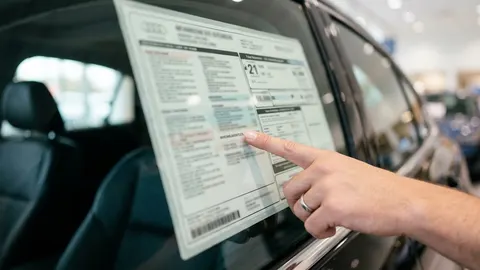
The most direct response: add the tariff to the sticker.
But it's rarely a clean 1:1 pass-through, for a simple reason — the US new-car market is fiercely competitive, and a brand that passes on the full 25% while a rival absorbs half will lose the sale. So pass-through tends to be partial and selective: heavier on models with pricing power (luxury, low-competition segments) and lighter on volume models fighting for share.
There's an important historical contrast here. During the 2018–19 US-China tariffs, studies found consumer prices rose almost one-for-one with tariff levels — Americans ate nearly the whole thing. That's the US pattern: pass-through tends to be high. (Europe's experience with Chinese-EV tariffs was the opposite — Chinese firms absorbed the cost to buy market share. But that reflects a challenger buying entry, not the incumbent dynamics of the US market.)
The practical read: in the US, expect meaningful pass-through — not necessarily the full 25%, but a substantial share of it, especially on imported and import-heavy models.
Lever 2 — Absorb it (accept thinner margins)
The second lever is to eat some of the cost, protecting the sticker price at the expense of profit.
Manufacturers do this to defend market share and volume — a car you don't sell earns nothing, so a thinner margin on a sale can beat a fat margin on a car sitting on the lot. But absorption has limits: it hits earnings, spooks investors, and simply isn't sustainable at 25% across a whole import-heavy lineup.
You can see the strain in the financials. Several manufacturers have reported tariff-driven margin pressure; Honda reported multi-billion-dollar losses in 2026 (compounded by its EV retreat); Polestar reported deteriorating gross margins with tariffs cited among the causes. Absorption is real, but it's a shock absorber, not a solution.
Lever 3 — Claw it back invisibly (decontent and reshuffle)
This is the lever consumers notice least and should watch most.
Rather than raise the visible price, manufacturers can hold the sticker and quietly cut cost out of the car:
- Decontenting — dropping standard features, simplifying trims, deleting options that were previously included
- Trim reshuffling — moving desirable features up into pricier trims, so the entry price holds but the car you actually want costs more
- Sourcing changes — switching to cheaper (sometimes lower-quality) suppliers to offset duty
- Model rationalisation — quietly discontinuing the lowest-margin variants and configurations
The sticker looks stable. The value has eroded. You pay the same and get less — which is a price increase that doesn't show up in the price.
The fourth response: move production (the slow lever)
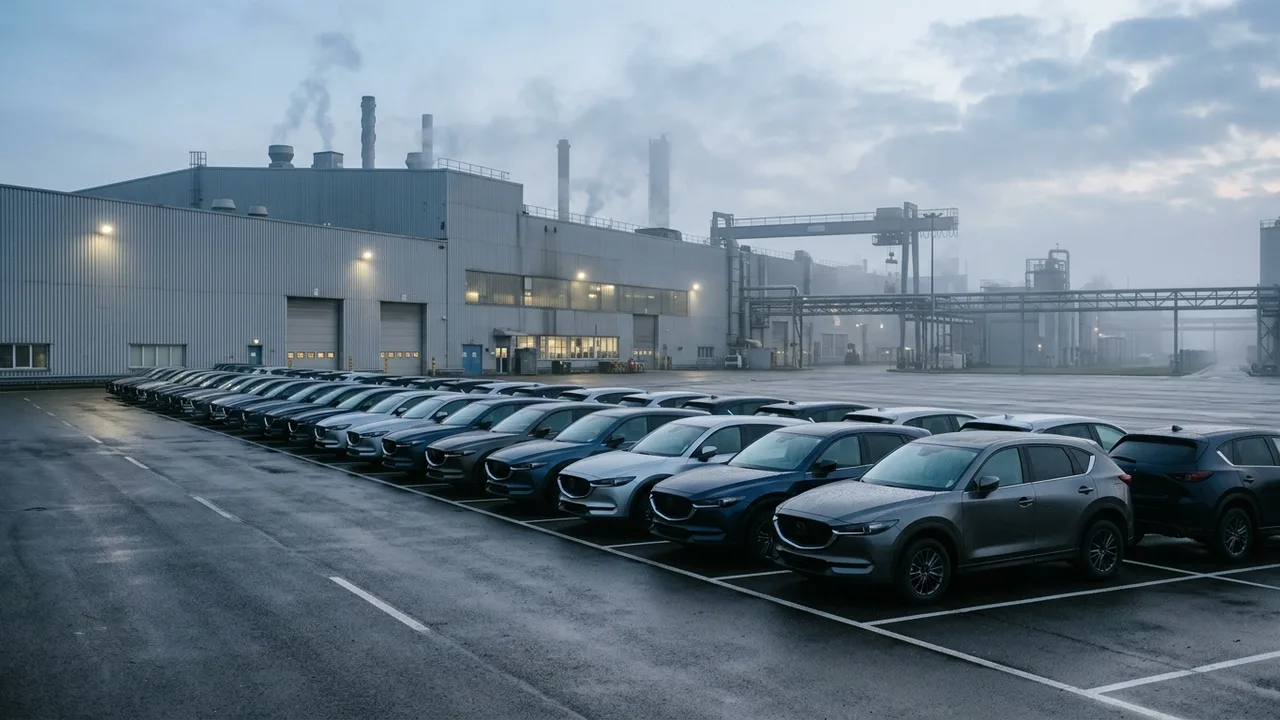
Longer-term, the structural response is to relocate assembly to the US to escape the vehicle tariff.
But two things blunt this:
1. It takes years. A new or retooled assembly plant is a multi-year, multi-billion-dollar commitment. It cannot respond to a tariff that might change before the plant opens.
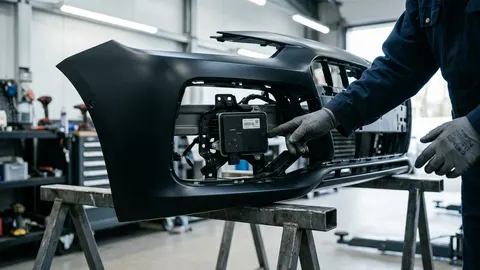
2. It doesn't escape the parts tariff. As we've covered, a US assembly plant running on imported engines, transmissions and electronics still pays 25% on those parts. Moving final assembly onshore reduces exposure; it doesn't eliminate it. The 3.75%-of-MSRP import-adjustment offset softens this, but only partially.
This is why the tariffs haven't triggered the wholesale reshoring their proponents envisioned. The supply chain is genuinely global and genuinely slow to move.
How to tell what's happening to your car
You can't see a manufacturer's margin decisions. But you can read the signals:
1. Compare this year's spec to last year's. If the price held but a previously-standard feature is now optional or trim-locked, you're looking at decontenting — a hidden price rise. Old road tests and spec sheets are your friend here.
2. Ask where it's built — and where the engine's from. A US-assembled car with an imported powertrain still carries parts-tariff cost. A USMCA-compliant Mexican build may carry none. The badge tells you nothing.
3. Watch which variants quietly disappear. If the cheapest, best-value configuration vanished from the configurator, that's tariff-driven rationalisation removing your budget option.
4. Negotiate on absorption. In segments with heavy competition, manufacturers are absorbing — which means there's margin in the deal. A well-informed buyer in a competitive segment can capture some of that.
The honest bottom line
The tariff is being paid — the only question is by whom, and in what form. Some lands on the sticker. Some vanishes into thinner margins the manufacturer won't sustain forever. Some is clawed back invisibly by giving you less car for the same money.
For most buyers, the net effect is real: analysts put the average household cost of the surviving tariffs at around $400 in 2026, and specific import-heavy models carry far more. The tariff doesn't disappear because a CEO decided to "absorb" it — it just changes shape.
The best defence is information: know where your car and its engine are built, compare its spec to last year's, and negotiate hardest in the segments where absorption is deepest.
Key takeaways
- Automakers split the tariff three ways: pass it to buyers, absorb it into margins, or claw it back by decontenting
- US pass-through tends to be high — 2018–19 tariffs raised consumer prices nearly one-for-one
- Absorption is real but unsustainable at 25%; several makers report tariff-driven margin pressure
- Watch for decontenting — a held sticker with fewer features is a hidden price rise
- Moving assembly onshore takes years and still doesn't escape the 25% parts tariff
Sources & further reading
- Tax Foundation
- CEPR
- Cox Automotive
- Congressional Research Service
- manufacturer earnings reports (Honda, Polestar). Verified July 2026.
Figures, prices and policy details were current at the last-updated date above. Automotive pricing, incentives and regulations change frequently — verify time-sensitive details with the linked primary sources. Read our editorial policy and fact-checking standards.