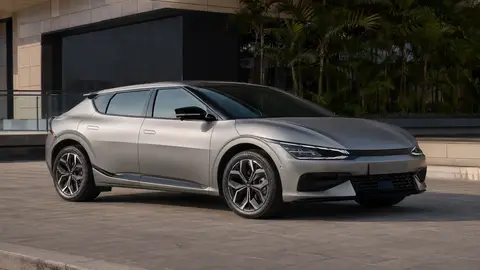
Vehicle-to-load (V2L) — using an EV's battery to power external devices through a standard outlet — is now offered on many mainstream EVs including Hyundai/Kia/Genesis E-GMP models, Ford F-150 Lightning, Rivian, and Tesla Cybertruck, typically supplying 1.8-9.6kW depending on the model. Vehicle-to-home (V2H) and vehicle-to-grid (V2G), which can back up part or all of a house during an outage, require additional home hardware (a compatible inverter/transfer switch, often $1,500-$5,000+ installed) and remain less common but are expanding, led by Ford's Intelligent Backup Power and Kia/Hyundai's home integration options.
At a glance
| Capability | What it does |
|---|---|
| V2L (vehicle-to-load) | Powers a device via an outlet in the car or a plug-in adapter, no home hardware needed |
| V2H (vehicle-to-home) | Backs up part/all of a house during an outage, needs an inverter/transfer switch |
| V2G (vehicle-to-grid) | Feeds power back to the utility grid, still limited/pilot-stage in most US markets |
| Typical V2L output | 1.8kW-9.6kW depending on model |
| V2H install cost | Roughly $1,500-$5,000+ for compatible hardware and installation |
From a camping perk to a home-backup feature
V2L started as a convenience feature — a household-style outlet in the truck bed or cabin that could run a cooler, power tools, or a campsite setup without a generator. Hyundai and Kia's E-GMP platform (Ioniq 5, EV6) popularized it broadly, and Ford's F-150 Lightning pushed it further by marketing whole-home backup capability as a headline feature, which shifted the conversation from 'nice camping trick' to 'potential generator replacement.'
V2L vs. V2H vs. V2G — what's actually different
V2L is the simplest: plug something directly into an outlet on or connected to the car, similar to using a generator, with output limited to what that outlet circuit can handle (often 1.8-3.6kW on smaller setups, more on trucks). V2H requires dedicated home hardware — typically a bidirectional charger or inverter and an automatic transfer switch — that lets the EV back up a home's electrical panel, either partially or fully, during a grid outage. V2G goes furthest, allowing the car to send power back into the utility grid, which requires utility approval and specialized equipment, and remains mostly in pilot programs rather than mainstream consumer use in the US as of 2026.
What V2L can realistically run
- Power tools, a mini-fridge, or a laptop at a job site or campsite
- Small kitchen appliances during a short outage
- A window AC unit or space heater on higher-output systems (check the wattage rating)
- Not typically enough for a whole home simultaneously without V2H-level hardware
The home-backup case, realistically
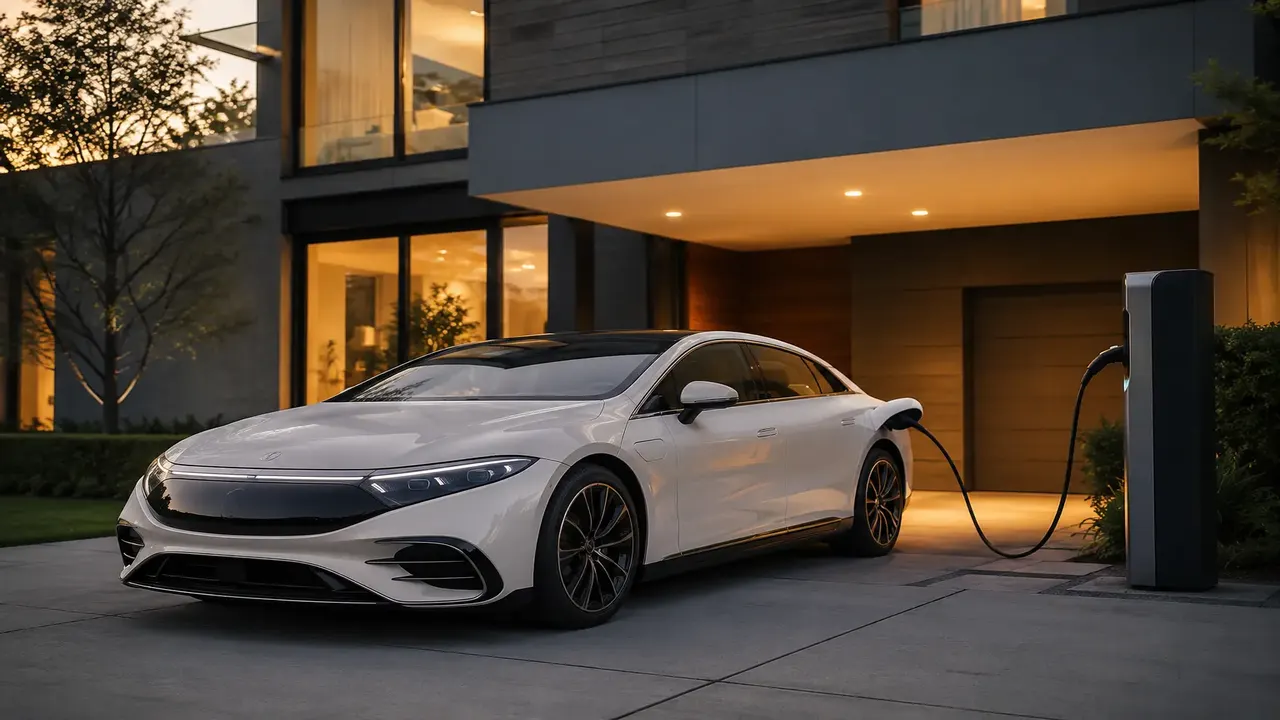
Ford's Intelligent Backup Power system, when installed with the compatible Home Integration System, can power an average home for multiple days on a full F-150 Lightning battery depending on usage, similar in concept to a large battery backup system. This isn't unique to Ford — Kia, Hyundai, and Rivian have rolled out or announced similar V2H options — but it requires professional installation and isn't as simple as plugging in an extension cord.
Using V2L or V2H regularly does draw down the EV's battery, meaning less range available for driving, and repeated deep discharge/recharge cycling from home-backup use could contribute to battery wear over time, though manufacturers generally design for this use case.
Is it worth factoring into a purchase decision
If you already own tools, a camper, or live somewhere with frequent outages, V2L capability is a genuinely useful bonus feature that costs nothing extra to use once built in. Full home-backup (V2H) is a bigger financial and installation commitment, more comparable to buying a home battery system than a simple car feature, so it's worth pricing out separately rather than assuming it's included.
Frequently asked questions
What is the difference between V2L and V2H?
Which EVs support vehicle-to-load in 2026?
How much does it cost to set up vehicle-to-home backup power?
Does using V2L or V2H drain my EV's driving range?
Can my EV send power back to the electric grid?
Sources & further reading
- U.S. Department of Energy — Vehicle-to-Grid and Bidirectional Charging
- SAE International — Automotive Standards
- Consumer Reports — Car Technology
Figures, prices and policy details were current at the last-updated date above. Automotive pricing, incentives and regulations change frequently — verify time-sensitive details with the linked primary sources. Read our editorial policy and fact-checking standards.