Reliability is a used-car question first
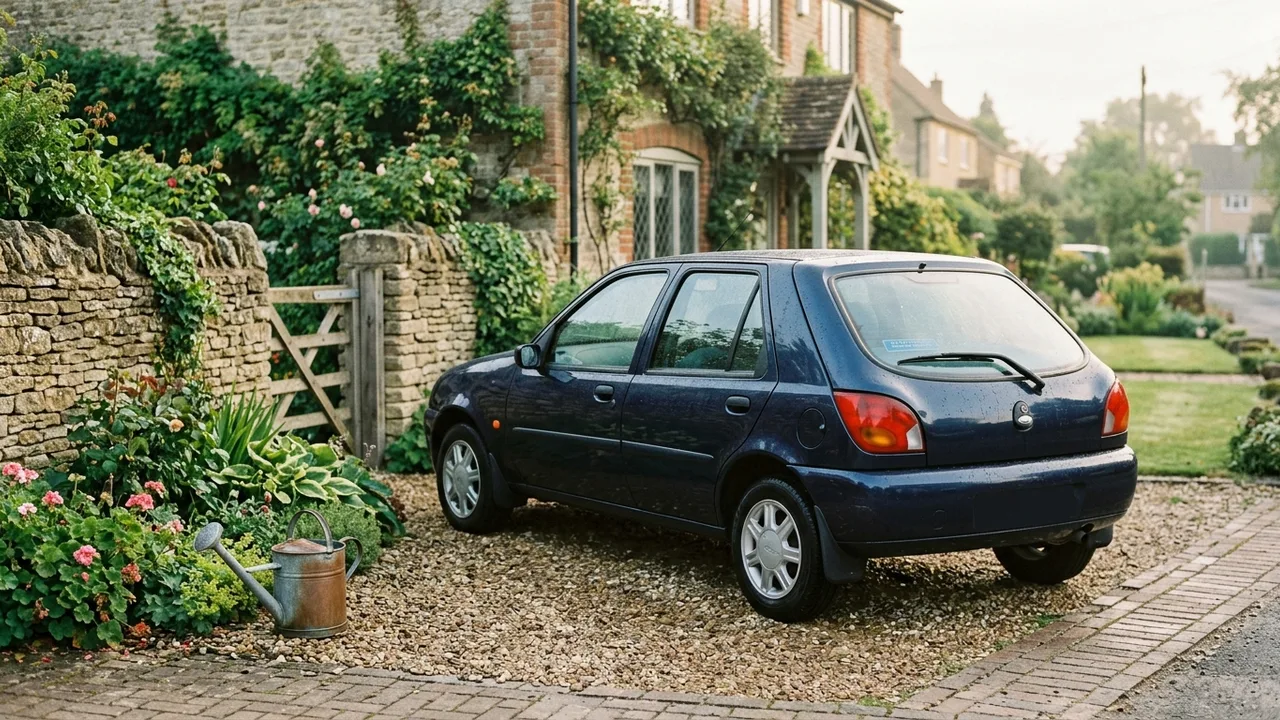
New cars are all reliable for the first three years, because the warranty makes reliability the manufacturer's problem. The question that actually matters to most UK buyers — where the average car on the road is over nine years old — is what happens between years five and twelve. That is when design decisions, cost-cutting and engineering culture reveal themselves, and when the difference between a dependable car and a fragile one is measured in four-figure garage bills.
This guide is built from the pattern that emerges across owner-reported surveys, warranty-claim data and the fault categories UK garages see most: not a single magic source, but the consistent picture they paint together.
The shortlist: used cars that earn their reputation
Toyota Yaris (2011 onwards). The hybrid Yaris is about as close to a sure thing as used motoring offers. The powertrain has no conventional clutch or belt-driven alternator to wear, the batteries routinely outlast the car, and servicing is cheap. Interior plastics scratch and the ride is unexceptional — the faults are honest and cosmetic rather than mechanical.
Honda Jazz (2008 onwards). The Jazz's owner demographic is famously careful, but the car deserves credit too: chain-driven engines, unstressed suspension and a gearbox that shrugs off town work. The Magic Seats make it more practical than several cars a class above.
Lexus CT and NX. Lexus tops owner-satisfaction surveys with monotonous regularity, and the mechanically related Toyota hybrid running gear is the reason. A CT200h is essentially a Prius in a suit — dull to drive, nearly impossible to break.
Suzuki Swift. Simple, light and under-stressed. Suzuki's reliability record embarrasses several premium brands, and parts are cheap when something does wear. Rustproofing on older cars is the one genuine watch-item.
Mazda 3 and CX-5. Mazda stayed loyal to naturally aspirated petrol engines when rivals downsized onto small turbos, and used buyers collect the dividend: no turbo to fail, no wet belt to disintegrate, no direct-injection carbon build-up drama on the scale rivals suffer.
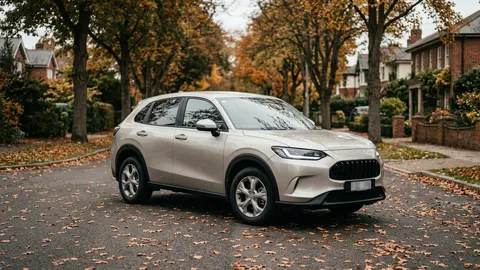
Kia Sportage and Hyundai Tucson (petrol). The Korean pair combine solid electrics with the reassurance that many examples still carry the balance of Kia's seven-year warranty — a used car with factory cover is reliability you can enforce.
The patterns behind the failures
Knowing what breaks is more useful than memorising model names, because the same failure families recur across brands.
- Small turbo petrols with wet timing belts. Belts that run in engine oil can shed rubber into the oil pickup, starving the engine. Budget for documented belt changes or walk away.
- Early dual-clutch automatics. Dry-clutch DCTs from the early 2010s suffer clutch-pack and mechatronic failures that can cost more than the car is worth. A conventional torque-converter auto or CVT is the safer used buy.
- Diesel after-treatment on town cars. DPFs, EGR valves and AdBlue systems fail expensively when diesels live on short urban runs. A used diesel is only a good buy if the previous owner drove the way diesels need.
- Complex air suspension and folding hardtops. Anything with compressors, airbags at each corner or roof hydraulics ages into a money pit unless the history file is immaculate.
How to buy reliability, whatever you choose
The individual car matters more than the model's reputation. A neglected Yaris is a worse bet than a cherished Alfa Romeo. Three checks tilt the odds decisively:
- History over mileage. A 90,000-mile car with twelve stamps and receipts beats a 50,000-mile car with gaps. Motorway miles are the easiest miles a car can live.
- MOT history is free intelligence. The government's online MOT checker shows every advisory back to 2005. A car that collects suspension and corrosion advisories every year is telling you its future.
- A pre-purchase inspection pays for itself. For £150–£250, an independent inspection converts hope into information. On any car over £5,000 it is the cheapest insurance available.
The honest caveat
Reliability data always describes the past. A model that was dependable from 2015 to 2022 was built by a company under different cost pressures than today's. Treat every shortlist — including this one — as a probability statement, not a guarantee, and let the individual car's history file cast the deciding vote.
Key takeaways
- Toyota, Lexus, Honda, Suzuki and Mazda dominate UK used-reliability records for consistent engineering reasons
- Hybrid drivetrains from Toyota and Lexus remove most of the wear items that kill ordinary used cars
- Wet-belt turbo petrols, early dry-clutch DCTs and short-run diesels are the recurring money pits
- A full service history and clean MOT record beat any brand reputation
- Spend £150–£250 on an independent inspection before any used purchase over £5,000
Sources & further reading
- UK owner-reliability surveys (What Car?, Which? and Driver Power methodologies)
- DVSA MOT anonymised test data
- UK warranty-provider claim summaries
- True Motion Auto used-market analysis, July 2026
Figures, prices and policy details were current at the last-updated date above. Automotive pricing, incentives and regulations change frequently — verify time-sensitive details with the linked primary sources. Read our editorial policy and fact-checking standards.