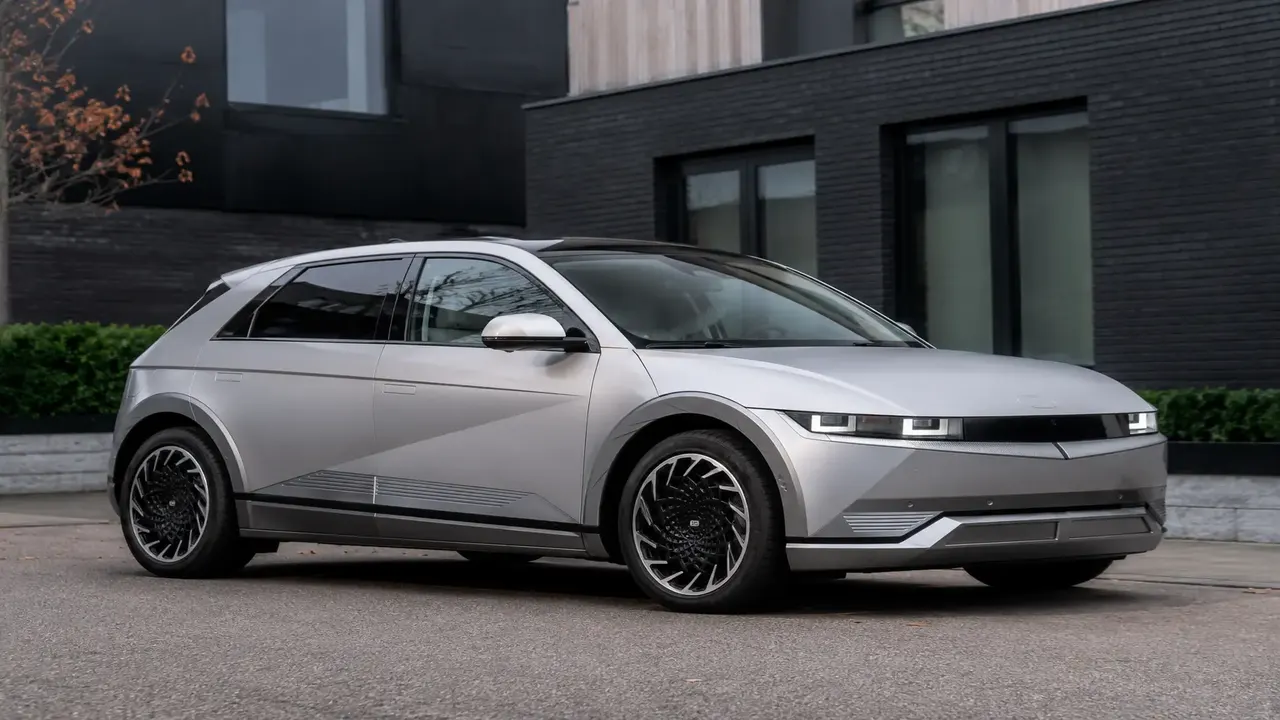
The Tesla Model Y leads on charging network access via Supercharger, strong efficiency, and frequent over-the-air software updates, with the largest global sales volume of any EV. The Hyundai Ioniq 5 and Kia EV6 share the same dedicated E-GMP EV platform and 800-volt fast-charging architecture, giving both very fast DC charging (roughly 10-80% in around 18 minutes under ideal conditions on compatible high-power chargers), with the Ioniq 5 leaning into distinctive retro-futurist styling and a more spacious, lounge-like interior, and the EV6 tuned toward a sportier driving feel and coupe-like roofline.
At a glance: Tesla Model Y vs Hyundai Ioniq 5 vs Kia EV6
| Factor | Tesla Model Y | Hyundai Ioniq 5 | Kia EV6 |
|---|---|---|---|
| Platform | Tesla-specific | Hyundai-Kia E-GMP (shared) | Hyundai-Kia E-GMP (shared) |
| Charging architecture | 400V (Tesla Supercharger network) | 800V — very fast DC charging capable | 800V — very fast DC charging capable |
| Styling | Minimalist crossover | Retro-futurist, boxy proportions | Sportier, coupe-like roofline |
| Interior character | Screen-centric, minimalist | Spacious, flexible, lounge-like | Driver-focused, slightly sportier layout |
| Sales/network strength | Highest global EV sales volume | Strong and growing | Strong and growing |
Same segment, three different engineering starting points
The Model Y is Tesla's own from-the-ground-up design, while the Ioniq 5 and EV6 are both built on Hyundai-Kia's dedicated E-GMP electric platform — meaning those two share a huge amount of underlying engineering (battery packs, motors, charging architecture) while wearing distinctly different styling and interior treatments from their respective brands.
Charging speed: the E-GMP advantage
The Ioniq 5 and EV6's 800-volt architecture is a genuine practical advantage: on a sufficiently powerful DC fast charger, both can add a large portion of range in roughly 18 minutes under ideal conditions — among the fastest charging times in the mainstream EV market. The Model Y uses a 400-volt architecture, which is generally slower to charge from empty on paper, but Tesla's Supercharger network is extensive and generally reliable, which in practice often matters as much as peak charging speed for real-world road-trip convenience.
Design and interior differences
Hyundai's Ioniq 5 wears a deliberately retro-futurist design (pixel-style lighting details, a boxy but aerodynamic silhouette) and a genuinely spacious, flexible interior helped by the flat floor that dedicated EV platforms allow — many reviewers describe its front seats' optional relaxation/recline function and sliding center console as standout comfort features. Kia's EV6 uses the same underlying platform but wears a sportier, more coupe-like roofline and a more driver-focused cabin layout, trading a little headroom and cargo flexibility for a sportier stance. Tesla's Model Y keeps its now-familiar minimalist approach, with almost all functions routed through its central touchscreen and comparatively fewer physical buttons than either rival.
Efficiency and real-world range
All three are competitive in their class, with official range figures depending heavily on trim, wheel size, and single- vs. dual-motor configuration — check current ratings for the exact trim you're considering, since figures change with model-year updates and battery revisions. Tesla has historically had an efficiency edge from its powertrain engineering, though the gap to the E-GMP siblings has narrowed as Hyundai-Kia has refined the platform since its debut.
Mistakes to avoid when comparing
- Assuming the Ioniq 5 and EV6 are functionally identical — shared platform, but real differences in interior packaging, ride tuning, and styling exist.
- Overlooking that 800V ultra-fast charging speeds require a compatible high-power charger — many public chargers won't deliver the Ioniq 5/EV6's peak charging rate.
- Comparing base-trim single-motor range against a rival's higher dual-motor trim range, which isn't an apples-to-apples comparison.
- Ignoring current incentive eligibility, which varies by price cap, manufacturing/sourcing rules, and your specific location.
Which one fits which buyer
Choose the Model Y if Supercharger network access, software-driven features, and Tesla's ecosystem matter most to you. Choose the Ioniq 5 if you want the most spacious, flexible, lounge-like interior with distinctive retro-futurist styling and ultra-fast charging capability. Choose the EV6 if you want that same fast-charging platform with a sportier driving feel and more coupe-like styling.
Frequently asked questions
Do the Hyundai Ioniq 5 and Kia EV6 share the same platform?
Which charges faster, the Model Y or the Ioniq 5/EV6?
Which has more interior space, the Ioniq 5 or the EV6?
Is the Tesla Model Y still the best-selling electric crossover?
Do all three qualify for EV purchase incentives?
Sources & further reading
- EPA fueleconomy.gov — official EV range and efficiency ratings
- US Department of Energy — Alternative Fuels Data Center
Figures, prices and policy details were current at the last-updated date above. Automotive pricing, incentives and regulations change frequently — verify time-sensitive details with the linked primary sources. Read our editorial policy and fact-checking standards.