📚 MOMENTS & MILESTONES.
Electric cars are older than petrol ones
This is the fact that reframes everything: electric vehicles predate the dominance of internal combustion.
In the early twentieth century, electric cars were a genuine and competitive option — quiet, clean, easy to operate at a time when starting a petrol engine required a crank handle and some courage.
They lost, and the reasons are the same ones that killed every subsequent attempt: energy density, range, refuelling time and infrastructure.
Petrol won because liquid hydrocarbons store enormous energy in small mass and refill in minutes. That advantage was decisive for roughly a century.
The attempts, and what killed each
Early electrics (1900s–1920s). Competitive until petrol infrastructure, the electric starter motor and mass production made combustion cheaper and more practical. Killed by: energy density and cost.
1970s oil crisis programmes. As our 1973 piece covered, the crisis prompted serious alternative-fuel efforts. Battery technology wasn't remotely ready. Killed by: technology.
⭐ GM EV1 (1996–1999). The most instructive case.
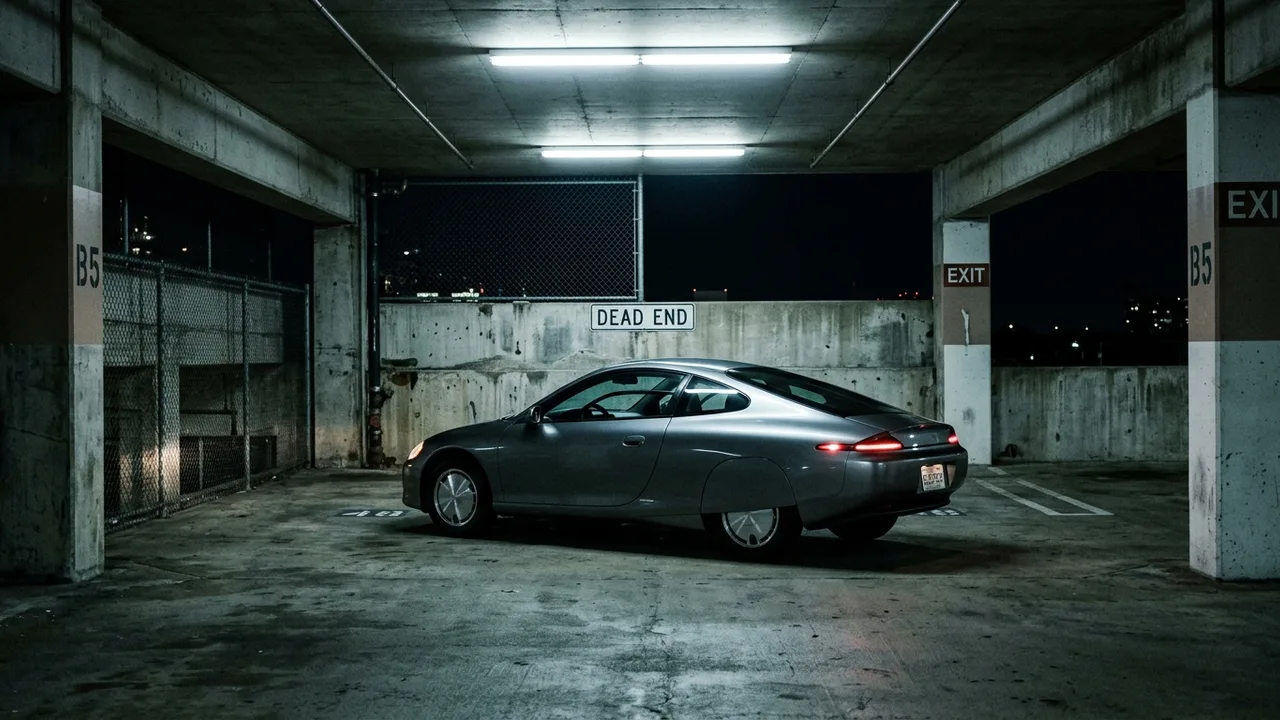
The EV1 was a genuinely purpose-designed electric car — not a converted combustion model — with lightweight construction, careful aerodynamics and real engineering investment.
It was leased rather than sold, produced in small numbers, and the programme was terminated with most vehicles recovered and destroyed — a decision that generated lasting controversy and a documentary.
What actually killed it is contested, and the honest answer is probably several things:
- Lead-acid batteries initially, offering limited range
- Very high cost per vehicle
- Minimal charging infrastructure
- Small potential market at the price
- Regulatory changes that removed the mandate driving it
- Genuine commercial doubt at GM about whether it could ever be profitable
The important point: whatever the motives, the technology and economics of 1999 were genuinely difficult. The EV1 was ahead of its batteries.
Early 2000s conversions and city cars. Limited range, limited appeal, limited infrastructure.
What finally changed
Four things converged, and no single one would have been sufficient:
1. ⭐ Lithium-ion battery cost and energy density.
This is the decisive factor. Battery costs fell dramatically over two decades while energy density improved. Everything else was waiting on this.
Without cheap lithium-ion, every other change is irrelevant — which is why the earlier attempts failed regardless of intent.
2. Demonstration that EVs could be desirable.
As our Tesla history covered, the Roadster's purpose was demonstrative rather than commercial — proving an electric car could be genuinely fast and appealing rather than a compliance appliance.
Then the Model S proved it could compete on merit rather than on environmental credentials.
3. ⭐ Infrastructure — and specifically, solving the chicken-and-egg problem.
This is where earlier attempts failed most completely.
As our hydrogen analysis explained, nobody builds infrastructure without vehicles and nobody buys vehicles without infrastructure.
EVs escaped it because of home charging. As our public-charging diary concluded, home charging is the foundation of the EV value proposition — and it existed from day one. Every house has electricity.
The Supercharger network then solved long-distance travel, and as our NACS coverage documented, that advantage has now been commoditised across the Bolt, bZ, Ioniq 9, Cayenne Electric, i3, R2 and Scout.
4. Regulation and policy. Emissions rules, mandates and incentives accelerated adoption — as our ZEV mandate debate explored, with genuine argument about whether the instruments are well-designed.
What the false starts teach
1. Being right early is indistinguishable from being wrong. The EV1's engineering was sound. The batteries weren't ready, and no amount of commitment fixes that.
2. Enabling technology determines timing. Lithium-ion made EVs viable. Everything before it was going to fail.
3. Home charging was the killer advantage, and it's rarely credited. It's the reason EVs succeeded where hydrogen hasn't.
4. Desirability mattered as much as capability. Compliance cars fail. Cars people want succeed — which is the same argument our Renault 5 coverage makes about affordable EVs today.
5. As our failed-predictions piece warned, transitions take longer than enthusiasts expect and go further than sceptics expect. Both camps are wrong in opposite directions — and the EV story is the clearest illustration available.
The bottom line
Electric cars are older than petrol ones and failed repeatedly for a century — killed each time by energy density, range, refuelling time and infrastructure.
The GM EV1 is the most instructive failure: genuinely well-engineered, and ahead of its batteries. Whatever the commercial motives, the 1999 economics were genuinely difficult.
What finally changed was lithium-ion — cost and energy density improving enough that everything else became possible. Demonstration, infrastructure and policy followed.
And the underrated decisive advantage was home charging, which solved the chicken-and-egg problem that — as our hydrogen coverage explains — hydrogen still hasn't escaped.
The lesson for anyone forecasting the next transition: enabling technology sets the timing, and being right early is indistinguishable from being wrong.
Key takeaways
- Electric cars predate petrol dominance and were competitive in the early twentieth century — they lost on energy density, range and infrastructure
- The GM EV1 is the most instructive failure: genuinely well-engineered and ahead of its batteries, with contested but genuinely difficult 1999 economics
- Lithium-ion cost and energy density is the decisive change — every earlier attempt was going to fail regardless of intent
- Home charging was the underrated killer advantage, solving the chicken-and-egg problem hydrogen still hasn't escaped
- The forecasting lesson: enabling technology sets the timing, and being right early is indistinguishable from being wrong
Sources & further reading
- Electric vehicle history
Figures, prices and policy details were current at the last-updated date above. Automotive pricing, incentives and regulations change frequently — verify time-sensitive details against the primary sources listed below. Read our editorial policy and fact-checking standards.