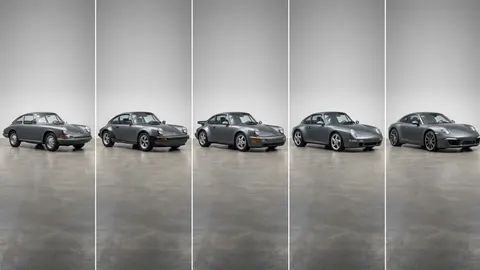
📚 MODEL CHRONOLOGY.
What "arriving" looked like
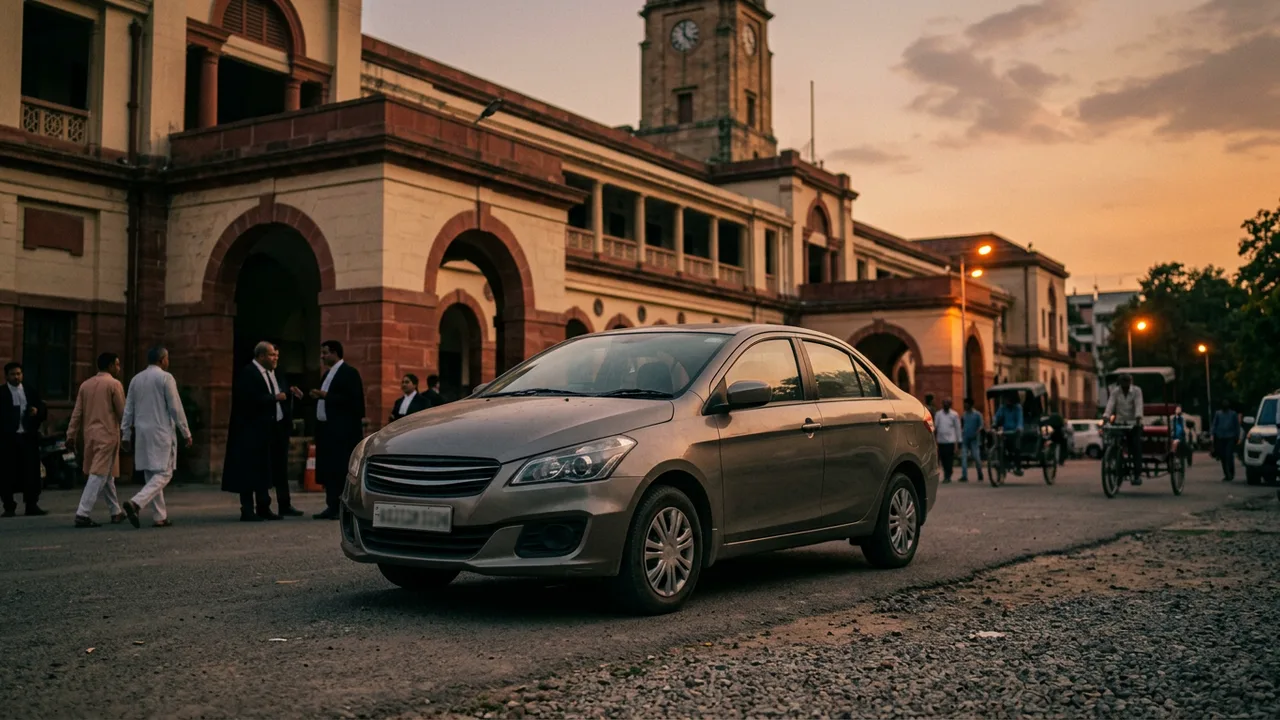
For a substantial period of India's post-liberalisation growth, the Honda City was what success looked like.
As our Bollywood feature traced, Indian cars have always carried meaning — the Ambassador signified establishment authority, the Maruti 800 signified modern middle-class arrival. The City signified something more specific: you had genuinely made it.
Not luxury exactly. Attainable aspiration — a car a successful professional could realistically buy, that visibly announced they'd succeeded.
Why it worked
1. It arrived at the right moment. India's liberalising economy was producing a growing professional middle class with money and few aspirational options between mass-market hatchbacks and expensive imports.
2. Honda's engineering reputation. Refinement, reliability and a quality of engineering that felt genuinely international rather than adapted.
3. The engine. Honda's petrol engines were rev-happy, refined and characterful in a market where most alternatives were merely adequate. The City was enjoyable to drive, which was rare at the price.
4. It looked the part. Proportioned and detailed to read as more expensive than it was.
5. Sedan meant status. Critically — in that era, a three-box sedan signified arrival in a way a hatchback couldn't. The body style itself carried meaning.
The generations
First generation (from 1998). The arrival, and the establishment of the formula: refined, well-engineered, aspirational.
Second generation (from 2003). Substantially more sophisticated and modern, consolidating the reputation. For many, this is the definitive City.
Third and fourth generations (2008–2020). Growth in size, equipment and refinement, tracking the market upward while facing steadily stronger competition.
Fifth generation and hybrid (from 2020). Continued development, including a strong-hybrid variant — a genuinely significant addition in a market where, as our comparisons repeatedly find, efficiency is a primary purchase criterion.
The decline, and what caused it
The City's position weakened, and the cause wasn't the car.
India followed the same path America did, which our sedan feature documented: buyers moved decisively to SUVs.
The reasons echo: ride height, perceived safety, road presence, and the aspirational meaning transferring from the sedan to the SUV. As our Bollywood piece traced, the Mahindra Thar now signifies lifestyle and self-expression in the way the City once signified arrival.
The status meaning moved. That's the whole story, and it's not a criticism of the car.
What this reveals
1. Aspiration is a moving target. A car's meaning is assigned by the culture, not built into it. The City didn't stop being good; it stopped being what success looked like.
2. The sedan case remains strong. As our family sedan comparison argued for America and our premium hatch piece argued for India, sedans are more efficient, better to drive, usually cheaper and adequately spacious. The decline was fashion, not verdict.
3. Engineering reputation outlasts individual products. Honda's standing in India was built substantially by this car and persists beyond its peak.
4. Hybridisation was the right response. In a market where running costs decide purchases — and where, as our comparisons found, the Grand Vitara and Hyryder strong hybrids lead on efficiency — adding a hybrid was the correct move.
The bottom line
The Honda City defined Indian automotive aspiration for a generation because it arrived at the precise moment a growing professional class needed something to signify arrival — and it was genuinely good enough to deserve the role.
Refined, well-engineered, enjoyable to drive and proportioned to look more expensive than it was, it occupied a space nothing else did.
Its decline had nothing to do with the car getting worse. India moved to SUVs, and the aspirational meaning moved with them.
The sedan case is still strong on merit — more efficient, better to drive, usually cheaper. It just stopped being what success looks like, and in a market where cars carry meaning, that turned out to matter more than the engineering.
Key takeaways
- For a generation of Indian professionals, the City was what "arriving" looked like — attainable aspiration rather than luxury
- It worked because of timing, Honda's engineering reputation, characterful rev-happy engines, and the era's association of sedans with status
- Its decline wasn't about the car getting worse — India moved to SUVs and the aspirational meaning moved with them
- As our Bollywood feature traced, the Thar now signifies lifestyle the way the City once signified arrival
- The sedan case remains strong on merit — more efficient, better to drive, usually cheaper. The decline was fashion, not verdict
Sources & further reading
- Honda historical records
Figures, prices and policy details were current at the last-updated date above. Automotive pricing, incentives and regulations change frequently — verify time-sensitive details against the primary sources listed below. Read our editorial policy and fact-checking standards.