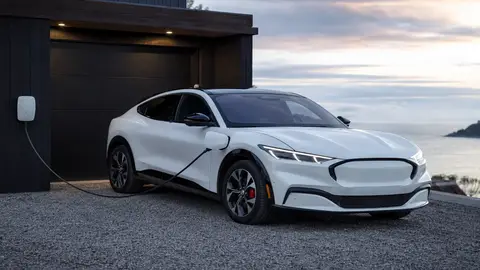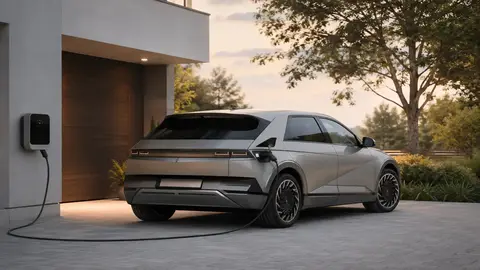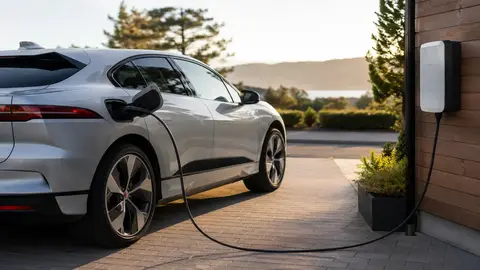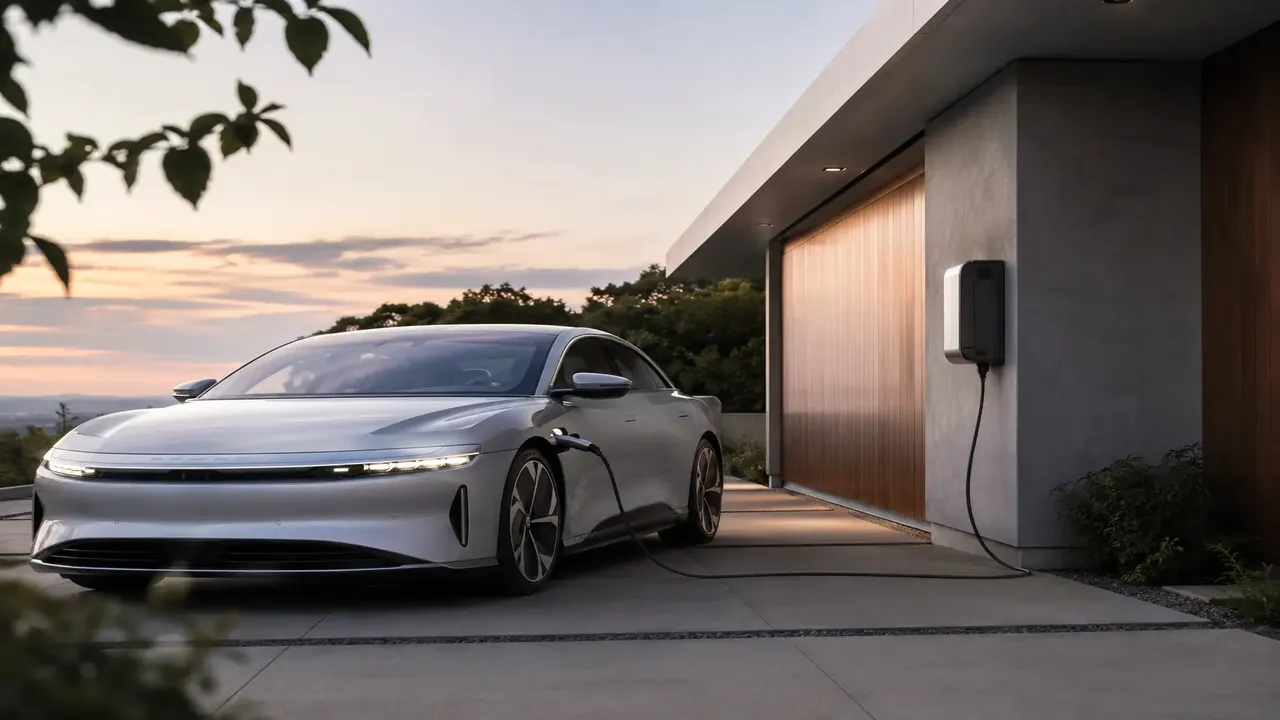
The luxury EV market is growing fast — analysts value it in the tens of billions of dollars and project low-to-mid-teens annual growth toward 2034. The leading players include Tesla, BMW, Mercedes-Benz, Porsche, Lucid, Volkswagen's premium brands, NIO and Li Auto, with SUVs the dominant body style. Key 2026 trends: 800-volt architectures for ultra-fast charging, huge software-defined screens and AI personalization, falling battery costs enabling 400-mile-plus luxury models, and new launches like the Porsche Cayenne Electric and Lucid Gravity. Figures vary by source.
Luxury EV market at a glance
| Trend | Detail | Why it matters |
|---|---|---|
| Market size | Tens of billions USD; ~12–14.5% CAGR projected | Fast premium growth |
| Top players | Tesla, BMW, Mercedes, Porsche, Lucid, NIO, Li Auto | ~half the market combined |
| Leading body style | SUVs | Buyers want space + status |
| Battery cost | Pack costs dipped below $100/kWh | Enables 400-mile luxury EVs |
| Tech focus | 800V charging, big screens, AI | Differentiation at the top |
Why luxury is the EV proving ground
Premium brands have led much of the EV transition because their buyers can absorb higher prices and crave the newest technology. That makes the luxury segment the place where the most advanced batteries, fastest charging and most ambitious software appear first — before trickling down to mainstream models. It is also where margins are healthiest, which matters in a period when affordable EVs have struggled to turn a profit.
A growing, crowded market
Analysts size the luxury EV market in the tens of billions of dollars and project low-to-mid-teens percent annual growth through the early 2030s, though estimates vary widely by source and definition. A handful of players — Tesla, BMW, Mercedes-Benz, Volkswagen's premium brands, NIO, Li Auto and Rivian — account for roughly half of it, with Lucid, Jaguar and others competing for the rest. Europe and Asia-Pacific are the largest regions, the latter anchored by China's premium EV boom.
The defining trends of 2026
800-volt architecture and ultra-fast charging
High-voltage (800V) electrical systems are becoming a luxury hallmark, enabling charging speeds that can add hundreds of miles in well under half an hour. New models like the Porsche Cayenne Electric showcase very high peak charging power, turning fast charging into a genuine selling point rather than a compromise.
Software-defined cabins and AI
The interior is now a tech showcase. Mercedes' MBUX Hyperscreen spans much of the dashboard; Tesla and Rivian set the pace on clean, fast, over-the-air-updated software; and AI-driven personalization increasingly learns driver habits and surfaces functions proactively. For luxury buyers, the screen-and-software experience is as much a status marker as the badge.
Falling battery costs, rising range
Lithium-ion pack costs slipping below the symbolic $100/kWh mark have made 400-mile-plus luxury EVs more achievable without astronomical prices. That lets premium makers offer long range, strong performance and rich equipment while protecting margins.
Notable 2026 launches
- Porsche Cayenne Electric: high WLTP range, 800V architecture and very high peak charging power.
- Lucid Gravity: the brand's luxury SUV, extending Lucid's efficiency lead beyond the Air sedan.
- Mercedes-Benz CLA EV: a new entry-luxury electric model broadening Mercedes' EV range.
- Cadillac Escalade IQ: a large, premium electric SUV aimed at status-focused buyers.
NIO, Li Auto, Zeekr and others are reshaping the luxury EV landscape, especially in China and increasingly in Europe. They often match or beat Western rivals on screens, software and range at a given price, pressuring established premium brands. Watch this space — the competitive map is shifting quickly.
SUVs lead, sedans specialize
As across the wider car market, luxury buyers favour SUVs, which lead the segment by volume. Premium electric sedans increasingly play a more specialized role — flagship range leaders like the Lucid Air, performance halos like the Lucid Air Sapphire and Porsche Taycan, or tech statements like the Mercedes EQS. Expect the SUV bias to continue while sedans serve as halo and efficiency showcases.
What it means for buyers
- Best tech first: luxury EVs preview the charging, range and software features that reach mainstream cars later.
- Check real-world charging: an 800V badge is only useful if the charging network supports the speed.
- Depreciation risk: premium EVs can lose value quickly as technology moves fast — weigh resale carefully.
- Cross-shop Chinese premium brands where available; they often offer more equipment per dollar.
Frequently asked questions
How big is the luxury EV market?
Which brands lead the luxury EV market?
What is 800-volt architecture and why does it matter?
Are Chinese brands competitive in luxury EVs?
Do luxury EVs hold their value?
Sources & further reading
- GM Insights — Luxury Electric Vehicle Market Report
- US News — Best Luxury EV Brands in 2026
- Recharged — EV Sales Statistics 2026
Figures, prices and policy details were current at the last-updated date above. Automotive pricing, incentives and regulations change frequently — verify time-sensitive details with the linked primary sources. Read our editorial policy and fact-checking standards.