🗣️ OPINION — THE CONTRARIAN
A recurring column arguing positions the enthusiast consensus rejects. This is opinion, clearly labelled, and it deliberately contradicts views expressed elsewhere on this site. That tension is the point.
The column's premise
Motoring has a consensus problem. Certain positions are held so universally among enthusiasts that they stop being examined — manuals are better, lightness is everything, modern cars are too complicated, the past was superior.
Some of those are right. Several are inherited rather than reasoned.
This column exists to argue the other side properly — not to be provocative for its own sake, but because a position that's never challenged tends to rot.
We're starting with the most sacred one.
The heresy: the manual gearbox deserves to die
It is worse in every measurable respect, and we know it.
It's slower. A modern dual-clutch or well-calibrated automatic shifts faster than any human, more consistently, and without the interruption of torque a manual requires. This isn't close, and it hasn't been for years.
It's less efficient. More gears, better ratio selection and smarter control produce better fuel economy.
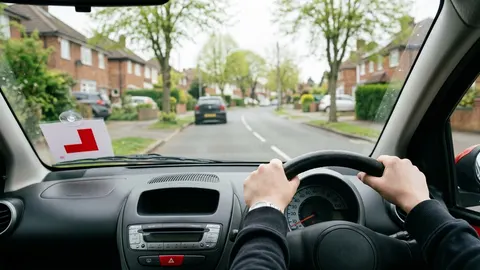
It's worse in traffic, which is where most driving actually happens. The clutch pedal is a tax you pay every day for a pleasure you experience occasionally.
It's less accessible. It excludes drivers with certain physical limitations for no functional benefit.
And in an electric car it's meaningless entirely. As our Honda Prelude review found, the S+ Shift system simulating eight gears is a forgettable novelty — because there's no step-gear transmission to shift. Simulating a manual is an admission that the thing being simulated has no functional purpose.
The counter-argument, taken seriously
The defence is engagement, and it's not nothing.
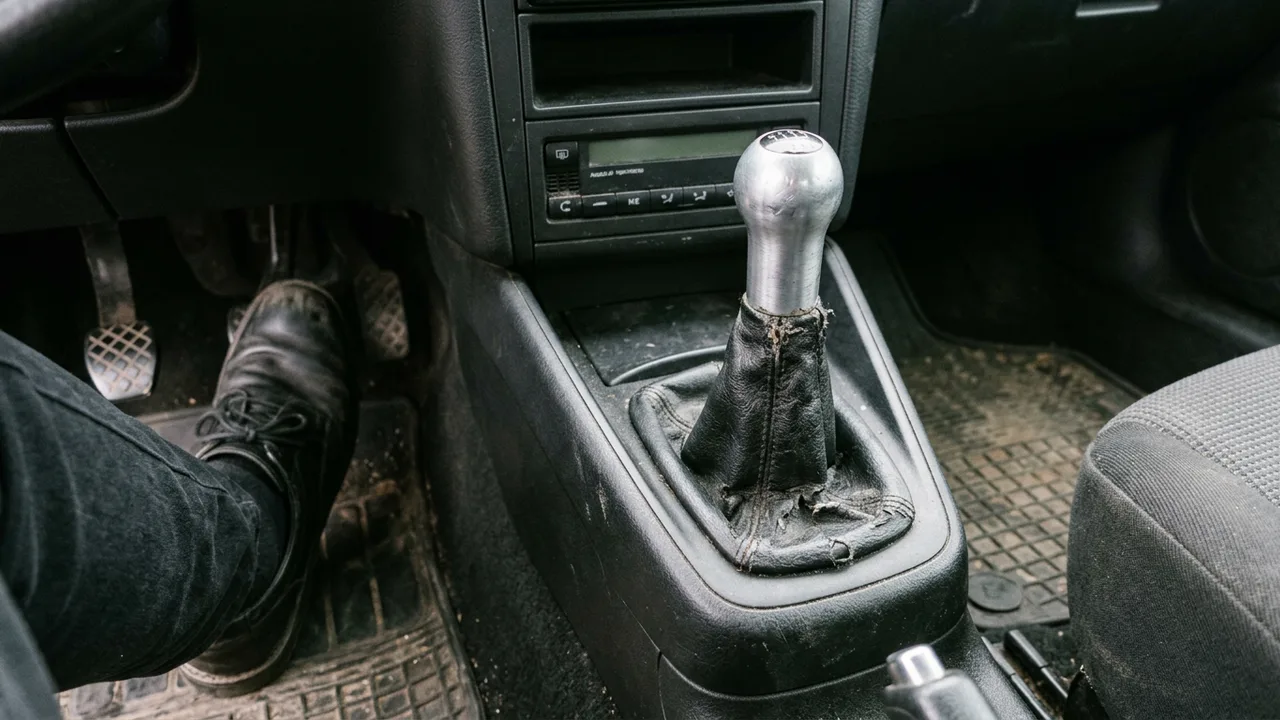
A manual gives the driver more to do, more mechanical connection, and a sense of operating a machine rather than commanding a system. Our own coverage makes this argument — the Civic Type R won our hot hatch comparison partly on its superb gearshift.
I accept that engagement is real. What I dispute is what follows from it.
Where the defence falls apart
1. "It makes me a better driver" is largely false. Operating a clutch is a motor skill, not a safety competence. The skills that prevent crashes are hazard perception, speed management and attention — and a manual consumes attention that could go to any of them. As our India road safety investigation found, overspeeding causes 68% of deaths. Nobody died from an automatic gearbox.
2. "It's more involving" conflates difficulty with engagement. Manual gearboxes are engaging partly because they're a task. But adding tasks isn't the same as adding driving pleasure — otherwise we'd all miss manual chokes and non-synchromesh boxes. We don't, because we correctly identified those as friction rather than feel.
3. "Automatics are boring" is now simply out of date. A modern dual-clutch with paddles offers control when you want it and disappears when you don't. The objection describes 1990s torque converters, not current transmissions.
4. The nostalgia is doing more work than the argument. As our archive analysis noted about the 1980s hot hatches, nostalgia remembers the joy and forgets the discomfort. People remember the perfect downshift; they forget the hill starts, the traffic, and the clutch replacement bill.
What I'm actually arguing
Not that manuals should be banned. People should buy what they enjoy, and if you love a manual, buy one — and buy soon, because they're disappearing.
What I'm arguing is that the manual's superiority is a preference dressed as a principle.
When enthusiasts say a manual is "better," they mean they prefer it. That's entirely legitimate and it's not an engineering claim — and pretending otherwise has produced two decades of reviews marking cars down for a transmission choice that measurably improves them.
Our own Prelude review is instructive here. We noted that the automatic option in the GR Corolla typically matches or beats the manual on measured acceleration, and advised choosing "on engagement, not numbers." That's the honest framing — and it concedes the substantive point.
The other heresies (coming in this column)
Positions this column intends to argue, each of which contradicts something the enthusiast consensus holds dear:
- Lightness is overrated as a purchase criterion for most buyers, and our own focus on it reflects enthusiast bias — as our own failed-predictions piece conceded.
- Driver assistance systems are better drivers than most humans in the specific situations they handle.
- Big touchscreens are fine, and the physical-controls argument is frequently about familiarity rather than usability.
- Most people should buy an automatic crossover, and the industry is right to build them.
- Modern cars being "too complicated" mostly means "I can't fix it myself," which is a different complaint.
The bottom line
The manual gearbox is slower, less efficient, worse in traffic and less accessible, and in an electric car it's meaningless. These are measurable facts, and the enthusiast consensus mostly doesn't dispute them — it argues that engagement outweighs them.
Fine. But say that instead. Say "I prefer it," which is honest, rather than "it's better," which isn't.
I'll go further: I think we'll look back on the manual's disappearance the way we look back on manual chokes — with brief affection and no serious desire to return.
And if that's wrong, this column will say so. As our own failed-predictions piece argued, a publication that never revisits its verdicts isn't consistent — it's stubborn.
Argue with me. That's the point of the column.
Key takeaways
- OPINION. This column deliberately argues against the enthusiast consensus, and contradicts positions expressed elsewhere on this site
- The manual gearbox is measurably slower, less efficient, worse in traffic and less accessible — and meaningless in an EV
- The engagement defence is legitimate, but "I prefer it" is honest while "it's better" is an engineering claim the evidence doesn't support
- "It makes me a better driver" is largely false — the skills that prevent crashes are hazard perception, speed management and attention
- Future heresies include that lightness is overrated for most buyers — a bias our own failed-predictions piece already conceded
Sources & further reading
- Transmission performance data
Figures, prices and policy details were current at the last-updated date above. Automotive pricing, incentives and regulations change frequently — verify time-sensitive details against the primary sources listed below. Read our editorial policy and fact-checking standards.