🔰 OPINION — LEARNER'S PERMIT
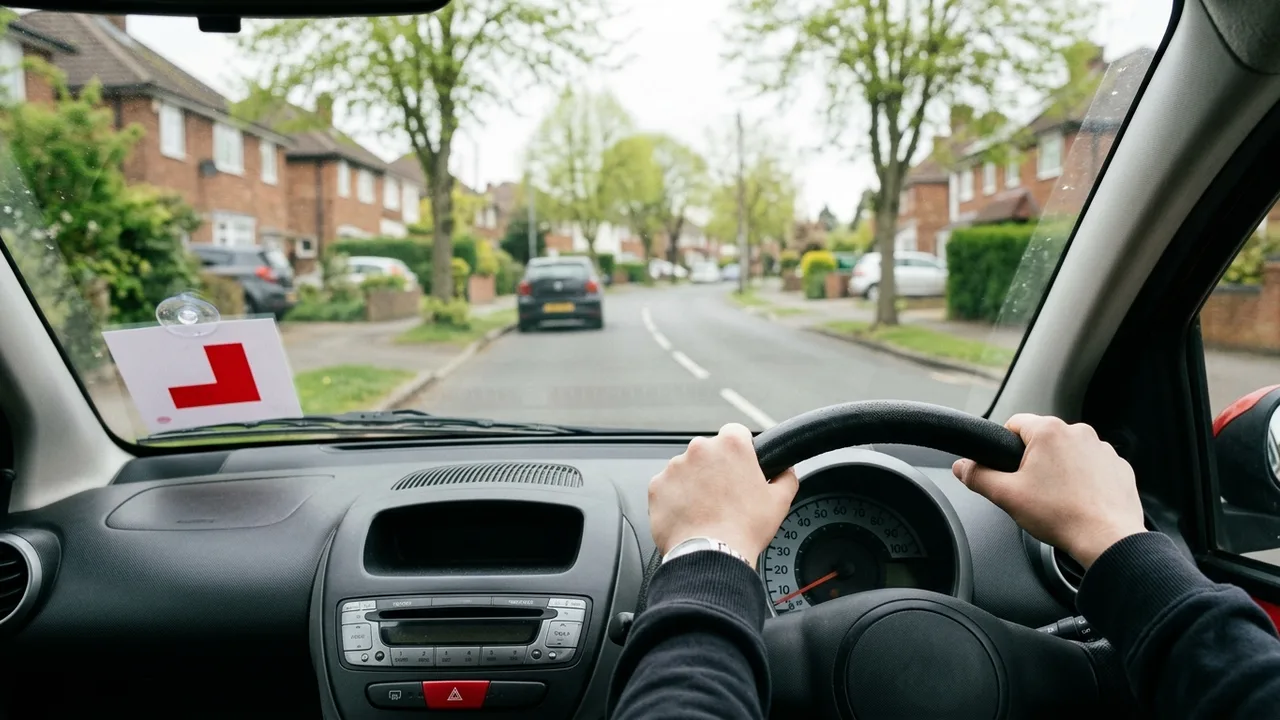
A recurring column written from the perspective of a recent learner. The premise: people who learned decades ago have stopped noticing things that are genuinely strange.
What this column is for
Experienced drivers have stopped noticing what modern cars actually ask of them.
Familiarity is a filter. If you learned twenty years ago, you absorbed each new interface change gradually, and each felt incremental. Learn now, and you encounter the accumulated result all at once — and a lot of it is genuinely odd.
This column is that perspective, written honestly, including where the criticism cuts against enthusiast consensus.
Things experienced drivers have stopped noticing
1. The screens are frequently worse than the buttons they replaced.
I know this is a common complaint, and I know our own Contrarian column has argued the opposite. But learning on a car where climate control lives three menus deep is a genuinely different experience from learning on one with a dial.
The issue isn't screens as such. It's that adjusting temperature while moving requires looking away from the road, and a dial doesn't. As a new driver still building hazard perception, that trade is worse for me than for someone with twenty years of instinct.
2. Driver assistance is confusing before it's helpful.
Lane keeping that tugs the wheel. Emergency braking that intervenes. Adaptive cruise that behaves differently in each car.
Nobody explains these properly. I was taught to drive; I was not taught what my car would do on my behalf. That gap is a genuine problem, and it's going to get larger.
3. Visibility is genuinely poor, and everyone accepts it.
Thick A-pillars, high beltlines, small rear windows. As our design piece explained, this is crash structure and it saves lives — and I accept that trade.
But it means new drivers are being taught to reverse using cameras, and I'm not sure anyone has thought carefully about what happens when the camera is dirty, or the car is older, or the driver moves to a vehicle without one.
4. Modern cars are enormously fast, and nobody mentions it.
As our 0–60 inflation piece found, a family SUV now out-accelerates a 1990s Ferrari. Ordinary cars have performance that would have been extraordinary a generation ago.
Learning in something with 200-plus horsepower is genuinely different, and driver training hasn't obviously adapted.
5. Everything is heavy. As our Corolla comparison found, weight is the great unacknowledged regression — and heavier cars take longer to stop. That's taught as a number; it's felt as a surprise.
What modern cars get genuinely right
A column that only complains isn't useful:
1. Safety is transformative, and it's not close. As our archive comparison found, modern crash structures, multiple airbags and — crucially — active systems like automatic emergency braking are an enormous advance. I'm learning in cars that will protect me in ways my parents' didn't.
2. Reliability means learners aren't stranded. Cars start, and keep going.
3. Automatics have removed a genuine barrier. I'll take the Contrarian's side here: for a new driver, not managing a clutch frees attention for hazard perception, which is what actually keeps you alive.
4. Reversing cameras and sensors genuinely help, whatever my reservations about dependency.
What I'd change
1. Teach the technology. Driver training should cover what your assistance systems do, when they intervene, and their limits. This is a serious gap.
2. Keep physical controls for climate and volume. Not everything — just the things you adjust while moving.
3. Standardise the assistance behaviour. Every manufacturer implements lane keeping differently. A driver moving between cars has to relearn.
4. Be honest about performance. A learner should be told, explicitly, that the ordinary car they're driving is faster than a supercar from thirty years ago.
The bottom line
Modern cars are dramatically safer and more reliable than what came before, and I'd rather learn now than at any previous point. That's the honest headline.
But experienced drivers have stopped noticing things that are genuinely strange — touchscreen climate controls, unexplained assistance systems, poor visibility compensated for by cameras, and performance nobody mentions.
The biggest gap is education. We teach people to drive cars, and then hand them vehicles that partly drive themselves, without explaining the second part.
That should change, and it should change before the systems get more capable rather than after.
Key takeaways
- OPINION. A column from a recent learner, on the basis that familiarity is a filter — experienced drivers stopped noticing what's genuinely strange
- Touchscreen climate controls require looking away from the road; for a new driver still building hazard perception, that trade is worse
- Driver assistance is confusing before it's helpful, and nobody explains it — a gap that will widen as systems get more capable
- Modern cars are enormously fast — a family SUV out-accelerates a 1990s Ferrari — and driver training hasn't obviously adapted
- What's genuinely better: transformative safety, reliability, and automatics freeing attention for hazard perception — which is what actually keeps you alive