🚦 OPINION — DESI DRIVE
A recurring column on Indian car culture, written from inside it. This is opinion and observation, and it will argue with the industry, the coverage and occasionally the reader.
What this column is for
Indian motoring coverage has two failure modes.
The first is treating India as a smaller version of a Western market — applying Western criteria, Western priorities and Western assumptions to a country where almost none of them fit.
The second is the opposite: treating Indian motoring as purely a value calculation, as though nobody here cares about design, driving or the pleasure of a good car.
Both are wrong, and this column exists in the space between them.
The things Indian coverage gets wrong
1. Range and 0–100 times are not the questions.
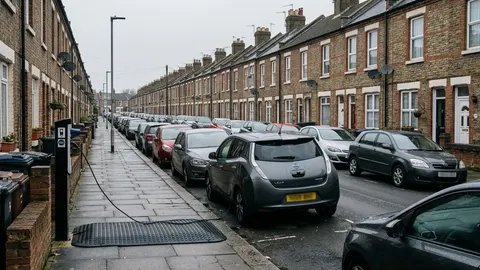
The question is whether you can charge where you park. As our apartment charging test found, that single issue determines Indian EV ownership more than any specification — and it's usually a housing society problem rather than a technology one.
A 15A socket adds roughly 150–200 km overnight. A 7.4 kW wallbox charges fully. The difference between those two is the difference between an EV that works and one that frustrates. That should be the first paragraph of every Indian EV review, and it almost never is.
2. We under-cover the cars India actually buys.
Enthusiast journalism gravitates to the interesting and expensive. But the Tata Punch became India's best-selling car, CNG is one of the most rational purchases available above 60 km/day, and the seven-seat MPV market matters enormously to real families.
Those buyers deserve the same rigour we give a hypercar — arguably more, because the purchase matters more to them. This column will keep saying that.
3. We treat safety as a feature rather than the point.
For years, Indian buyers were offered cars with minimal crash protection and told to be grateful for the price. Bharat NCAP and Global NCAP changed that, and manufacturers who responded deserve credit.
The Tata Punch's 5-star rating at an accessible price proves crash protection needn't be a premium feature. The Nissan Gravite fitting six airbags as standard where its sibling offers two deserves recognition too.
And 172,890 people died on Indian roads in 2023. That number should sit behind every review we write.
The things Indian car culture gets right
1. Practicality is a legitimate priority. The Indian buyer's focus on running costs, service reach and resale isn't unsophisticated — it's rational. As our comparisons repeatedly find, Maruti's service network is a genuine competitive advantage, and buyers who weight it heavily are correct.
2. We understand that a car is a household decision. Not an individual indulgence. That shapes everything about what sells here, and it's a more honest way to buy than pretending otherwise.
3. The aspiration is real and shouldn't be sneered at. As our Bollywood piece traced, a car has signified arrival in India for generations. That meaning is earned, in a country where ownership was genuinely out of reach for most people within living memory.
The things that need to change
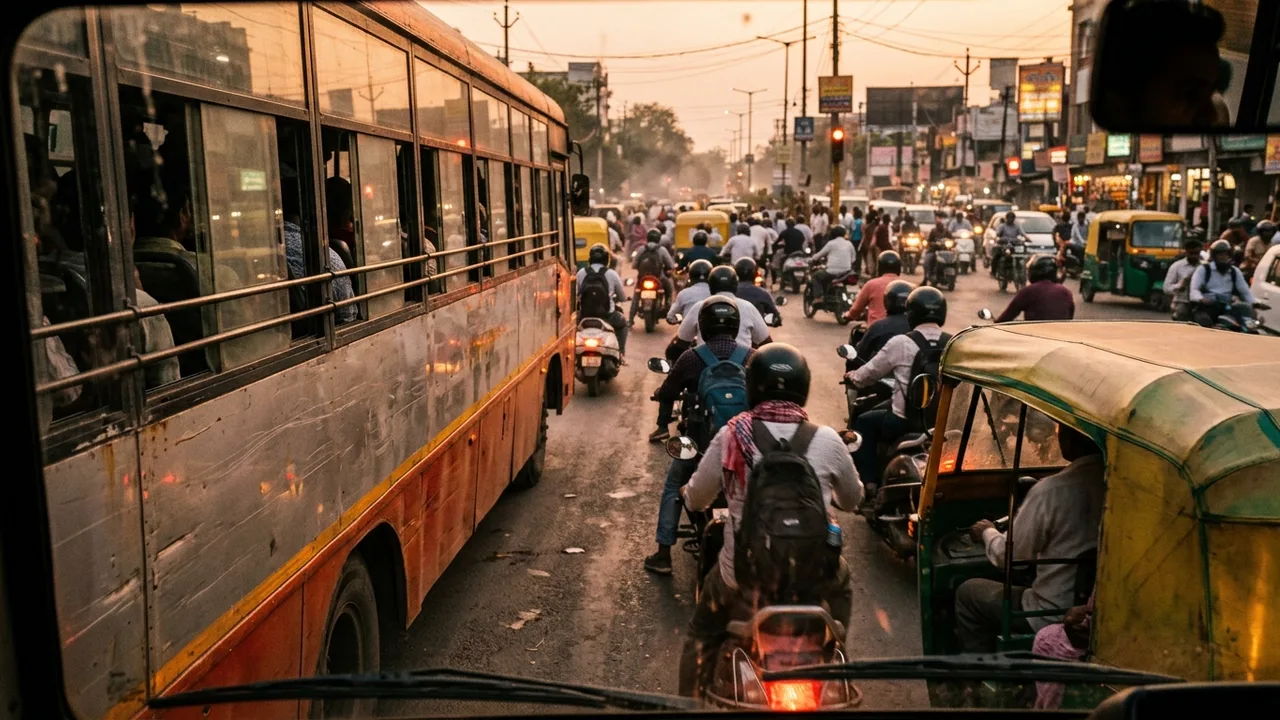
1. How we drive. I'll be direct, because the data is: overspeeding causes 68% of road deaths, and 16,025 people died in 2023 for not wearing a seat belt. Those are choices.
The evidence that enforcement works is now unambiguous — one expressway cut fatalities from 188 to 56 through average-speed enforcement. We should want more of it, not less.
2. Rear seat belts. Widely ignored, and lethal. If you take one thing from this column: belt up in the back.
3. The assumption that safety costs money. It doesn't, any more. Ask for the Bharat NCAP rating before you ask for the mileage figure.
What this column will cover
- How India actually drives, honestly, including the parts that are hard to defend
- The cars people really buy — CNG, MPVs, sub-four-metre SUVs, and why the tax code shapes all of them
- Charging, the housing society, and the reality of urban EV ownership
- The used market, including the odometer problem
- What the industry gets wrong about Indian buyers
- The craft — restorers, fabricators and the people keeping Ambassadors alive
The bottom line
Indian car culture is practical, aspirational, price-conscious and genuinely enthusiastic, and it deserves coverage that understands all four at once rather than picking one.
We should stop importing Western criteria that don't fit, and stop pretending Indian buyers only care about price.
And we should be honest about the roads. 172,890 deaths a year is not a background fact — it's the most important thing about driving in India, and the evidence now clearly shows it's a policy outcome rather than an inevitability.
Ask for the safety rating. Belt up in the back. Sort out your charging before you buy the EV.
That's the column. See you at the next junction.
Key takeaways
- OPINION. A column on Indian car culture written from inside it, arguing with the industry, the coverage and occasionally the reader
- Indian coverage gets it wrong twice: treating India as a smaller Western market, or as purely a value calculation. Both are wrong
- "Can you charge where you park?" should be the first paragraph of every Indian EV review — it decides ownership more than any specification
- The cars India actually buys — the Punch, CNG variants, seven-seat MPVs — deserve the same rigour as a hypercar, arguably more
- 172,890 road deaths a year should sit behind every review. Ask for the Bharat NCAP rating before the mileage figure, and belt up in the back
Sources & further reading
- True Motion Auto India coverage
- MoRTH road safety data
- Bharat NCAP. Opinion column — clearly labelled. Verified July 2026.
Figures, prices and policy details were current at the last-updated date above. Automotive pricing, incentives and regulations change frequently — verify time-sensitive details against the primary sources listed below. Read our editorial policy and fact-checking standards.