🔌 OPINION — PLUGGED IN
A recurring column written from genuine EV ownership in Britain. This is one person's experience, not a review — and it will be more honest about the tedious parts than most EV coverage manages.
What this column is for
Most EV coverage is written by people who borrow cars for a week. This one is written by someone who owns one and lives with it in Britain, which produces a different kind of honesty.
The intention is to be useful rather than evangelical, and that means being direct about the things that are genuinely annoying — because the case for EVs is strong enough to survive an honest account.
The single most important thing
Everything depends on whether you can charge at home.
I'm going to keep saying this, because it's the thing that determines whether EV ownership is transformative or tedious, and it's consistently underweighted in coverage.
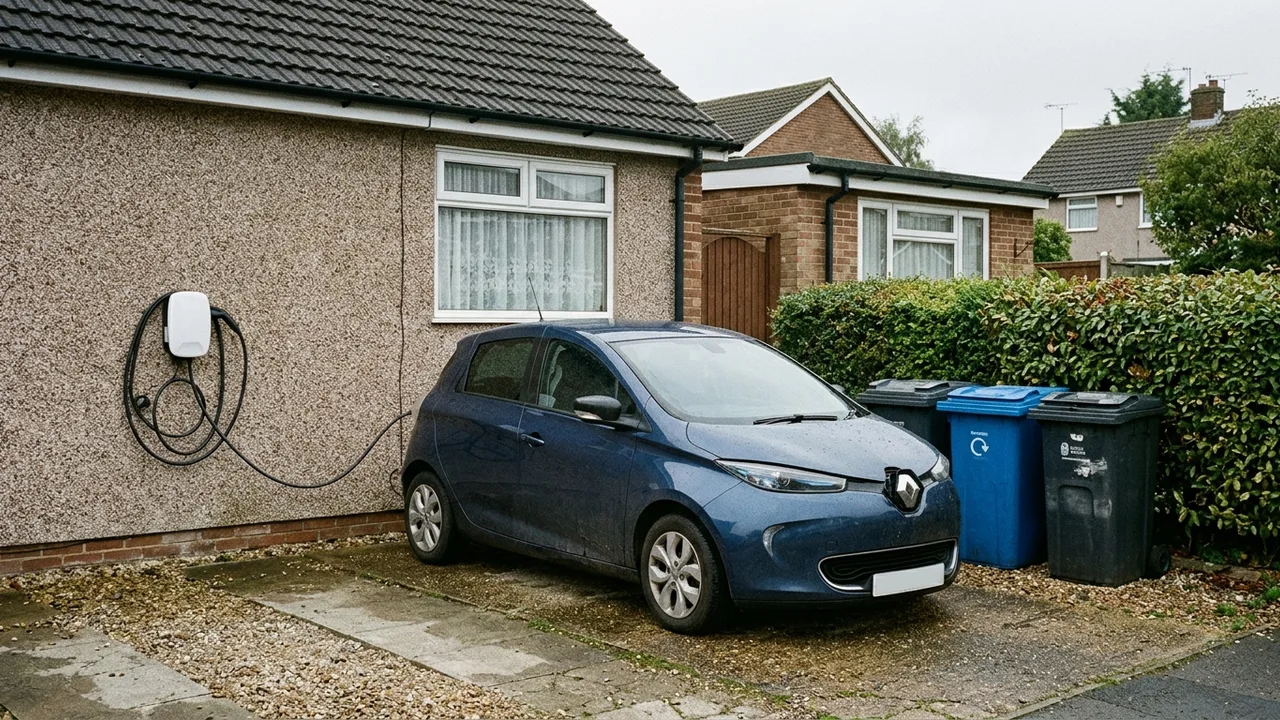
With a home charger, you leave every morning with a full battery, never visit a fuel station, and pay domestic rates. It's genuinely better than petrol ownership — not equivalent, better.
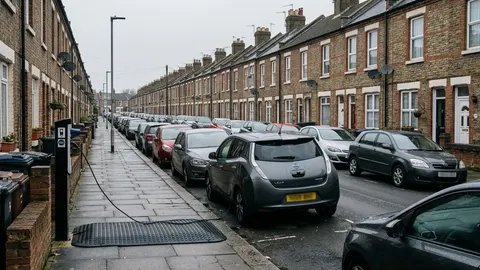
Without one, as our own public-charging diary found, the running-cost advantage narrows substantially and the time cost is real. Every kWh requires you to be somewhere, waiting.
If you're considering an EV and can't charge at home, work out your actual cost per mile on public rapid charging before you buy. It may still work. It may not. But find out first, rather than discovering it afterwards.
The things nobody warns you about
1. Preconditioning, and how badly it's communicated.
Most cars only warm the battery for rapid charging if you navigate to the charger using the car's own navigation system. Drive there knowing the way and the car has no idea it needs to prepare.
In winter this can halve your charging time. Almost nobody knows, because almost nobody is told. It's the single most useful thing I've learned as an owner, and I learned it from a forum rather than the handbook.
2. Charging to 100% is usually pointless.
The last 20% takes disproportionately long. On a journey, charge to 80% and go. I spent months not knowing this and wasting time.
3. Winter is a genuine adjustment.
Expect 20–30% less range in cold weather, more if the car lacks a heat pump. Precondition while still plugged in — it costs nothing from the battery and makes an enormous difference.
Heated seats use a fraction of what cabin heating does. Use them.
4. Public charging reliability is the actual frustration.
Not availability — reliability. The problem is usually a charger that exists and doesn't work. Never arrive below 10%, because you need the option to reach an alternative.
5. Tyres wear faster. Instant torque and extra weight. Budget for it.
6. You stop thinking about fuel entirely. This is the genuinely transformative part and it's hard to convey. The mental load of monitoring fuel simply disappears.
What I'd tell someone considering one
1. Answer the charging question first. Everything else is secondary.
2. Buy on winter range, not summer range. Take the official figure, subtract 25–30%, and check that still covers your regular journeys.
3. Check for a heat pump. It's a specification line most buyers skip and one of the few that reliably predicts satisfaction in a British winter.
4. Ask for the 10–80% charging time, not the peak kW figure. As our charging-curve testing found, peak kW is the most misleading number in EV marketing.
5. Consider used. As our depreciation coverage argued, EV values fell hard — which makes the used market genuinely the best value in motoring right now, provided you get a battery health report.
6. If you can't charge at home, seriously consider a hybrid instead. It asks nothing of you and refuels in five minutes anywhere. That's not a defeat; it's the right answer for a lot of people.
What this column will cover
- Real running costs, logged honestly, including the annoying months
- Winter and summer range across a full year
- Charging network experiences, named and unvarnished
- The things that break or irritate
- Software updates — what improved, what didn't, and what quietly changed
- Whether I'd buy another one
And when something is bad, I'll say so. EV coverage has an advocacy problem, and it doesn't serve readers.
The bottom line
Living with an electric car in Britain is genuinely better than petrol ownership if you can charge at home, and a meaningfully worse experience if you can't. That single distinction matters more than range, price, badge or specification, and it deserves to be the first question anyone asks.
The transformative part is that you stop thinking about fuel. The tedious parts are winter range, unreliable public chargers, and the fact that nobody tells you about preconditioning.
This column will keep being honest about both — because an argument that only works when you omit the annoying bits isn't a strong argument.
Key takeaways
- OPINION. One owner's experience of living with an EV in Britain, intended to be useful rather than evangelical
- Everything depends on home charging — with it, EV ownership is genuinely better than petrol; without it, the advantages narrow substantially
- The most useful unknown: most cars only precondition the battery if you navigate to the charger in the car's own system — this can halve winter charging times
- Practical rules: charge to 80% not 100%, buy on winter range (official minus 25–30%), check for a heat pump, and ask for the 10–80% time, not peak kW
- If you can't charge at home, seriously consider a hybrid — that's not a defeat, it's the right answer for many people
Sources & further reading
- Owner experience
- True Motion Auto charging-curve testing, winter range testing and public-charging diary. Opinion column — clearly labelled. Verified July 2026.
Figures, prices and policy details were current at the last-updated date above. Automotive pricing, incentives and regulations change frequently — verify time-sensitive details against the primary sources listed below. Read our editorial policy and fact-checking standards.