🗳️ OPINION
A column taking a position. Note that our own Contrarian column argues the opposite — that tension is deliberate.
The argument
The backlash against touchscreen-controlled climate, volume and basic vehicle functions is frequently dismissed as nostalgia — older drivers uncomfortable with change.
It isn't. It's a safety argument, and it's a good one.
Why this isn't nostalgia
The core claim is simple and testable: adjusting a physical control requires less visual attention than adjusting a touchscreen control.
A dial can be operated by feel. You reach, you find it by muscle memory, you turn it, and your eyes never leave the road. The tactile feedback confirms the action.
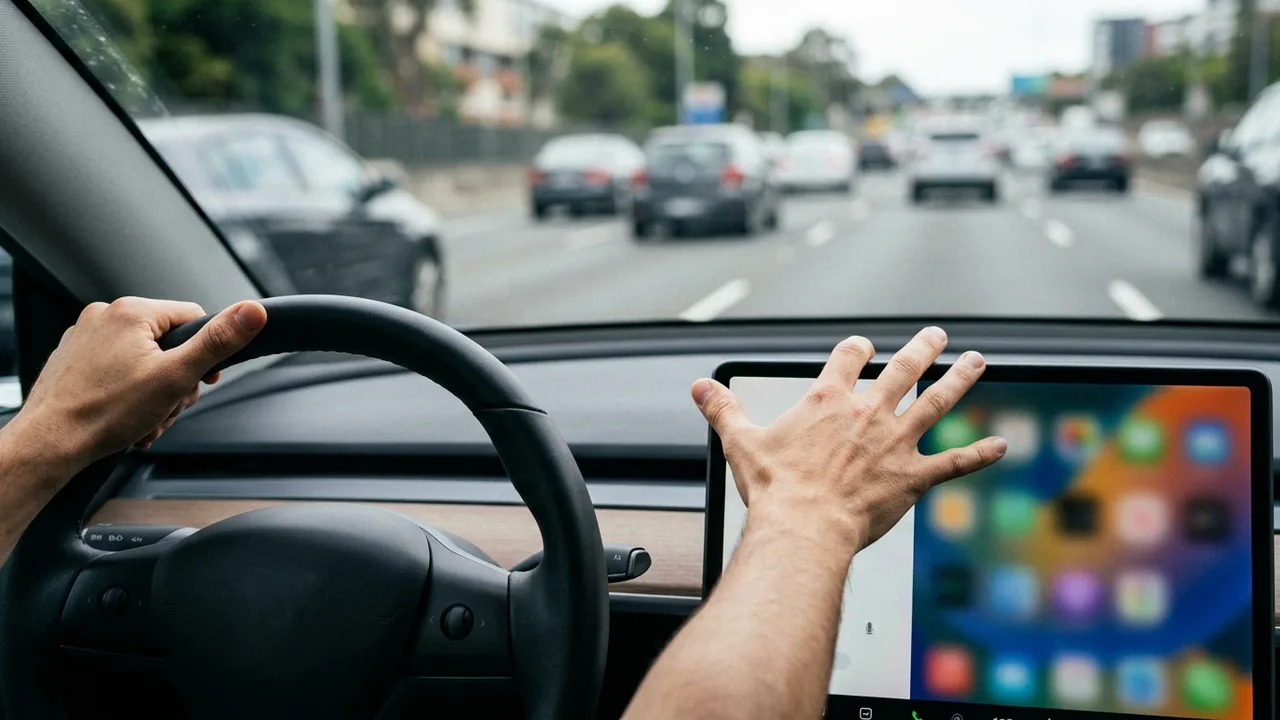
A touchscreen cannot. A flat glass surface offers no tactile reference. You must look to locate the control, look to confirm you've hit it, and frequently look again to verify the result — and if the function is buried in a menu, repeat the process.
Eyes off the road is the mechanism by which distraction kills people, and this is not a matter of preference.
European safety bodies have moved in this direction, indicating that certain basic functions should have physical controls to achieve top safety ratings — which is a meaningful signal that the concern is being treated as substantive rather than sentimental.
Why manufacturers did it anyway
Being fair to the industry, the reasons weren't purely cynical:
1. Cost. A single screen is cheaper than dozens of switches, and removing physical controls removes tooling, wiring and assembly complexity.
2. Flexibility. Software controls can be updated, reconfigured and added to after sale.
3. It looked modern. A clean, screen-dominated interior photographed brilliantly and signalled technological sophistication.
4. Tesla normalised it, and the industry followed a successful competitor.
But the honest summary is that the industry optimised for cost and showroom appeal, and treated usability as a secondary consideration. That's what earned the backlash.
What our own reviews keep finding
This isn't theoretical — it appears constantly in our testing:
- The MG Windsor's 15.6-inch screen was our sharpest criticism of India's best-selling EV: "laggy, and houses too many core functions, making usability frustrating"
- Our review methodology explicitly assesses infotainment for capability and usability — "a laggy big screen scores worse than a responsive smaller one"
- Our VW ID Polo coverage noted the hoped-for return to physical controls as a genuine advantage, because "VW's recent touch-everything interfaces frustrated buyers"
- Our Scout Traveler first drive found the deliberate retention of real buttons and knobs immediately compelling — "anyone who has tried to adjust climate control on a touchscreen while on a rough trail will understand instantly"
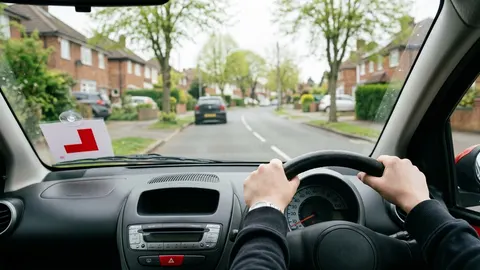
- Our Learner's Permit column made the point from a new driver's perspective: the trade is worse for someone still building hazard perception
Five independent findings, one conclusion.
The counter-argument, taken seriously
Our own Contrarian column argues that "big touchscreens are fine, and the physical-controls argument is frequently about familiarity rather than usability." That deserves an answer.
The strongest version of the case against me:
1. Good touchscreen design mitigates much of this. Large, fixed, well-placed touch targets in consistent locations can be operated with far less attention than a badly-designed menu system. The problem may be bad implementation rather than the technology.
2. Physical controls weren't automatically good. Cars have had confusing, poorly-labelled, badly-placed switchgear for decades. Nostalgia does flatter them.
3. Voice control genuinely helps when it works, and is improving.
4. Steering wheel controls preserve muscle memory for the most frequent functions.
5. Familiarity is a real factor. A driver who has used one system for years operates it more efficiently than a novice, regardless of type.
Point 1 is the strongest, and I'd partly concede it. A brilliantly-designed touchscreen with permanent physical shortcuts for climate and volume is genuinely acceptable. The problem is that most implementations aren't that.
What I actually want
Not the abolition of screens — that would be absurd. Screens are excellent for navigation, media browsing and configuration.
What I want is a small, specific list of functions kept physical:
- Temperature and fan — adjusted while moving, constantly
- Volume — same
- Hazard lights — a legally-required control should never be in a menu
- Demist — needed urgently, often in poor visibility
- Wipers — same
That's five things. Everything else can live on a screen with my blessing.
And two design principles: functions used while moving should be reachable without looking, and nothing safety-relevant should ever require a menu.
The bottom line
The touchscreen backlash is a safety argument, not a nostalgia one. Physical controls can be operated by feel; touchscreens cannot, and eyes off the road is the mechanism by which distraction causes harm.
Manufacturers adopted screens for cost, flexibility and showroom appeal, and treated usability as secondary. That's what earned the reaction.
The fair concession is that good touchscreen design mitigates much of the problem — and that physical switchgear was never automatically excellent.
But the fix is small and obvious: keep temperature, fan, volume, hazards, demist and wipers physical. Five things. The industry is beginning to move back, and it should — not because the past was better, but because looking at a screen to change the temperature was always a bad idea.
Key takeaways
- OPINION. Note that our own Contrarian column argues the opposite position — that tension is deliberate
- This is a safety argument, not nostalgia: physical controls can be operated by feel, touchscreens require looking away from the road
- Manufacturers adopted screens for cost, flexibility and showroom appeal, treating usability as secondary — which earned the backlash
- Our reviews found this independently five times, from the MG Windsor's laggy screen to the Scout Traveler's deliberately retained buttons
- The fair concession: good touchscreen design mitigates much of it. The fix is small — keep temperature, fan, volume, hazards, demist and wipers physical
Sources & further reading
- True Motion Auto reviews
- European safety body direction on physical controls. Opinion — clearly labelled. Verified July 2026.
Figures, prices and policy details were current at the last-updated date above. Automotive pricing, incentives and regulations change frequently — verify time-sensitive details against the primary sources listed below. Read our editorial policy and fact-checking standards.