🗳️ OPINION
The complaint
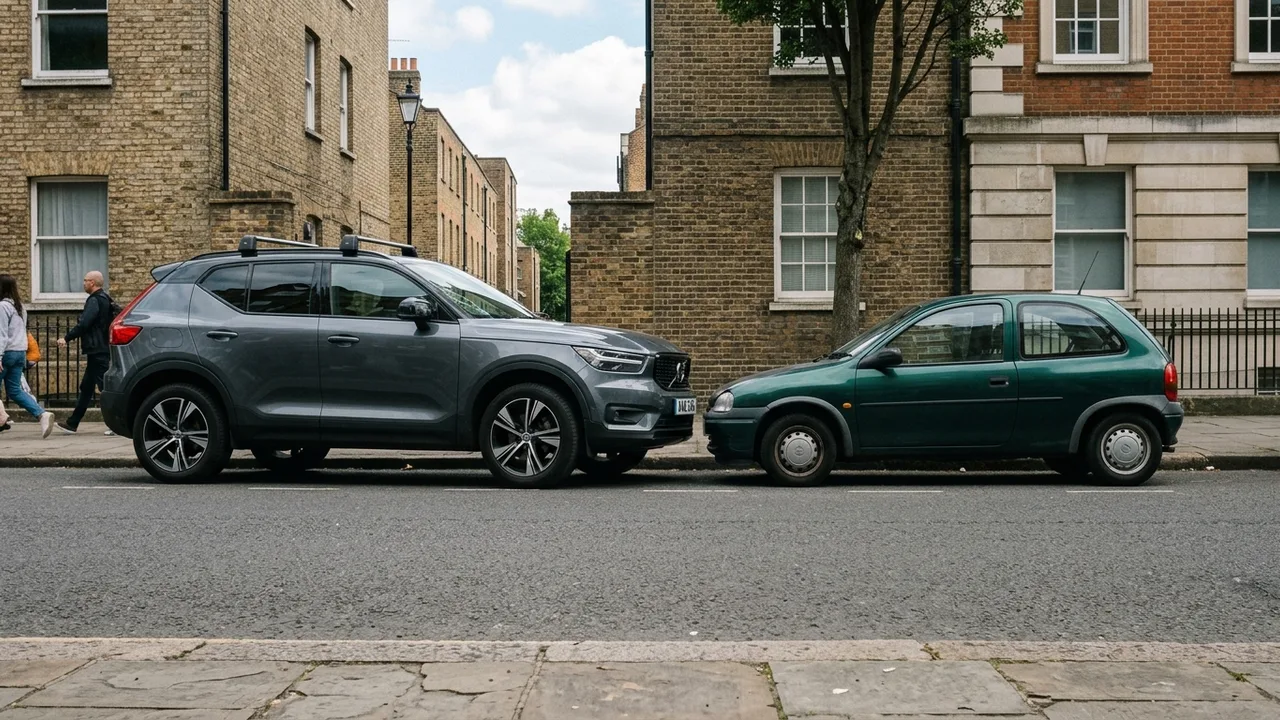
A "compact SUV" today can weigh around 4,000 lb, stand tall enough that a driver cannot see a small child directly in front of the bumper, and occupy a footprint that would have been called mid-size two decades ago.
The word has been stretched past the point of meaning anything, and that isn't a pedantic complaint. Category names shape expectations, and expectations shape purchases.
Why the words matter
1. Buyers use categories as shorthand for consequences. "Compact" implies easy parking, manageable running costs and modest environmental impact. When a compact isn't compact, the shorthand misleads.
2. Comparisons get distorted. A buyer cross-shopping "compacts" may be comparing genuinely different vehicles, and — as our own comparison of the Ford Puma against the Qashqai and Sportage found — size mismatch within a nominal category is a real problem. We flagged it explicitly because the ranking would otherwise mislead.
3. Regulatory categories have real consequences. Footprint-based efficiency standards mean larger vehicles face less demanding targets. That's a genuine incentive to build bigger, and it's arguably the single most consequential design input in the American market.
The weight problem underneath
The naming issue is a symptom. The substance is mass, and our own testing keeps documenting what it costs:
- Braking distances. As our braking work established, a 2,400 kg vehicle carries roughly 60% more kinetic energy at 70 mph than a 1,500 kg one. Unlike 0–60 times, stopping distances have not converged.
- Tyre and brake particulates, which are increasingly the dominant local pollution source as tailpipe emissions fall.
- Road wear, which scales steeply with axle load.
- Pedestrian outcomes. High, blunt front ends are considerably more dangerous to people outside the vehicle — and as our design piece noted, pedestrian regulation shapes front ends precisely because this matters.
As our Corolla then-and-now analysis concluded, weight is the great unacknowledged regression of modern motoring. Much of it buys genuine safety. Not all of it does.
The arms race nobody chose
As our sedan feature described, this is a collective-action problem: people buy larger vehicles partly because other people have larger vehicles.
Each decision is individually rational. A bigger vehicle protects its occupants better in a two-vehicle collision, and feels safer surrounded by tall vehicles.
The aggregate is worse for everyone — heavier cars, worse outcomes for pedestrians and smaller-vehicle occupants, more particulates, higher costs across the board.
Nobody chose this. Everybody participates in it.
What I'm actually proposing
Modest, and mostly about honesty:
1. Publish weight prominently. It's the most revealing single figure in modern motoring and it's usually buried. We publish it in every instrumented test, and we'd like manufacturers to lead with it.
2. Use size categories that mean something, or stop using them. If "compact" covers a 3,000 lb hatchback and a 4,000 lb crossover, it's not a category — it's marketing.
3. Report pedestrian safety ratings as prominently as occupant ratings. Occupant protection has improved enormously. The person outside the vehicle deserves equal billing.
4. Reconsider footprint-based standards. A rule that makes larger vehicles easier to comply with produces larger vehicles. That's working as designed, and the design deserves scrutiny.
The fair counter-argument
Buyers genuinely want these vehicles, for reasons our sedan piece took seriously: ride height, visibility, cargo flexibility, all-weather capability and easier entry — which matters enormously for older drivers and parents loading car seats.
Much of the weight buys real safety. Crash structures, airbags and reinforcement save lives, and as our Corolla analysis found, a modern car protects its occupants incomparably better than a 1998 one.
And "just build smaller cars" ignores that manufacturers tried — the sedan segment they discontinued was the smaller, lighter, more efficient option, and buyers moved away from it.
All of that is true. My argument isn't that people shouldn't buy crossovers. It's that we should describe them accurately, publish what they weigh, and stop pretending a 4,000 lb vehicle is compact.
The bottom line
"Compact" has been stretched until it means nothing, and category names matter because buyers use them as shorthand for consequences.
The substance underneath is weight, which punishes braking, particulates, road wear and — most importantly — people outside the vehicle.
The arms race is real and nobody chose it. Each purchase is rational; the aggregate isn't.
I'm not arguing against crossovers. I'm arguing for honest labels, prominent weight figures, pedestrian ratings given equal billing, and a hard look at standards that reward building bigger.
Call it a mid-size crossover. Publish that it weighs two tonnes. Let people choose with accurate information. That's all.
Key takeaways
- OPINION. "Compact" now covers vehicles around 4,000 lb — the word has been stretched past meaning, and category names shape buyer expectations
- The substance underneath is weight, which punishes braking distances, tyre and brake particulates, road wear and pedestrian outcomes
- Footprint-based efficiency standards make larger vehicles easier to comply with — a genuine incentive to build bigger
- The size arms race is a collective-action problem: each purchase is individually rational, the aggregate is worse for everyone
- The proposal is modest: publish weight prominently, use categories that mean something, and give pedestrian ratings equal billing with occupant protection